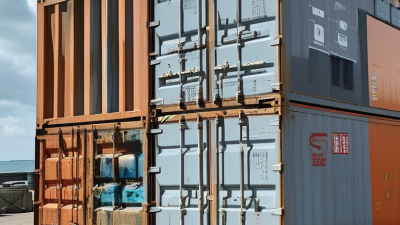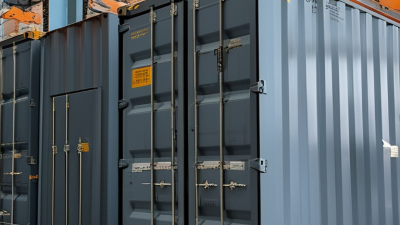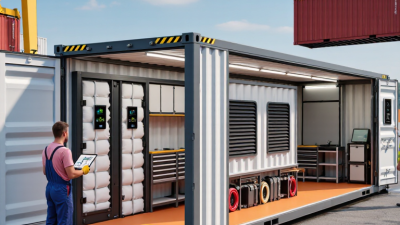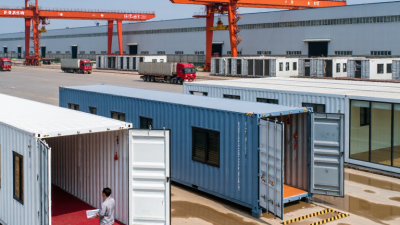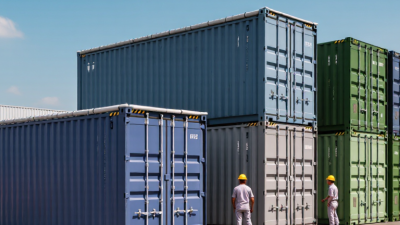
Choosing the right custom cargo containers begins with understanding the cargo, route, handling equipment, and delivery conditions. A container designed for boxed electronics may fail when used for oversized machinery or temperature-sensitive food. Dry containers offer practical protection for general freight, while refrigerated units maintain controlled temperatures during long journeys. Open-top containers suit tall cargo, and flat-rack designs support wide, heavy equipment. Each type solves a different logistics problem.
Real-world decisions depend on more than dimensions. A warehouse manager may need forklift pockets, reinforced floors, lashing rings, or side doors after watching workers load a 2.5-ton machine in limited space. Weather exposure, stacking strength, ventilation, insulation, and inspection access also influence performance. Industry specifications and certified manufacturing processes provide a dependable starting point, but project details still matter. Customization can improve safety and efficiency when engineers verify load distribution, materials, and handling procedures.
There is no universal best option.
This article examines the top types of custom cargo containers and explains where each design performs well. It also considers common trade-offs, including cost, weight, maintenance, and loading speed. Some recommendations may appear straightforward, yet practical mistakes often begin with incomplete measurements or unclear cargo data. A reliable supplier should review drawings, test requirements, and transport conditions before production. That step may feel slow. It can prevent damaged goods, delayed shipments, and expensive redesigns.
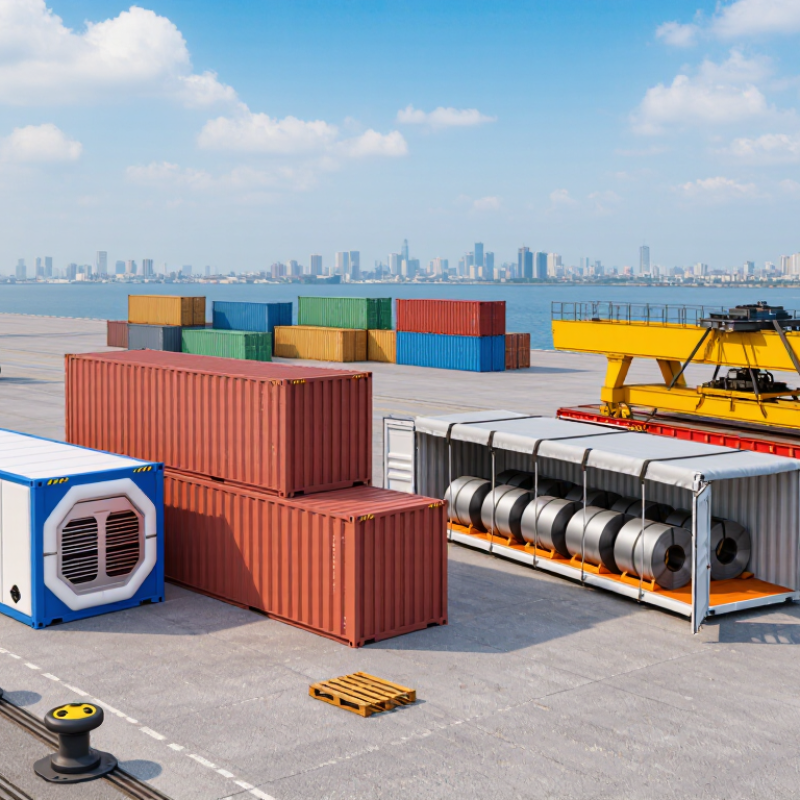
Custom cargo containers are engineered enclosures designed around a shipment’s dimensions, weight, handling method, and environment. Unlike standard boxes, they may include insulated walls, access doors, lifting pockets, ventilation, or internal restraints. In practice, classification starts with function: dry, temperature-controlled, open-top, flat-rack, liquid, or specialized equipment containers. The label alone is not enough. An engineer should check the load path, center of gravity, and tie-down points before fabrication. Small details matter.
Dry custom containers protect general freight from rain, dust, and impact. They suit machinery, spare parts, and irregular crates. Insulated or refrigerated units manage heat-sensitive cargo through panels, seals, airflow, and monitoring ports. Open-top designs allow cranes to load tall items, while flat-rack versions support wide or heavy machinery with reinforced floors and end frames. Liquid containers require compatible materials, pressure controls, and clear inspection access. Their classification depends on both cargo behavior and operating conditions.
A reliable specification should record dimensions, gross mass, lifting points, surface treatment, door swing, and expected stacking loads. I have seen projects fail when a custom container fit the cargo but not the forklift. That mistake is easy to miss. Verification should include drawings, prototype checks, weld inspections, and a trial lift under controlled conditions. Standards and local transport rules also influence the final design, so technical review should happen before production, not after a shipment is ready. Some requirements remain uncertain until the cargo is measured again.
What Are the Top Types of Custom Cargo Containers?
General freight usually needs a practical, enclosed container rather than a specialized tank or temperature-controlled unit. Custom dry cargo containers suit cartons, pallets, furniture, spare parts, and non-perishable machinery. Their steel walls protect shipments from rain, dust, and handling impacts. Common modifications include side doors, removable posts, internal tie-down rails, ramps, shelving, and reinforced floors.
The design should match the freight’s shape and handling method. A palletized load may need wider access doors and forklift pockets. Long equipment may require open-side access or removable panels. According to UNCTAD’s Review of Maritime Transport 2023, ships carry over 80% of global merchandise trade by volume. That makes standardized container dimensions valuable, even when the interior is customized. The World Bank’s 2023 Logistics Performance Index collected responses from 4,090 trade professionals across 139 countries. Its findings also highlight the importance of shipment visibility and reliable handling. A custom container should therefore support labeling, inspection, and tracking without creating weak points.
Tips: Measure the actual cargo, not just the product description. Check door clearance, floor loading, lifting points, and tie-down positions. Leave room for safe handling. A tight fit can look efficient, but it may slow loading and damage packaging. In practice, the cheapest modification is not always the best one. Review the design with a freight engineer and test a loaded prototype before wider deployment.
Specialized cargo containers are designed for loads that standard enclosed units cannot safely handle. Flat rack containers suit machinery, steel frames, and other cargo wider than a normal container. Their collapsible ends can simplify loading with cranes. Platform containers provide a strong, open base for extremely wide or heavy equipment. They demand careful weight distribution.
Open-top containers help when cargo is too tall for a fixed roof. Cranes can lower items through the open section. Reinforced flooring spreads pressure from concentrated loads, such as industrial parts with small contact points. Side-opening containers improve access to long cargo and reduce awkward handling. The right choice depends on dimensions, weight, lifting points, and the planned route.
Measure twice.
In my experience, container selection should begin with a detailed cargo survey, not a quick visual estimate. Engineers check the center of gravity, axle limits, lashing points, and clearance under bridges. Heavy cargo may require timber supports, steel frames, or certified restraints. These details reduce shifting during braking, turning, and rough handling. Still, no design is perfect. A container may fit the cargo but fail the route, crane, or loading schedule. Teams should review drawings and conduct a loading trial when the shape is unusual. Small errors become expensive quickly. Reliable planning also includes inspection records, verified weight data, and clear communication between the shipper, loader, and carrier.
Custom cargo containers must match the cargo’s actual risks, not just its dimensions. Temperature-sensitive products often need insulated, refrigerated, or passive thermal containers. Refrigerated units use active cooling, while insulated units slow temperature changes during short transfers. Passive designs may use phase-change packs around the load. They are quieter and simpler, but their protection period is limited.
Temperature control needs evidence. Place calibrated sensors near the warmest and coldest points, not only beside the door. Record readings during loading, transit, and unloading. A container can feel cold while the center of a pallet becomes unsafe. Small details matter. Leave airflow gaps, precondition the container, and avoid blocking vents with cartons. These steps sound basic, yet they are often missed when loading schedules become tight.
Lawfully transported hazardous goods require stronger protection. Custom containers may include double walls, sealed floors, spill-retention trays, ventilation, and fire-resistant insulation. The correct design depends on the material’s properties, quantity, packaging, and approved transport requirements. Secure closures and visible handling labels help reduce confusion. Still, a certified container does not make poor packaging acceptable. Inspection records, compatibility checks, and trained handling remain essential. One uncomfortable lesson is that overengineering can also create problems: extra layers may increase weight, reduce capacity, or hide leaks during inspection. A careful design review should test realistic failures, including delays, heat exposure, rough handling, and incomplete documentation.
| Custom Container Type | Primary Construction and Features | Typical Temperature Capability | Temperature-Sensitive Goods | Hazardous Goods Suitability | Best-Fit Cargo and Applications | Key Protection Advantages | Main Planning Considerations |
|---|---|---|---|---|---|---|---|
| Insulated Container | Rigid insulated panels, sealed doors, vapor barriers, and optional thermal liners. It may be configured without active refrigeration. | Usually helps reduce heat transfer, but the actual range depends on insulation thickness, ambient conditions, cargo temperature, and loading duration. | Good for short-duration control Suitable for products that must avoid rapid temperature change rather than remain at a tightly controlled set point. |
Conditionally suitable Can be adapted for compatible packaged materials, subject to the cargo’s safety data and transport regulations. |
Food ingredients, chemicals requiring moderate thermal protection, electronics, and general cargo exposed to heat or cold. | Reduces heat gain, condensation, and exposure to fluctuating ambient temperatures. | It does not actively cool or heat cargo. Use thermal mapping and time-limit validation for sensitive shipments. |
| Refrigerated Container | Insulated enclosure with a powered refrigeration unit, temperature controller, air circulation system, and monitoring options. | Common operating ranges are approximately -25°C to +25°C, depending on the equipment and configuration. Exact limits must be confirmed before loading. | Excellent for controlled temperatures Appropriate for chilled, frozen, and selected controlled-temperature cargo. |
Conditionally suitable Some hazardous materials may be transported, but compatibility, ventilation, electrical classification, and regulatory requirements must be verified. |
Perishable food, pharmaceuticals, biological materials, temperature-sensitive chemicals, and laboratory products. | Active temperature control, air circulation, data logging, and optional alarms for temperature excursions. | Requires a dependable power supply, pre-cooling, correct airflow around cartons, and contingency planning for power interruption. |
| Heated Container | Insulated structure with electric or hot-water heating elements, thermostatic control, and optional temperature monitoring. | Often configured for above-freezing or warm storage; the validated range depends on heater capacity, insulation, and ambient temperature. | Excellent for freeze protection Useful where cargo must remain above a minimum temperature or retain a controlled viscosity. |
Conditionally suitable Heating systems must be assessed for flammability, ignition risk, ventilation, and the specific hazardous classification. |
Resins, oils, coatings, liquid chemicals, food products, and materials that solidify or become unusable when chilled. | Prevents freezing, crystallization, excessive viscosity, and cold-related product damage. | Confirm maximum allowable cargo temperature, heater redundancy, electrical safety, and emergency shutdown procedures. |
| Active Temperature-Controlled Container | Custom insulated enclosure combining heating, cooling, sensors, controls, alarms, and remote monitoring. | Designed around a validated set point or range; many systems support both heating and cooling, but the practical range varies by design. | Excellent for high-value sensitive cargo Supports tighter control when the product requires documented conditions throughout transit. |
Conditionally suitable Hazardous cargo requires a documented risk assessment and equipment designed for the applicable transport environment. |
Clinical materials, specialty chemicals, high-value electronics, biological products, and regulated temperature-sensitive goods. | Continuous monitoring, alerts, alarm history, controlled airflow, and improved visibility during long-distance transport. | Requires calibration, battery or power management, sensor placement, qualified operating procedures, and validated loading patterns. |
| Dry Bulk Container | Sealed bulk container with a liner, filling and discharge ports, and reinforced structural components. | Normally provides environmental containment rather than active temperature control. | Limited Suitable only when the bulk product tolerates ambient conditions or is protected by separate thermal measures. |
Conditionally suitable May handle certain powders or granules when the liner, container, and handling method are approved for the material. |
Dry powders, granules, food ingredients, minerals, and non-liquid industrial materials. | Reduces contamination, spillage, moisture ingress, and manual handling compared with loose bulk transport. | Check dust hazards, static control, liner compatibility, filling limits, discharge equipment, and cleaning requirements. |
| Liquid Tank Container | Pressure-rated tank mounted in a protective frame, with valves, fittings, grounding provisions, and optional insulation or heating. | Ambient versions provide no active control; insulated or heated models can maintain a defined range when correctly operated. | Good with thermal options Suitable for liquids requiring insulation, heating, or controlled transfer conditions. |
Excellent for approved liquid hazards Commonly selected for regulated liquids when the tank specification, fittings, and route comply with applicable rules. |
Food-grade liquids, fuels, solvents, corrosive liquids, liquefied materials, and industrial process chemicals. | Strong containment, reduced packaging waste, efficient transfer, and protection from impact through the external frame. | Verify tank material, pressure rating, residual contents, valve protection, filling ratio, grounding, and applicable multimodal regulations. |
| Ventilated Container | Enclosure with designed airflow paths, vents, screens, and sometimes powered extraction or gas monitoring. | Provides air exchange rather than precise temperature control. Interior temperature generally follows ambient conditions with some moderation. | Limited Not intended for strict temperature control unless combined with insulation or active conditioning. |
Excellent for compatible vapor-risk cargo Can help control vapor accumulation when the ventilation design is suitable for the material. |
Goods that release vapors or gases, selected chemicals, batteries, and cargo requiring continuous air exchange. | Reduces vapor buildup, heat accumulation, odor concentration, and moisture condensation. | Ventilation must not create an ignition hazard or spread contamination. Forced ventilation may require approved electrical equipment. |
| Fire-Resistant or Safety Container | Fire-resistant panels, protected access points, spill-retention features, grounding, and optional fire or gas detection. | Designed to delay heat transfer or protect contents during a defined exposure period; it is not normally a refrigerated container. | Limited for temperature control Protects against external heat for a specified period but does not maintain a product set point indefinitely. |
Excellent for selected hazardous cargo Useful for compatible flammable, reactive, or toxic materials when the design is certified or approved for the intended use. |
Flammable liquids, reactive materials, regulated chemicals, emergency storage, and high-risk industrial components. | Improves segregation, spill containment, fire resistance, and protection against unauthorized access. | Confirm fire rating, ventilation method, incompatibility groups, spill capacity, separation distances, inspections, and local approvals. |
| Modified Atmosphere Container | Sealed or semi-sealed container with controlled gas composition, sensors, valves, and optional humidity management. | Usually works alongside refrigeration or insulation; atmosphere control does not replace temperature control. | Excellent for selected perishables Can slow respiration and quality loss when temperature, humidity, and gas levels are properly managed. |
Generally limited Gas-control systems may be unsuitable for hazardous cargo unless specifically engineered and approved. |
Fresh produce, flowers, selected food products, and other biological cargo affected by oxygen or carbon dioxide levels. | Helps extend shelf life, reduce oxidation, and manage ripening during extended transport. | Requires compatible product biology, airtightness testing, gas monitoring, trained operators, and safe ventilation before entry. |
| Flat-Rack or Open-Top Custom Container | Reinforced base, collapsible or fixed end walls, lashing points, and removable top or side sections for oversized cargo. | No inherent temperature control or weather-tight protection unless a custom cover or insulated enclosure is added. | Limited Suitable only for robust cargo or when a separate validated thermal package is used. |
Conditionally suitable Can transport certain approved hazardous equipment or packaged goods when secured and protected from exposure. |
Heavy machinery, transformers, industrial modules, vehicles, pipes, and oversized project cargo. | High payload flexibility, wide loading access, and strong securing capability for irregular dimensions. | Weather exposure, center-of-gravity, lashing calculations, route clearances, lifting points, and cargo overhang must be assessed. |
Choosing the right custom cargo container starts with the cargo, not the catalogue. A standard dry container suits boxed goods and machinery. An open-top model helps with tall equipment. Flat racks support oversized, heavy loads. Refrigerated containers protect temperature-sensitive products. Tank containers serve approved liquid cargo and require strict technical controls.
UNCTAD’s Review of Maritime Transport 2024 states that shipping carries over 80% of global merchandise trade by volume. That scale makes small design errors expensive. Businesses should measure cargo length, width, height, weight, loading angle, and lifting points. They should also check route restrictions, port equipment, ventilation needs, insulation, and corrosion exposure. The World Bank’s Logistics Performance Index 2023 highlights customs, tracking, infrastructure, and delivery timeliness as major logistics factors. A container that loads easily may still fail at the destination.
Tips: Request a written load plan. Confirm door clearance with the actual pallet size. Ask whether cranes, forklifts, or ramps will handle the unit. Calculate total cost, including fabrication, testing, transport, storage, and return movement. Do not choose extra strength without evidence; added steel can reduce payload and raise freight costs. I have seen specifications change after one site visit. That is not failure. It is useful feedback. A perfect container rarely exists, so businesses should document trade-offs and review the design after its first shipment.
Representative nominal internal volume is shown in cubic meters. General-purpose containers suit most dry cargo, refrigerated containers are designed for temperature-sensitive goods, and open-top containers are useful for tall or crane-loaded cargo. Actual capacity varies by container design, insulation, doors, and permitted payload.