2026 Top Custom Built Shipping Containers for Global Buyers

Global buyers are entering 2026 with higher expectations for custom built shipping containers. They want more than a steel box. They need reliable storage, secure transport, and practical workspace solutions.

Marc Levinson, author of The Box, said, “The container made shipping cheap.” His observation remains relevant, but modern projects demand more careful planning. A container may require insulated walls, reinforced doors, ventilation, electrical systems, or climate control. Each feature affects weight, cost, maintenance, and delivery schedules.

Small details matter. A coastal buyer may need corrosion-resistant coatings. A cold-region operator may require insulated flooring and thermal breaks. A construction company might prioritize forklift pockets, lifting points, and wide access doors. These choices should match the intended use, not simply follow a popular specification.

Fit matters most.

This guide examines the 2026 custom built shipping containers selected for global buyers. It considers material quality, fabrication accuracy, safety documentation, customization flexibility, and long-term service support. The discussion also recognizes an uncomfortable reality: the cheapest quote is rarely the cheapest complete solution. Poor drainage, weak hinges, or unclear certification can create expensive problems later.

Some designs will look impressive but perform poorly in harsh conditions. Others may appear plain while offering better durability. Buyers should question advertised claims, request drawings, and confirm applicable transport requirements before ordering. No single container suits every market, climate, or business model. Careful comparison remains essential.
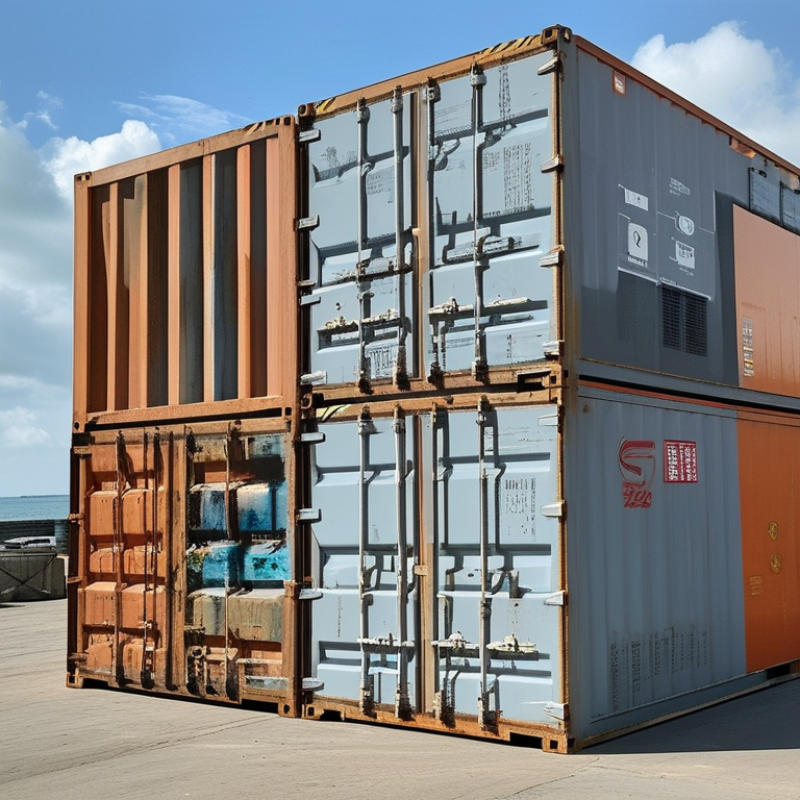
2026 Top Custom Built Shipping Containers for Global Buyers

What Are Custom-Built Shipping Containers?

2026 Top Custom Built Shipping Containers for Global Buyers

What Are Custom-Built Shipping Containers?

Custom-built shipping containers are engineered units adapted from standard ISO container dimensions. ISO 668 defines common external sizes, including 20-foot and 40-foot formats. Their internal layout can change significantly. Buyers may request personnel doors, wider cargo access, ventilation, insulation, lighting, shelving, or reinforced flooring.

These containers serve construction, storage, mobile workshops, laboratories, and controlled equipment spaces. A maritime shipment needs more than attractive fabrication. The unit should match its payload, lifting points, center of gravity, and corrosion exposure. The Container Safety Convention requires eligible containers to pass inspection and carry a valid safety approval plate. Not every modified unit qualifies for international sea transport.

UNCTAD’s Review of Maritime Transport 2024 recorded about 858 million twenty-foot equivalent units handled by container ports in 2023. That scale shows why predictable dimensions and verified handling points matter. Yet customization can reduce usable volume. This is an easy detail to underestimate. A thicker insulated wall may improve temperature stability but narrow the working space.

Tips: Confirm the container’s intended route before design approval. Ask for structural drawings, material specifications, payload calculations, and inspection evidence. Specify whether the unit needs sea transport certification or only local placement. Request corrosion protection suited to salt air, rain, and repeated handling. Check door clearances with the actual equipment. Small omissions become expensive revisions.

Key Design Options for Global Buyers

2026 Top Custom Built Shipping Containers for Global Buyers

Key Design Options for Global Buyers

Global buyers rarely need a standard container for every project. Cargo type, climate, site access, and local regulations should shape the design. A refrigerated unit may need thicker insulation, protected wiring, and controlled airflow. A workshop may require reinforced floors, ventilation, lighting, and wider access doors.

Material selection matters. Weather-resistant steel helps reduce corrosion near coastal sites. Marine-grade coatings can improve durability, but surface preparation remains critical. Engineers should verify lifting points, corner structures, payload limits, and door loads. Small design errors can create expensive delays.

Think beyond the first delivery. A container crossing several regions may face heat, freezing temperatures, salt air, or rough handling. Insulation thickness should match the operating environment, not a generic specification. Electrical systems should follow the destination’s voltage and safety requirements. Documentation should include material records, structural calculations, coating details, and inspection results.

I have seen projects focus heavily on appearance and overlook drainage. Water later collected around door thresholds. The repair was avoidable. Another common mistake is adding windows without considering security, thermal performance, and replacement access. Sometimes, the most practical option looks less impressive. Discussing these compromises early helps buyers balance cost, service life, and real operating conditions. Local engineers should review final drawings before production.

2026 Top Custom Built Shipping Containers for Global Buyers - Key Design Options for Global Buyers

Container Configuration Typical External Dimensions Approximate Internal Space Standard Door Arrangement Typical Payload Planning Range Main Custom Design Options Recommended Applications Global Purchasing Considerations
20-Foot General-Purpose Container 6,058 × 2,438 × 2,591 mm
20 × 8 × 8 ft 6 in
Approx. 5,900 × 2,350 × 2,390 mm
Approx. 33 m³ internal volume
One short-end door
Typical clear opening: about 2,340 × 2,280 mm
Approximately 25–28 metric tonnes Personnel doors, windows, ventilation, shelving, electrical distribution, lifting points, internal partitions and corrosion-protection coatings Compact storage, workshops, site offices, equipment rooms and small modular buildings Confirm maximum gross mass, corner-casting requirements, floor loading and local transport limits before fabrication
40-Foot General-Purpose Container 12,192 × 2,438 × 2,591 mm
40 × 8 × 8 ft 6 in
Approx. 12,030 × 2,350 × 2,390 mm
Approx. 67 m³ internal volume
One short-end door
Optional additional end or side access
Approximately 25–28 metric tonnes Multiple access doors, internal racking, lighting, cable routes, partition walls, reinforced floor zones and customized external finishes Large-volume storage, industrial equipment, retail fit-outs, workshops and accommodation modules Check inland road length restrictions, crane capacity, turning radius and destination-port handling procedures
40-Foot High-Cube Container 12,192 × 2,438 × 2,896 mm
40 × 8 × 9 ft 6 in
Approx. 12,030 × 2,350 × 2,695 mm
Approx. 76 m³ internal volume
One short-end door
Optional double doors or side doors
Approximately 25–28 metric tonnes Extra headroom, mezzanine-compatible layouts, overhead services, insulation, lighting systems and taller equipment access High-volume cargo, tall machinery, modular offices, retail units and conversion projects requiring additional internal height Verify route clearance, bridge height, tunnel limits and handling compatibility because the height is greater than a standard container
Open-Side Container Usually based on 20-foot or 40-foot ISO dimensions Internal dimensions depend on door frames and reinforcement Full-length side opening, often combined with standard end doors Subject to reinforcement and door hardware design Bi-fold or multi-leaf side doors, removable center posts, weather seals, locking bars, ramps and reinforced side beams Wide machinery, palletized goods, exhibition structures, agricultural equipment and frequent forklift loading Side openings can reduce usable payload or internal width; inspect seals, locking points and structural certification
Open-Top Container Usually based on 20-foot or 40-foot ISO dimensions Internal volume varies with top-frame design and cargo height Standard end doors with removable roof bows and a flexible or hard removable top Often approximately 26–28 metric tonnes, subject to design Removable steel roof, tarpaulin cover, lifting lugs, high-strength floor, lashing rings and top-loading provisions Bulk cargo, tall machinery, timber, stone, scrap metal and cargo loaded by crane or grab equipment Top-loaded cargo may require special handling, weather protection and route planning; maintain certified lifting and lashing points
Insulated or Temperature-Moderated Container Commonly based on 20-foot or 40-foot external dimensions Reduced internal width and height because of insulated wall, roof and floor panels Insulated rear door with compression seals; optional personnel door Depends on insulation, equipment and cargo distribution Polyurethane or equivalent insulated panels, vapor barriers, washable lining, HVAC system, temperature sensors, drains and data logging Food products, pharmaceuticals, electronics, laboratories and climate-sensitive equipment Specify required temperature range, humidity control, power supply, electrical frequency, backup power and local energy regulations
Refrigerated Container Commonly 20-foot or 40-foot ISO refrigerated dimensions Typically smaller than a dry container because of insulated panels and refrigeration machinery Insulated rear doors with heavy-duty gaskets and locking hardware Often approximately 25–29 metric tonnes, depending on unit specification Active refrigeration, remote temperature monitoring, data logging, airflow channels, non-slip floor, alarms and emergency release features Frozen food, chilled products, pharmaceuticals, biological materials and temperature-controlled logistics Confirm power availability, plug type, voltage, frequency, set-point range, service support and destination-country electrical requirements
Custom Modular Conversion Container Typically 20-foot or 40-foot ISO footprint Final internal space depends on insulation, partitions, equipment and furniture Configured with personnel doors, emergency exits, double doors or glazed access systems Must be calculated from the finished design and equipment load Structural openings, windows, plumbing, bathrooms, kitchens, solar systems, fire protection, air conditioning, acoustic insulation and accessibility features Offices, accommodation, security cabins, classrooms, clinics, workshops and remote-site facilities Obtain structural drawings, electrical diagrams, fire-safety documentation and local building approvals before overseas shipment and installation
Offshore or Heavy-Duty Custom Container Commonly designed around ISO or offshore module footprints Determined by equipment layout, structural reinforcement and access requirements Heavy-duty doors, personnel access and emergency egress as required Engineering-specific; calculated from certified structural design Reinforced frames, certified lifting sets, forklift pockets, tie-down points, fire-rated construction, anti-corrosion systems and impact protection Energy projects, mining, marine operations, construction sites and severe-weather environments Require third-party inspection, lifting certification, corrosion specifications, wind-load calculations and destination-site safety compliance

Dimensions are representative ISO-based planning figures. Final dimensions, payload, floor loading, door clearances and certification depend on the selected construction method, fittings, insulation, equipment and destination-country regulations. For international sea transport, verify the required CSC safety approval and the container’s maximum gross mass before shipment.

Materials, Safety Standards, and Weather Protection

For global buyers, a custom-built shipping container should begin with its operating environment, not its paint color. I have found that material choices often decide service life before fabrication starts. Weathering steel can resist surface corrosion in suitable conditions, while galvanized components protect doors, vents, and fittings. Marine-grade plywood or sealed composite flooring handles moisture better than untreated boards. Small details matter. A raised floor and continuous welds can reduce water entry during heavy rain.

Safety depends on documented engineering, controlled fabrication, and inspections at several stages. Ask for steel grades, weld procedures, load calculations, and test records before approving production. Corner posts, lifting points, locking bars, and door hinges need special attention because they carry repeated forces. For transport use, verify applicable international container safety requirements and request certificates from an independent inspector. Local installation rules still matter. A unit that passes factory checks can fail if its foundation is uneven or drainage is poor.

For harsh climates, specify roof coatings, insulated wall panels, sealed seams, and corrosion-resistant fasteners. In cold regions, insulation without controlled ventilation may trap condensation inside the walls. In hot, humid regions, reflective roofing and screened vents can reduce heat and mold risks. I would not promise “maintenance-free” performance; every container needs periodic checks for rust, leaks, door alignment, and damaged seals. Photographs, inspection reports, and clear delivery specifications make international purchasing more reliable. Yet assumptions remain risky. Ask questions early, especially when weather exposure and intended use are uncertain.

Manufacturing, Inspection, and International Shipping

Custom-built shipping containers require disciplined manufacturing, not attractive drawings alone. Steel grades, wall thickness, weld continuity, floor loading, door alignment, and corrosion protection should match the intended route and cargo. Factory inspectors should record measurements, coating thickness, weld results, and water-tightness tests. Small gaps around a door can become serious damage after months at sea. Details matter.

UNCTAD’s Review of Maritime Transport 2024 states that maritime transport carries over 80% of world trade by volume. That scale makes documentation and inspection essential. Each unit should receive dimensional checks, lifting-point verification, and a final review against applicable ISO requirements. A CSC safety plate may also be required for international sea transport, depending on the container’s use and route. Photographs, serial records, and signed inspection reports improve traceability.

International shipping planning must include verified weights, cargo securing, customs documents, port restrictions, and delivery conditions. The World Bank’s Logistics Performance Index 2023 used 4,090 assessments across 139 economies, showing how customs, infrastructure, tracking, and timeliness affect supply chains. Paperwork travels too. A practical weakness remains: even a perfect checklist may miss poor communication between the factory, forwarder, and consignee. Clear drawings and pre-shipment approval reduce that risk, but they cannot replace careful human review.

How to Select the Right Container for Your Project

Choosing a custom-built shipping container starts with the project, not the steel box. Define whether it will transport cargo, store equipment, or become a workspace. Measure the largest item, then add clearance for handling and airflow. A 20-foot unit may suit dense cargo, while a 40-foot unit offers more floor length. Bigger is not always better. Empty space can increase transport and handling costs.

Check payload, floor strength, door position, and loading equipment before requesting a quotation. Forklift pockets, side doors, ramps, and internal lashing points can prevent daily frustration. For hot, humid, or coastal routes, specify insulation, ventilation, corrosion protection, and suitable drainage. Ask for steel grade, coating details, weld inspection records, and dimensional tolerances. Request drawings before fabrication. Small changes become expensive after cutting begins.

Global buyers should confirm external dimensions, corner fittings, lifting points, and documentation with their freight provider. Local road limits and port procedures may affect the practical choice. A pre-shipment inspection should check door seals, locks, flooring, welds, and visible distortion. Photograph the empty unit, including the roof and underside. This sounds excessive. It is not. One recurring mistake is choosing accessories from a catalogue without testing the actual loading route. A narrow gate or low crane can defeat an otherwise excellent design. Reliable suppliers should explain limitations, not only promise customization.

2026 Top Custom Built Shipping Containers for Global Buyers

How to Select the Right Container for Your Project

How to Use This Comparison

A 20-foot container is suitable for compact sites, smaller cargo volumes, and projects with limited access. A 40-foot container provides approximately twice the internal volume, while a 40-foot high-cube container adds extra vertical clearance for bulky equipment, modular rooms, and custom installations. Actual usable capacity depends on insulation, doors, partitions, electrical systems, and other project-specific modifications.

Values shown are typical nominal specifications for ISO dry freight containers; dimensions and payload ratings may vary by manufacturer and certification.