China has become a major manufacturing base for modular steel products, including custom built containers. However, choosing the right supplier requires more than comparing prices. UNCTAD’s Review of Maritime Transport highlights the continuing importance of containerized shipping in global trade. This demand also supports growth in specialized storage, construction, energy, and industrial projects.
A reliable supplier should understand ISO 668 dimensions, ISO 1496 performance requirements, and applicable container safety obligations. Experience matters at the factory floor. Inspect the welding seams, corner castings, door gaskets, floor treatment, and coating thickness. A container may look strong under bright showroom lights. Real quality appears during lifting, stacking, transport, and repeated opening. Detailed drawings, material certificates, load calculations, and inspection records provide stronger evidence than attractive brochures.
Reports from Grand View Research and other market analysts indicate continued demand for modular and customized container solutions. Yet market forecasts are not purchase guarantees. Requirements differ by climate, cargo, installation method, and local regulations. A coastal project may need enhanced corrosion protection. A construction site may require reinforced floors, ventilation, cable entries, or fire-rated components. The best China supplier communicates these details early and documents every change. Not every low-cost quotation is a saving. Sometimes, it is a future repair bill. This article examines supplier experience, engineering capability, manufacturing control, certifications, and after-sales support. It also considers an uncomfortable question: can a supplier deliver the same quality after the first successful order? Reliability must be measured over time, not promised in one meeting.
What Are Custom Built Containers?
Custom built containers are engineered cargo units adjusted for a specific load, site, or operating condition. They may include reinforced floors, side doors, ventilation panels, lifting points, insulation, or internal partitions. Standard dimensions still matter. ISO 668 defines common container dimensions and ratings, helping equipment move safely between trucks, railways, and ships.
The need is substantial. UNCTAD’s Review of Maritime Transport 2023 reported approximately 858 million TEUs handled by container ports in 2022. That volume shows why dependable compatibility cannot be treated as a minor detail. A custom unit should begin with the cargo’s weight, center of gravity, loading method, and exposure to moisture or temperature changes. A 20-foot unit with a strengthened floor may suit machinery, while a ventilated design may better protect agricultural materials.
In practical inspections, small design choices often cause the largest problems. Door clearance can affect forklifts. Drainage can prevent hidden corrosion. Lashing points need verified load ratings, not optimistic estimates. A custom container is not automatically a better container. Poor drawings, unclear steel grades, or missing inspection records can create expensive delays. This is where a qualified supplier should provide structural calculations, material certificates, dimensional drawings, and factory inspection evidence. The International Convention for Safe Containers also requires applicable safety approval and periodic examination. Specifications should be reviewed twice. Mistakes remain possible.
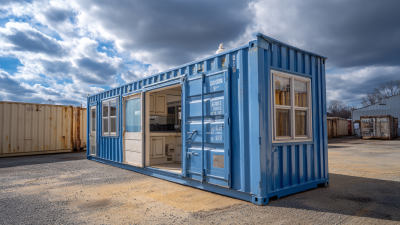
China’s custom container market covers far more than standard dry boxes. Buyers can order storage units with reinforced floors, extra doors, ventilation, or internal partitions. These changes suit workshops, construction sites, mobile offices, and equipment shelters.
Refrigerated containers maintain controlled temperatures for approved food, laboratory, or pharmaceutical applications. Insulated containers are simpler and often more economical when active cooling is unnecessary.
Open-top models support tall machinery, while flat racks handle wide or heavy cargo. Side-opening designs improve access when forklifts cannot reach the rear.
Tank containers are also available for regulated, non-hazardous liquids, subject to suitable certification and transport rules.
Customization begins with the cargo, not the paint color. A qualified Chinese supplier should review dimensions, weight distribution, lifting points, floor loading, corrosion exposure, and electrical requirements. Request steel specifications, insulation thickness, welding procedures, coating details, and inspection records. A factory sample or pre-shipment inspection can reveal door misalignment, weak seals, or poor drainage. Details decide. Field experience shows attractive layouts can fail when service access is ignored. Some buyers request too many modifications, increasing weight, cost, and maintenance risk. A practical design leaves room for cleaning and future repairs. Reliable suppliers explain these compromises clearly.
Custom built containers begin with a practical design brief, not a decorative sketch. Engineers define cargo dimensions, payload, center of gravity, lifting points, ventilation, insulation, and access requirements. ISO 668 sets standard external dimensions, while ISO 1496 covers strength and testing expectations. These details matter when a container faces crane handling, road vibration, and uneven ground.
The design usually moves from measured site data to 3D CAD drawings. Steel sections are cut, formed, and welded in controlled fixtures. Workers then inspect welds, check diagonals, and prepare surfaces before applying protective coatings. Doors need accurate alignment. Floors need verified loading capacity. Small errors become expensive later.
UNCTAD’s Review of Maritime Transport 2023 recorded global container ship capacity above 26 million TEU, showing the scale of equipment moving through ports. Custom units must fit existing handling systems, even when their interiors differ. Factory acceptance tests may include dimensional checks, leak testing, load verification, and lifting simulations. Independent inspection adds useful evidence.
Yet, design assumptions can fail. A customer may underestimate condensation, forklift clearance, or local temperature changes. Experienced suppliers should challenge those assumptions before fabrication. Drawings, material certificates, welding records, and inspection photographs improve traceability. A reliable manufacturer also explains what the container cannot safely do.
China Best Custom Built Containers Supplier?
What Standards Should Chinese Container Suppliers Meet?
Chinese custom-built container suppliers should meet documented safety and manufacturing standards, not only offer low prices. Their designs should reference ISO 668 for dimensions and ISO 1161 for corner fittings when applicable. Welding procedures need qualified personnel, controlled heat input, and visible inspection records. Steel grades, thicknesses, floor loads, door hardware, and coating systems should appear in approved drawings. A serious supplier explains when a standard does not fit the project.
For transportable units, request valid CSC-related certification where required by the intended route and use. Ask for serial-number traceability, material certificates, load-test results, and independent inspection options. Electrical, fire, lifting, and insulation details should follow the destination’s current regulations. Photographs help, but they cannot replace measurements. Check corner dimensions, diagonal accuracy, door gaps, weld continuity, and drainage during factory inspection.
Custom work often fails in small details. A drain placed too low can collect mud. A thin coating may blister after one wet season. These issues deserve written acceptance criteria before production. Suppliers should provide a sample unit or fabrication mock-up for unusual designs. Be cautious with perfect promises. Even a capable factory can miss a drawing revision or misunderstand site conditions. Clear communication, staged inspections, and corrective records create stronger evidence than polished marketing claims.
| Evaluation Area | Applicable Standard or Regulation | Verified Technical Requirement | Recommended Supplier Evidence | Acceptance Benchmark |
|---|---|---|---|---|
| Container classification and dimensions | ISO 668 | The design should use internationally recognized freight-container series dimensions. Common external reference dimensions include approximately 6,058 mm in length for a 20-foot container and 12,192 mm in length for a 40-foot container. Standard external width is approximately 2,438 mm. | Approved general arrangement drawing, dimensional inspection report, and tolerance records for length, width, height, and corner-post locations. | All principal dimensions and handling interfaces comply with the approved design and applicable ISO dimensional requirements. |
| High-cube configuration | ISO 668 | A typical 40-foot high-cube container has an external height of approximately 2,896 mm, compared with approximately 2,591 mm for a standard-height container. Internal dimensions vary according to wall, floor, door, and insulation design. | Certified dimensional drawings, internal volume calculation, and finished-product measurement report. | External height, internal clearance, and transport-envelope dimensions match the approved specification without reducing required door or cargo clearance. |
| Structural strength and stacking | ISO 1496-1 | General-purpose freight containers must be designed and tested for the specified lifting, stacking, racking, floor, wall, roof, and end-wall loads. The required load values depend on the container rating and approved design. | Structural calculations, material certificates, weld inspection records, and prototype or production test reports. | The completed unit passes the applicable ISO strength tests or an equivalent accredited certification procedure with no unacceptable permanent deformation, cracking, or loss of function. |
| Corner fittings and handling interfaces | ISO 1161 | Top and bottom corner fittings must provide standardized interfaces for twistlocks, lifting equipment, stacking, and lashing. Their geometry, strength, and positioning must match the approved container design. | Corner-fitting material certificates, dimensional inspection records, and lifting or stacking test documentation. | Twistlock engagement is complete and secure; corner-fittings meet the specified dimensions, load requirements, and positional tolerances. |
| International safety approval | International Convention for Safe Containers, 1972 (CSC) | A container intended for international transport normally requires a valid CSC safety approval plate before it is used in international intermodal service. | CSC approval documentation, safety approval plate details, inspection records, and identification information matching the physical container. | The container has valid safety approval for its intended service and displays consistent identification, maximum gross mass, allowable stacking load, and test information. |
| Periodic examination and maintenance | CSC examination requirements | Containers must be examined under an approved examination arrangement. Periodic examination is generally required at intervals not exceeding 30 months unless the container is covered by an accepted continuous examination program. | Examination history, repair records, inspection checklist, and evidence of the applicable examination program. | No overdue examination, significant structural damage, unsafe corrosion, defective doors, or compromised lifting components. |
| Container identification and coding | ISO 6346 | International freight containers require a standardized identification code, including an owner or operator code, equipment category identifier, serial number, and check digit. The code must correspond to the physical unit and documentation. | Identification-code register, check-digit calculation, nameplate photographs, and production traceability records. | The identification code is unique, legible, permanently marked, mathematically valid, and consistent across the container, drawings, certificates, and shipping documents. |
| Terminology and rating information | ISO 830 | Technical documents should use consistent terminology for tare mass, maximum gross mass, payload, internal volume, corner fittings, doors, flooring, and other container components. | Product data sheet, nameplate layout, user manual, and inspection form using consistent definitions and units. | All mass, dimensional, and capacity values are clearly stated, use consistent units, and agree with the approved design and nameplate. |
| Doors, locking bars, and weather resistance | Approved design specification and ISO freight-container practice | Doors must open and close correctly, engage the locking system fully, and protect cargo from normal wind-driven rain when properly maintained. Gaskets, hinges, locking bars, and door retainers must be securely fitted. | Door-operation checklist, water-ingress test record, gasket inspection report, and photographic quality records. | Doors operate without binding, locking bars fully engage, seals are continuous, and no unacceptable water ingress is found during inspection. |
| Floor loading and floor materials | ISO 1496-1 and approved cargo-use specification | The floor system must support the intended cargo and handling loads. Timber, engineered wood, steel, or composite flooring must be specified with its thickness, treatment, fastening method, and allowable load. | Flooring material certificates, treatment records where applicable, fastener inspection, floor-load test results, and repair instructions. | Floor construction matches the approved design, is free from unsafe damage or contamination, and meets the specified load requirement. |
| Corrosion protection and coating system | Project coating specification and corrosion-control requirements | The supplier should define steel surface preparation, primer, intermediate coating, topcoat, dry-film thickness, curing conditions, and repair procedures. The required coating system depends on the service environment and expected operating life. | Coating technical data sheets, surface-preparation records, dry-film-thickness readings, adhesion or holiday-test records where specified, and batch traceability. | Surface preparation and coating thickness meet the approved specification, with no exposed steel, significant runs, blistering, pinholes, or unapproved repairs. |
| Welding quality and traceability | Approved welding procedure and applicable structural welding requirements | Structural welds should be produced using qualified procedures and competent personnel. Inspection requirements may include visual inspection and, where risk or design requires, non-destructive testing. | Welding procedure specifications, welder qualifications, weld maps, inspection reports, repair logs, and material heat-number traceability. | Welds are continuous where required, free of unacceptable cracks and defects, and inspected in accordance with the approved quality plan. |
| Dangerous-goods capability | IMDG Code, when applicable | Containers used for sea transport of dangerous goods must support the applicable cargo, marking, securing, segregation, and documentation requirements. The container itself does not replace the shipper's legal responsibility for correct dangerous-goods declaration and packaging. | Dangerous-goods compatibility statement, cargo-securing design, relevant test documents, and instructions for markings and placards. | The proposed configuration is suitable for the stated dangerous-goods service and does not conflict with applicable maritime transport requirements. |
| Electrical safety for modified containers | Applicable national electrical regulations and project specification | Containers fitted with lighting, HVAC, sockets, batteries, control panels, or other electrical systems require protective earthing, suitable enclosures, circuit protection, cable management, and testing appropriate to the installation. | Electrical schematics, component certificates, insulation-resistance test, earth- continuity test, residual-current protection test, and commissioning report. | The electrical installation passes the specified tests and is suitable for the destination voltage, frequency, climate, and intended operating environment. |
| Customization control | Contract-specific approved design | Cut-outs, windows, doors, partitions, refrigeration equipment, sanitary systems, office fittings, and other modifications must not compromise corner fittings, primary load paths, weather resistance, or required certification. | Revision-controlled drawings, structural review, change-control log, prototype approval, and final inspection report. | Every modification is documented, inspected, and accepted before delivery; any change affecting CSC or transport use is reviewed by the appropriate approval body. |
| Factory quality management | ISO 9001-based quality management practices | A capable supplier should maintain controlled purchasing, incoming inspection, production records, calibration, nonconformance handling, corrective action, and final-release procedures. | Quality manual, process-control plan, inspection and test plan, calibration records, nonconformance reports, corrective-action records, and final-release checklist. | Records are complete and traceable from raw materials through fabrication, inspection, testing, packing, and shipment. |
Note: Exact payload, tare mass, test loads, coating thickness, electrical ratings, and customization requirements must be confirmed in the project drawings, purchase contract, destination-country regulations, and applicable certification documents.
How Can Buyers Select the Best Custom Container Supplier?
Choosing a custom container supplier requires more than comparing quotations. UNCTAD reports that over 80% of global merchandise trade moves by sea. A weak container design can therefore create delays, cargo damage, or higher handling costs. Buyers should inspect steel grades, welding quality, floor loading, door seals, ventilation, and paint systems. Ask for material certificates, inspection records, and production photos. A reliable supplier should explain how each specification supports your actual cargo and operating environment.
Compliance is equally important. Check whether the design follows relevant ISO 668 and ISO 1496 requirements. For containers used in international transport, verify applicable CSC certification before production. The World Bank’s 2023 Logistics Performance Index highlights tracking, timeliness, and shipment reliability as key logistics measures. Suppliers should provide clear drawings, revision control, quality checkpoints, and a realistic delivery schedule. Do not trust attractive samples alone. One overlooked drainage detail can become a serious problem after months outdoors.
Tips: Request a prototype or pre-shipment inspection. Confirm payload, dimensions, stacking needs, and destination rules in writing. Compare total ownership cost, not only the factory price. Ask how defects are handled and how quickly replacement parts are available. I have found that communication quality often predicts production quality, although it is not a perfect test. Leave room for technical review; buyers sometimes approve drawings too quickly.