What Are the 2026 Best Custom Made Containers?

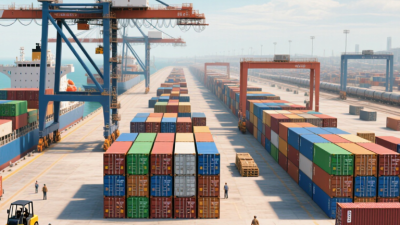
Choosing the 2026 best custom made containers requires more than comparing prices or exterior finishes. Shipping networks are under pressure, while buyers expect safer, lighter, and more traceable storage solutions. According to UNCTAD’s Review of Maritime Transport 2024, maritime shipping carries over 80% of global merchandise trade by volume. That scale makes container design a practical business decision, not a visual exercise.

The strongest options will balance payload, dimensions, material strength, stacking performance, and repeated handling. ISO 668 remains an important reference for freight container dimensions and compatibility. The World Bank’s Logistics Performance Index 2023 also shows why reliability matters across customs, infrastructure, tracking, and delivery timelines. A container may look excellent in a warehouse, then fail when exposed to salt air, forklifts, vibration, or sudden temperature changes.

Material choices deserve equal attention. Smithers’ Future of Sustainable Packaging to 2028 highlights growing pressure for recyclable materials, lower material use, and better packaging recovery. Yet sustainability claims can become vague. That assumption needs testing. A reusable steel container may outperform a lightweight alternative over many trips, but only when return logistics are practical. The best custom made containers for 2026 should therefore match real operating conditions, product protection needs, and documented lifecycle goals. They should also support inspection records, secure closures, repair access, and clear labeling. No container wins every test. The right choice depends on evidence, not marketing language.

What Are the 2026 Best Custom Made Containers?

What Defines a Custom-Made Container in 2026?

In 2026, a custom-made container is more than a box with printed dimensions. It is engineered around a product, handling process, storage environment, and user expectation. That definition matters. A container may need a precise internal fit, reinforced corners, moisture resistance, temperature control, or a closure workers can operate with gloves. Experienced development teams begin with measurements, drop risks, stacking loads, and real delivery routes. A beautiful prototype can still fail in a humid warehouse.

Materials now form part of the design brief. Recycled content, fiber-based structures, reusable polymers, and lightweight metals may reduce waste, but each option requires evidence. Designers should verify barrier performance, cleaning needs, lifespan, and end-of-use handling. Digital features can add serialized identification, condition monitoring, or inventory visibility. They should solve a defined problem, not decorate the specification. Small details count. A lid that seals unevenly can damage contents and slow packing.

Reliable customization includes drawings, sample builds, tolerance checks, and documented testing. Independent testing or traceable material records can strengthen purchasing decisions, especially when safety or temperature stability matters. Compliance requirements vary by destination and application, so technical review should happen before production. Test it properly. Some early assumptions will be wrong. That is normal, but ignoring them is expensive. The best container in 2026 is measurable, repairable where practical, and shaped by real use rather than a generic catalog size.

How to Match Container Design With Its Intended Use

What Are the 2026 Best Custom Made Containers?

How to Match Container Design With Its Intended Use

The best custom-made containers in 2026 will not be the most unusual. They will be designed around use, handling, storage, and disposal. A container for fresh food may need a wide opening, food-contact material, and a leak-resistant seal. A cosmetic jar needs a precise closure and a surface that tolerates oils and repeated opening. Small details matter.

For liquids, I usually check viscosity, filling speed, neck size, and cap torque before approving a shape. Thick lotion needs a wider opening than a thin cleanser. A travel container should survive pressure changes, drops, and crowded bags. For warehouse products, stack strength and label space may matter more than appearance. The right test depends on the use. Material choice needs evidence. Drop, leakage, compatibility, and migration tests should match applicable requirements.

Custom design also affects accessibility. A textured cap helps wet hands, while clear markings reduce filling errors. I have seen attractive prototypes fail because the cap was difficult to grip. That mistake is easy to miss on a clean sample table. Pilot runs reveal more. Measure real users, not only drawings. Sustainability claims can also be overstated when a container uses several inseparable materials. A simpler structure may reduce waste, but it can weaken protection. Design teams should document trade-offs, test revisions, and keep records.

What Are the 2026 Best Custom Made Containers? - How to Match Container Design With Its Intended Use

Container Design Best Intended Use Typical External Size Approximate Internal Size Approximate Capacity Recommended Construction Useful Custom Options Key Design Advantage
20-Foot General-Purpose Dry Container Dense cargo, machinery, tools, packaged goods, and small-volume international shipments 6.06 m × 2.44 m × 2.59 m
20 ft × 8 ft × 8 ft 6 in
5.90 m × 2.35 m × 2.39 m About 33 m³ internal volume
Typical payload: up to approximately 28,000 kg, depending on tare weight and regulations
Weather-resistant steel body with marine-grade plywood floor and locking cargo doors Extra ventilation, shelving, lashing points, personnel door, electrical outlets, insulation, and custom paint Best for heavy, compact cargo
40-Foot High-Cube Dry Container High-volume cargo, furniture, retail inventory, household goods, and lightweight manufactured products 12.19 m × 2.44 m × 2.90 m
40 ft × 8 ft × 9 ft 6 in
12.03 m × 2.35 m × 2.70 m About 76 m³ internal volume
Typical payload: approximately 26,000–28,000 kg
Corrosion-resistant steel structure with plywood floor and reinforced corner posts Racking systems, partition walls, LED lighting, access doors, ventilation panels, and internal tie-down rails Best for maximum usable volume
Open-Top Container Bulk materials, tall machinery, stone, timber, scrap metal, and cargo loaded by crane Usually available in 20-foot and 40-foot formats Similar footprint to a dry container, with a removable roof or weatherproof tarpaulin Approximately 32–66 m³, depending on length and interior height Reinforced steel walls, removable top bows, tarpaulin cover, and heavy-duty floor Removable end wall, additional lashing rings, reinforced roof rails, removable doors, and increased side-wall strength Best for oversized or top-loaded cargo
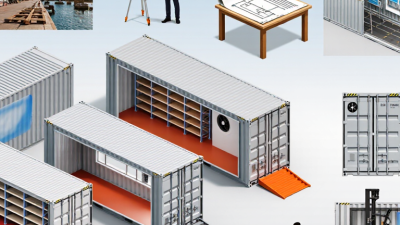
Open-Side Container Wide pallets, retail displays, event equipment, motorcycles, construction materials, and side-loading operations Usually available in 20-foot and 40-foot formats Standard container length and width, with one full side opening Approximately 33–67 m³, depending on the selected length Steel frame with multiple side doors or a full-length folding side wall Bi-fold doors, removable center posts, forklift pockets, ramp access, shelving, and locking systems Best for fast side access
Flat-Rack Container Heavy machinery, pipes, vehicles, transformers, boats, and cargo exceeding standard width or height Commonly 20-foot or 40-foot length Open platform with fixed or collapsible end walls; no permanent side walls or roof Capacity depends heavily on the frame design and cargo distribution; engineered payload verification is required High-strength steel platform, reinforced end walls, heavy-duty floor, and certified lashing points Collapsible ends, extra lashing rings, gooseneck tunnel, reinforced floor, removable posts, and custom cradles Best for project and out-of-gauge cargo
Temperature-Controlled Refrigerated Container Fresh food, frozen products, pharmaceuticals, laboratory materials, flowers, and temperature-sensitive goods Commonly 20-foot or 40-foot length
External height is generally about 2.59–2.90 m
Approximately 5.4–11.6 m long × 2.25–2.29 m wide × 2.26–2.54 m high Approximately 28–67 m³, depending on size and insulation thickness Insulated panels, stainless-steel or coated interior, insulated floor, refrigeration unit, and sealed doors Temperature data logger, remote monitoring, modified temperature range, air-flow channels, alarms, and backup power connection Best for controlled-temperature cargo
ISO Tank Container Liquid food ingredients, chemicals, gases, fuels, and other bulk liquids requiring controlled handling Typically a 20-foot frame Tank length generally about 6.06 m within a standard freight frame Common tank capacities range from approximately 14,000 to 26,000 litres Stainless-steel pressure vessel within a reinforced steel frame; specification depends on the cargo Insulation, heating system, discharge valves, pressure-relief devices, food-grade finish, and specialized fittings Best for bulk liquid transport
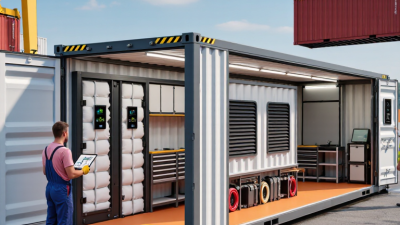
Insulated Modular Container Temporary offices, workshops, site storage, equipment rooms, medical rooms, and climate-sensitive storage Custom sizes based on a 10-foot, 20-foot, or 40-foot modular footprint Determined by insulation thickness, internal layout, and required working clearance Capacity is calculated from the final floor plan and equipment requirements Steel frame with insulated sandwich panels, vapor control, sealed openings, and finished interior surfaces HVAC, windows, emergency exits, fire-rated panels, lighting, plumbing, data cabling, partitions, and accessibility features Best for people and equipment spaces
Side-Door Storage Container Warehouses, construction sites, archives, spare parts, tools, and frequently accessed inventory Commonly 20-foot or 40-foot length Approximately 5.90–12.03 m long × 2.35 m wide × 2.39 m high Approximately 33–67 m³ internal volume Weather-resistant steel shell with cargo doors at the end and additional side access Security locks, internal shelving, lighting, insulation, anti-condensation coating, and personnel access doors Best for organized, frequent access

Dimensions and payload figures are typical planning values based on common container formats. Final specifications vary by structural design, equipment, insulation, tare weight, cargo distribution, local regulations, and required certification.

Which Materials and Features Shape Container Performance?

The best custom-made containers in 2026 will balance material strength, weight, insulation, and repairability. Corten steel remains practical for heavy cargo because it tolerates impacts and repeated handling. However, corrosion still appears around welds, doors, and drainage points. Protective coatings help, but they are not permanent solutions.

Aluminum reduces tare weight and can improve fuel efficiency during road transport. It suits mobile workshops and temperature-sensitive applications, especially with insulated panels. Polyurethane foam commonly provides stronger thermal resistance than basic fiber insulation. The right thickness depends on climate, cargo sensitivity, and ventilation needs. Poorly placed vents can create condensation inside.

Performance also depends on details. Reinforced corner posts, stainless door hardware, replaceable floor panels, and certified lifting points reduce maintenance risks. ISO 668 defines key container dimensions, while ISO 1496 covers strength and testing requirements. These standards should guide custom fabrication, not replace physical inspection.

UNCTAD’s Review of Maritime Transport 2024 reports that more than 80% of global merchandise trade by volume moves by sea, exposing containers to demanding transfers. The World Shipping Council recorded 576 containers lost at sea in 2023, representing a very small share of total movements. Small failures still matter. A drainage channel blocked by debris can damage flooring within months. I would avoid promising “maintenance-free” performance; field conditions are less predictable than factory tests.

How to Compare Custom Container Manufacturers in 2026

What are the 2026 best custom made containers? The answer depends on your product, handling conditions, and production volume. When comparing custom container manufacturers, begin with their engineering process. Can they turn a rough sketch into accurate production drawings? Ask about wall thickness, closure fit, load limits, and material compatibility. Samples reveal more. A useful sample should match the proposed production material, finish, and manufacturing method.

Check how each manufacturer controls quality. Request inspection records, material documentation, and batch traceability. Reliable suppliers explain their testing equipment and acceptance standards without vague promises. They should also identify relevant packaging, transport, and environmental requirements for your target markets. Ask for evidence. Factory visits, independent audits, and clear corrective-action procedures can reveal more than polished presentations.

Price deserves careful comparison, but the lowest quotation may hide expensive risks. Review tooling charges, minimum order quantities, sample fees, shipping terms, and replacement policies. Compare lead times under normal production, not only ideal conditions. A capable manufacturer communicates delays early and documents design changes. That matters. I would also test several filled containers through stacking, vibration, temperature changes, and repeated opening. Some designs look excellent on a desk but fail during warehouse handling. No supplier gets every decision right, so leave room for revisions after testing. A practical scorecard should weigh consistency, technical support, transparency, and total delivered cost rather than unit price alone.

What Are the 2026 Best Custom Made Containers?

For comparing custom container manufacturers in 2026, use ISO container sizes as a practical baseline. The chart compares typical internal volume across common container formats. Actual capacity may vary slightly because of door design, wall thickness, insulation, and custom fittings.

Container Type External Dimensions Typical Internal Volume
20-foot standard 6,058 × 2,438 × 2,591 mm 33.2 m³
40-foot standard 12,192 × 2,438 × 2,591 mm 67.7 m³
40-foot high cube 12,192 × 2,438 × 2,896 mm 76.4 m³

When comparing manufacturers, check how closely the proposed design matches these baseline dimensions, then evaluate customization quality, structural certification, corrosion protection, insulation performance, delivery lead time, and after-sales support.

How to Choose the Best Custom-Made Container for Your Needs

Choosing the best custom-made container starts with its real job, not its appearance. A container for machine parts needs different protection from one used for temperature-sensitive goods. Measure the longest item, add clearance for handling, and confirm the loaded weight. ISO 668 sets standard container dimensions, while ISO 1496 covers strength and testing requirements. These standards provide a reliable starting point, but they do not replace a site inspection.

Scale matters.

UNCTAD’s Review of Maritime Transport 2024 reported global container ship capacity of about 28.5 million TEUs in early 2024. That figure shows how heavily modern trade depends on standardized units. However, custom work becomes valuable when standard sizes waste space, restrict access, or ignore local conditions. Consider door position, ventilation, insulation, corrosion protection, flooring, and lifting points. Measure twice. Cutting later is expensive.

I once prioritized external dimensions and underestimated internal access. That was a poor assumption. Ask for drawings, material specifications, load calculations, and test records before approving production. For outdoor placement, check wind exposure, drainage, sunlight, and nearby traffic. For repeated loading, examine hinge cycles and floor wear. The best choice balances capacity, service life, transport limits, and maintenance—not merely the lowest quotation. World Bank logistics data also shows that reliability strongly affects supply-chain performance, so delivery timing and documented quality deserve equal attention.