How to Choose Custom Made Containers for Global Shipping

Choosing custom made containers for global shipping requires more than selecting a larger box. Cargo dimensions, loading methods, port equipment, inland transport, climate, and handling risks must work together.

UNCTAD’s Review of Maritime Transport 2024 reports that over 80% of global merchandise trade by volume moves by sea. That scale creates pressure on every container decision. A few centimeters can affect pallet placement, payload, lashing points, and warehouse access. Drewry’s World Container Index also shows how quickly freight costs can change across major trade routes. Therefore, a lower purchase price may not produce the lowest delivered cost.

Lars Jensen, founder of Vespucci Maritime, has described container shipping as “a network business, not a simple point-to-point service.” His point matters when choosing custom made containers. A unit may perform well at origin, then face crane handling, salt air, rail vibration, and temperature changes before delivery. Check ISO dimensions, CSC safety requirements, maximum gross mass, floor strength, door clearance, ventilation, and corrosion protection. For sensitive cargo, insulation and moisture control deserve practical testing, not assumptions.

Real experience often exposes small failures. A door seal may shrink. A forklift pocket may sit too low. A design can be technically correct but operationally awkward. I may still underestimate unusual transshipment conditions. That is why route trials, supplier documentation, inspection records, and a contingency plan should support every specification.

UNCTAD, Review of Maritime Transport 2024; Drewry, World Container Index; Vespucci Maritime commentary.

How to Choose Custom Made Containers for Global Shipping

Understanding the Purpose and Requirements of Custom Made Containers

Custom made containers should begin with purpose, not appearance. A container for machinery has different needs from one for fragile instruments. Define the cargo’s dimensions, weight, center of gravity, and loading method. Measure doors, lifting points, and service clearances before requesting a design.

A useful specification describes the full journey. Will the container face salt air, rain, vibration, or long outdoor storage? Material selection, drainage, ventilation, insulation, and corrosion protection should match those conditions. Internal frames may need adjustable lashing points, reinforced floors, or shock-absorbing supports. The design must also account for cranes, forklifts, stacking limits, and available handling equipment at each port.

Small details matter.

Ask an experienced engineer to review drawings and load calculations. Confirm that the finished unit meets applicable transport, safety, and customs requirements in the countries involved. Clear labeling, accurate weight declarations, inspection access, and reliable documentation reduce delays. Testing should reflect real handling, not only a clean factory environment.

A first drawing is rarely perfect. An overlooked drain can collect water, while a poorly placed lifting lug can slow every transfer. It is worth reviewing the design with the packer, carrier, and final receiver. Their practical feedback may expose requirements that a standard checklist misses. A well-made container protects its cargo, but a well-defined purpose protects the entire shipping process.
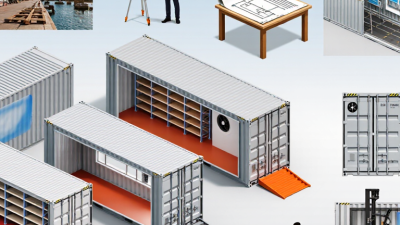

Selecting the Right Materials, Dimensions, and Structural Design

How to Choose Custom Made Containers for Global Shipping

Custom containers must match the cargo, route, handling method, and storage environment. Material selection affects weight, durability, cost, and maintenance. Steel provides strong impact resistance for heavy machinery. Aluminum reduces tare weight but may need stronger reinforcement around lifting points. Moisture-sensitive cargo may require sealed panels, drainage channels, and corrosion-resistant fasteners. For timber components, confirm applicable treatment and documentation requirements before shipment.

Measure twice. Dimensions should allow safe loading without wasted space. Check internal length, width, height, door clearance, and pallet alignment. Leave room for protective packaging and slight cargo movement. A container that fits perfectly on paper may become difficult to load in practice. Weight distribution also matters. Keep the center of gravity low and close to the middle. Uneven loading can stress the floor and complicate lifting. Always verify gross weight against handling equipment and transport restrictions.

Structural design should include certified lifting points, forklift pockets, lashing rings, and reinforced corners. These areas experience repeated shock during cranes, forklifts, and vessel handling. Engineers should calculate stacking loads and dynamic forces, then review fabrication drawings before production. Prototype testing can reveal loose panels, poor drainage, or access problems. Small details matter. Field inspections often find that doors, hinges, and fasteners receive less attention than the main frame. That is a mistake worth correcting. Document material grades, weld inspections, load tests, and maintenance needs for reliable handovers across different ports.

How to Choose Custom Made Containers for Global Shipping - Selecting the Right Materials, Dimensions, and Structural Design
Container Type Primary Materials Typical Internal Dimensions
(L × W × H)
Approximate Tare Weight Recommended Payload Range Moisture and Pest Protection Structural Design Features Best-Fit Shipping Applications
Export Plywood Crate
Reusable or one-way custom crate
12–18 mm plywood panels
50 × 75 mm timber framing
Galvanized bolts or wood screws
1,200 × 800 × 800 mm
47.2 × 31.5 × 31.5 in
45–90 kg
99–198 lb
250–1,500 kg
551–3,307 lb
Moderate protection.
Add a sealed barrier bag and desiccant for ocean or tropical routes.
Skid base with forklift entries, corner posts, diagonal bracing, and removable panels. Machinery parts, industrial assemblies, tools, and non-fragile equipment.
Heat-Treated Timber Crate
Heavy-duty open or closed crate
75–100 mm hardwood or softwood runners
18–25 mm timber boards
Steel straps where required
2,400 × 1,200 × 1,200 mm
94.5 × 47.2 × 47.2 in
180–350 kg
397–772 lb
1,000–5,000 kg
2,205–11,023 lb
Moderate protection when enclosed.
Solid timber is vulnerable to moisture unless coated or combined with a barrier system.
Reinforced base, load-distribution bearers, blocked equipment, and lifting points designed around the center of gravity. Large machinery, pumps, generators, fabricated assemblies, and dense industrial cargo.
Steel-Reinforced Plywood Case
High-strength export case
18–21 mm plywood
Formed steel angles or channels
Zinc-plated hardware
2,000 × 1,000 × 1,000 mm
78.7 × 39.4 × 39.4 in
140–280 kg
309–617 lb
500–3,000 kg
1,102–6,614 lb
Good protection with sealed joints, corrosion-resistant hardware, vapor-barrier film, and desiccant. Steel perimeter frame, internal blocking, bolted lid, forklift pockets, and lifting eyes if engineered for the load. Precision machinery, electrical cabinets, valves, robotics, and high-value industrial equipment.
Corrugated Fibreboard Export Box
Lightweight disposable packaging
Double-wall or triple-wall corrugated board
Paper cushioning and edge protectors
Reinforced strapping
1,000 × 600 × 600 mm
39.4 × 23.6 × 23.6 in
8–25 kg
18–55 lb
20–250 kg
44–551 lb
Low to moderate protection.
Use water-resistant board, a liner, or a separate moisture barrier for humid conditions.
Double-wall base, corner posts, internal partitions, cushioning zones, and pallet attachment. Spare parts, packaged components, consumer goods, and short-to-medium transport cycles.
Reusable Plastic Pallet Box
Stackable returnable container
High-density polyethylene or polypropylene
Molded pallet base
Hinged or removable lid
1,200 × 800 × 780 mm
47.2 × 31.5 × 30.7 in
45–75 kg
99–165 lb
100–800 kg
220–1,764 lb
High resistance to rain and wash-down conditions.
Not fully vapor-tight unless fitted with a gasketed lid.
Integral forklift entries, nesting or stacking feet, ribbed walls, and reusable closure system. Repeated regional distribution, automotive components, maintenance parts, and moisture-sensitive non-electronic goods.
Aluminum Flight Case
Reusable protective case
6–10 mm plywood core
Aluminum profiles
High-impact corners and recessed hardware
1,000 × 600 × 600 mm
39.4 × 23.6 × 23.6 in
25–60 kg
55–132 lb
50–400 kg
110–882 lb
Good splash and dust protection with a gasketed lid.
Add corrosion-control packaging for long sea voyages.
Shock-absorbing foam, adjustable inserts, butterfly latches, casters or handles, and removable lids. Instruments, test equipment, electronics, prototypes, and frequently handled technical assets.
Insulated Thermal Container
Temperature-protective custom pack
50–100 mm expanded or extruded polystyrene, polyurethane, or vacuum insulation panels
Plywood or plastic outer shell
800 × 600 × 600 mm
31.5 × 23.6 × 23.6 in
30–90 kg
66–198 lb
30–250 kg
66–551 lb
High thermal protection when correctly sealed.
Moisture control depends on liner, coolant, and closure design.
Continuous insulation, limited thermal bridges, shock protection, temperature logger pocket, and controlled internal airflow. Pharmaceuticals, laboratory materials, temperature-sensitive chemicals, and specialty food products.
Selection guidance: Dimensions and payload figures are representative design ranges for custom packaging and must be verified through a load calculation. For international movement, timber packaging should be manufactured from approved material and treated in accordance with the destination country’s current wood-packaging requirements. Confirm maximum gross weight, axle limits, lifting points, stackability, center of gravity, moisture-control requirements, and carrier restrictions before production.

Evaluating Protection, Compliance, and International Shipping Standards

How to Choose Custom Made Containers for Global Shipping

Protection starts with the route, not the container sketch. UNCTAD’s Review of Maritime Transport reports that over 80% of global merchandise trade by volume moves by sea. That means salt air, vibration, stacking pressure, and long port storage deserve serious attention. A custom container should fit the cargo tightly, but leave space for shock-absorbing pads and airflow. Test the design through drop, vibration, compression, and humidity conditions. A container that looks strong can still fail at its corners.

Compliance is equally important. For ocean freight, verify dimensions and performance against relevant ISO container standards. If the unit functions as a freight container, check CSC requirements and obtain a valid inspection record. Shippers must also provide accurate verified gross mass under SOLAS rules. Solid wood supports may require ISPM 15 treatment and marking. Ask for material declarations, test reports, and clear handling instructions. Paperwork is not decoration.

Small details matter.

Use corrosion-resistant fasteners near exposed seams. Add drain points where condensation may collect. Measure the loaded container, not only the empty shell. I would avoid promising universal protection, because every route behaves differently. One overlooked issue is often the lid seal after repeated opening. A practical trial shipment can reveal weak points before full production, although it costs more at the beginning. The World Bank’s Logistics Performance Index 2023 also emphasizes reliability and shipment timeliness, so container design should support predictable handling, not merely survive one inspection.

Comparing Manufacturers, Customization Options, and Total Costs

Choosing custom made containers for global shipping requires more than comparing purchase prices. Start by assessing each manufacturer’s production experience, material standards, and quality controls. Ask for factory photographs, inspection records, and sample measurements. A reliable supplier should explain steel grades, weld quality, coating thickness, door performance, and expected service life. I once focused too heavily on a low quotation and overlooked weak corner protection. That mistake created extra handling concerns later.

Customization should match the cargo, route, and handling environment. Consider internal dimensions, payload, ventilation, insulation, locking systems, floor strength, and corrosion protection. A container for machinery may need reinforced flooring and wider doors. A temperature-sensitive shipment may require insulation and monitoring points. Confirm tolerances before production begins. Small dimensional changes can affect loading efficiency and port handling. Some options sound useful but add weight, maintenance, or unnecessary cost.

Tips: Request an itemized quotation. Include tooling, testing, packaging, inland transport, ocean freight, duties, insurance, and maintenance. Compare the total landed cost, not only the factory price. Ask whether replacement parts are available near major routes. Confirm compliance documents for the destination market. Build a realistic delivery buffer, because custom production rarely follows the first schedule perfectly. My own estimates have been too optimistic before, especially when design revisions arrived late.

Inspecting, Testing, and Preparing Containers for Global Shipment

Choosing a custom-made container begins with the cargo profile, route, and handling conditions. Measure the load carefully, including fragile projections and uneven weight. Allow space for bracing, ventilation, and safe access during unloading. A container that fits tightly may still fail when humidity, vibration, or temperature changes affect the cargo.

Inspect the structure before testing it. Check welds, corner fittings, floor panels, doors, hinges, and seals for distortion or corrosion. Examine the interior for sharp edges, loose coatings, and trapped moisture. Small faults matter. In practical inspections, a damaged seal often reveals poor maintenance elsewhere. Do not trust a clean appearance alone. Take dated photographs and record measurements, materials, and repair work for traceability.

Testing should match the planned journey. Apply door and seal checks, water-resistance tests, lifting-point inspections, and load trials where appropriate. Monitor movement during a simulated handling cycle. A simple vibration test can expose weak bracing that static checks miss. I have seen well-built containers need extra corner protection after testing; that is not failure, but useful evidence. Confirm required safety approvals and shipping documents with the carrier and destination authorities, because requirements vary. Before loading, dry the interior, secure every item, balance the weight, and label handling points clearly. One final inspection helps, though it cannot replace careful planning.