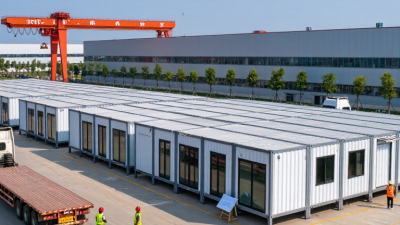
Finished container homes can offer a quicker path to a compact house, guest suite, or remote workspace. Yet a finished unit is not automatically ready for every site. Buyers need to compare construction quality, transport costs, utility connections, and local requirements before paying a deposit. A glossy photograph cannot show everything. Details matter.
Buying across borders adds practical questions. A home built for one climate may need different insulation, ventilation, or corrosion protection elsewhere. Ask the manufacturer for floor plans, material specifications, recent project references, and a clear list of included fixtures. Check dimensions against shipping limits and confirm how unloading and foundation preparation will work. Get key promises in writing. If answers stay vague, pause.
This guide explains how to assess suppliers, compare quotes, plan delivery, and review site readiness when sourcing finished container homes worldwide. It also highlights questions to discuss with qualified local professionals, since building, safety, and utility rules vary by location. A lower price may look convincing, but hidden work can change the total quickly. I would not assume every advertised “turnkey” package means the same thing. Careful checks take time, sometimes more than expected, but they help buyers make a better-informed choice.

Before comparing finished container homes worldwide, define who will use the home, how often, and where it will sit. A weekend cabin needs different insulation and plumbing from a year-round family home. Start with use. Record the number of occupants, sleeping spaces, bathroom needs, and room for a desk or storage. Then check site access: a narrow lane, overhead wires, or soft ground can complicate delivery and installation. McKinsey’s 2019 report, “Modular Construction: From Projects to Products,” says modular methods can shorten project schedules by 20–50% in suitable conditions. That is not a promise for every home; transport, site work, and customization still take time.
Set a complete budget, not just a purchase price. Include shipping, unloading, foundations, utility connections, interior finishing, and local approval requirements. Ask suppliers for a written scope and clarify what arrives installed. Small details matter. A kitchen shown in a rendering may not include appliances, for example. The Global Alliance for Buildings and Construction’s 2023 Global Status Report attributes 37% of energy- and process-related carbon emissions in 2022 to the wider buildings and construction sector—not container homes alone. Use that context to compare insulation, windows, and expected heating or cooling needs. Leave a contingency for site surprises. I would not skip it, even with a tidy quote.
Buying a finished container home across borders starts with careful supplier research, not attractive renderings. Request recent project photos, a written specification, and references from buyers in similar climates. Ask who builds the unit, where final assembly occurs, and which checks happen before dispatch. A video call can reveal workshop conditions, but it cannot replace an independent inspection. Small details matter. Check door seals, weld finishes, floor levels, and labeled electrical circuits. Compare quotes line by line, including packing, transport, unloading, and installation. Low prices can hide missing work.
Study available designs against the site and daily routines. A compact one-bedroom layout may look efficient online, yet feel cramped beside bulky furniture. Check interior dimensions after insulation, not just the container’s exterior size. Review window placement, ventilation, roof drainage, insulation values, and water and power connections. Ask whether finishes and fixtures can be changed before production, and get agreed changes in writing. Climate suitability deserves evidence, especially for coastal air, heavy rain, or cold winters. Do not assume a standard model fits your location. Measure twice. Supplier documents should explain materials, maintenance needs, delivery scope, and what remains unfinished.
Before paying a deposit, ask the local building department which rules apply to a factory-built container home. Requirements can change with the home’s location, intended use, and connection to utilities. Check structural loads, fire resistance, insulation, electrical systems, plumbing, ventilation, and emergency exits. A certificate alone may not prove compliance. Confirm what it covers, which model it applies to, and whether local officials accept it. Details matter.
Request drawings, material specifications, test reports, and installation instructions before shipment. Compare the documents with your permit requirements, not just the seller’s checklist. It is easy to assume a finished unit can be installed as delivered; that assumption can become an expensive mistake. Ask an independent local engineer or building professional to review gaps early. Keep copies.
Import rules also vary by destination. Check the product’s customs classification, duties, taxes, required declarations, and permitted entry documents with the relevant customs authority or a qualified broker. Confirm that the invoice, packing list, and shipping details match the unit. Wood packaging may need to meet applicable treatment and marking rules. Allow time for inspections, port handling, and inland transport. Paperwork delays are frustrating, and planning still may not catch every local requirement.
Buying a finished container home worldwide starts with quotes that describe the same scope. Ask each seller to itemize the home, delivery, unloading, foundation work, utility connections, and taxes or import charges. Compare currency, quote expiry dates, and what happens if shipping costs change. A low price may exclude the crane or interior finishes. There is no perfect quote. Small omissions can become expensive.
Check construction details, not just polished photos. Request drawings, material specifications, and recent inspection or testing records. Look closely at welds, corrosion protection, insulation thickness, window seals, and moisture barriers. Ask whether the unit is new or refurbished. If possible, arrange an independent inspection before shipment. Photos help, but they cannot reveal everything; I would not treat them as proof of build quality.
Tips: Read warranty exclusions and confirm when coverage begins, who handles claims, and whether service is available near your site. Ask how freight damage is documented and reported. Link payment milestones to verifiable steps, such as factory inspection and delivery documents, rather than paying the full amount upfront. Keep a final balance until agreed checks are complete. Paperwork can feel tedious, but unclear terms are harder to fix after the home ships.
Buying a finished container home worldwide takes more than arranging freight. Confirm the unit’s dimensions, weight, lifting points, and delivery address before booking transport. Ask the seller and carrier to clarify what the shipping quote includes, such as unloading, storage, and final delivery. Check route access early; a narrow gate or low tree branch can delay a truck. Keep copies of drawings, shipping documents, and delivery dates. Plans can change.
Prepare the site before the home arrives. A level, engineered foundation and clear drainage help prevent movement and water pooling. Arrange utility connections and crane access in advance, with enough room for safe lifting. During installation, confirm the unit sits level and follows the approved plans. I once overlooked the space needed for a service vehicle; it was a small detail with a real cost.
Tips: Photograph the home before loading and after delivery. At final inspection, test doors, windows, lights, and plumbing, and look for damaged seals or transport marks. Record unfinished items in a written punch list before accepting handover. Small details matter. An independent local inspector can help identify issues you may miss, especially around connections and weatherproofing.
Practical project guide for international purchases. Timelines, permits, costs, and inspection requirements depend on the destination, transport route, building design, and local authorities.
| Stage | Key Actions | Documents and Information to Prepare | Planning Considerations | Verification Before Proceeding |
|---|---|---|---|---|
| 1. Confirm the home and destination requirements | Confirm the floor plan, finished dimensions, gross shipping weight, utility connections, intended use, and destination address. Check whether the home will travel as cargo, on a flat rack, or under another transport arrangement. | Dimensioned drawings; weight details; photographs; materials and equipment list; delivery address; intended occupancy and use. | Finished units may differ from standard shipping containers in size, weight, lifting points, and loading requirements. Confirm the transport configuration before booking freight. | Compare the supplier’s drawings and specifications with local planning, building, access, and transport requirements. |
| 2. Check permits, customs, and import rules | Ask the destination’s relevant authorities or a licensed local professional about land use, building approval, product compliance, import duties, taxes, and any required inspections. | Sales contract; commercial invoice; packing list; product specifications; origin information; transport documents; permits or certificates required by the destination. | Import and construction rules differ by country and sometimes by region. A completed module may be treated differently from an empty freight container. | Obtain written confirmation of applicable requirements before production is finalized or the unit is dispatched. |
| 3. Book international shipping | Compare suitable transport options with a freight forwarder. Confirm cargo dimensions and weight, route, port handling, insurance, delivery terms, loading method, and who is responsible for each transport and customs step. | Verified cargo measurements and weight; shipping instructions; commercial invoice; packing list; cargo insurance details; bill of lading or other applicable transport document. | Transit time and total charges depend on the route, carrier availability, cargo dimensions, port operations, customs clearance, and inland delivery. Request a route-specific written quotation. | Confirm that the booked equipment can carry the unit and that lifting, securing, port handling, and final-mile arrangements are included or clearly assigned. |
| 4. Prepare the site and foundations | Complete access planning, drainage, foundation work, and service connections in accordance with the approved design and local requirements. Keep the delivery and crane area clear. | Site survey; approved foundation drawings; soil or ground information where required; utility plans; access and crane-location plan. | Foundation type and capacity must be designed for the site, local ground conditions, climate loads, and the home’s support points. Do not assume a single foundation design suits every location. | Have the responsible local professional verify foundation location, dimensions, level, bearing capacity, and utility positions before delivery. |
| 5. Coordinate delivery and unloading | Track the shipment, complete customs procedures, confirm the delivery appointment, and coordinate the truck, crane or other lifting equipment, crew, and site access. | Arrival and release details; delivery instructions; lifting plan; site contact information; crane and transport arrangements; customs release documentation. | Road limits, turning space, overhead obstructions, ground bearing conditions, weather, and port or carrier schedules can affect delivery and unloading. | Before lifting, check the approved lifting points and plan, equipment capacity, exclusion zone, ground conditions, and weather limits. |
| 6. Position and install the home | Place the unit on the prepared supports, align and secure it as designed, connect approved utilities, and complete any specified joining, sealing, or finishing work. | Installation drawings; anchoring details; utility connection diagrams; manufacturer’s installation instructions; records of any site modifications. | Installation should follow the project design and applicable local codes. Changes to structural members, openings, or lifting details require appropriate professional review. | Record the final position, support and anchoring details, utility connections, and installation work for handover and inspection. |
| 7. Complete final inspections and handover | Arrange inspections required by the local authority and review the completed home’s structure, weather sealing, doors and windows, electrical and plumbing systems, ventilation, and safety equipment. | Approved plans and permits; inspection requests; installation records; test results; warranties; operating and maintenance instructions. | Inspection scope and approval sequence are destination-specific. Occupancy may require formal approval before the home is used. | Resolve inspection findings, obtain required sign-offs, test installed services, and retain the final approval and handover records. |
Standard ISO freight-container dimensions are not a substitute for measuring a finished home. For reference, common general-purpose containers have nominal external dimensions of approximately 6.058 × 2.438 × 2.591 m (20 ft) and 12.192 × 2.438 × 2.591 m (40 ft); modifications, fittings, and cargo configuration can change the dimensions and transport requirements of a finished unit.