Why Choose a Construction Shipping Container?

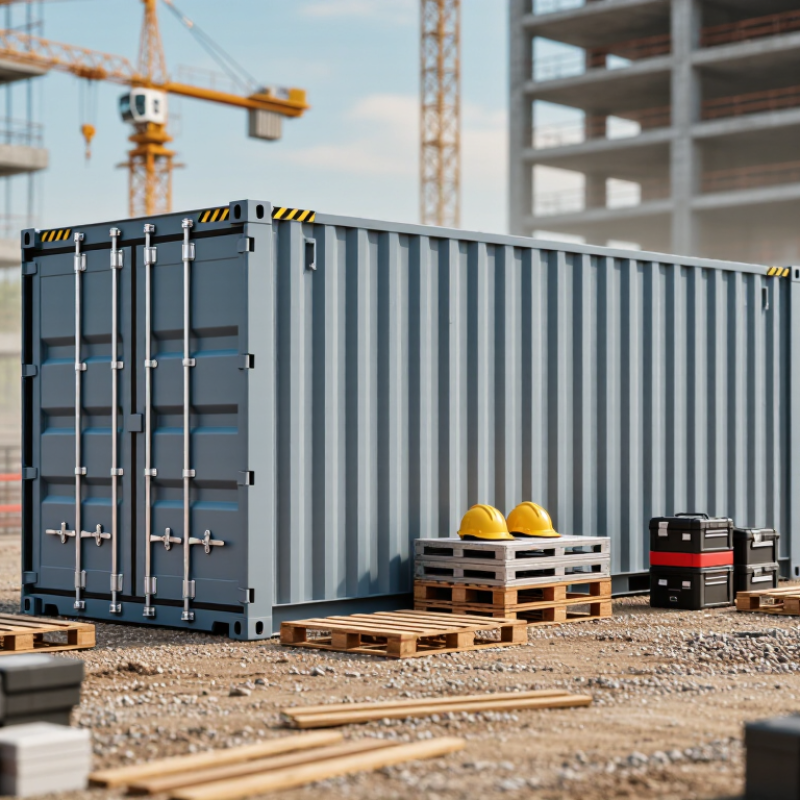
A construction shipping container can provide secure, weather-resistant storage without requiring a permanent building. Its steel shell, lockable doors, and compact footprint can suit tools, materials, or temporary work areas. On a crowded site, organized storage may keep supplies away from walkways and reduce unnecessary trips between tasks. Details matter.

Before selecting a unit, consider its size, condition, access, delivery space, and expected time onsite. A container that looks sound in a photo may still have damaged flooring, stiff doors, or signs of water entry. Inspect it in person when possible, and ask the supplier about repairs, ventilation, and placement requirements. One overlooked issue is access.

Delivery trucks need room to maneuver, while the ground must support the loaded container without shifting or sinking. Planning these details early can help prevent delays. Still, a container is not a complete site solution. It does not replace inventory control, safe handling, or suitable storage for every material. Its value depends on matching the unit to actual site conditions, not simply choosing the largest or cheapest option. Needs can change, too. This guide examines why a construction shipping container may suit a project, which features deserve attention, and how careful inspection can help prevent a costly mismatch.
Why Choose a Construction Shipping Container?

What Defines a Construction Shipping Container Under ISO 668?

A construction shipping container is not a separate ISO category. ISO 668:2020 defines Series 1 freight containers by classification, external dimensions, and ratings. A common 20-foot unit measures 6,058 mm long and 2,438 mm wide; standard height is 2,591 mm. High-cube units are taller. Check the rating plate for the specific container’s maximum gross mass. Dimensions alone do not confirm its load capacity or condition.

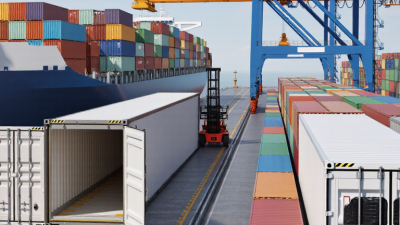
These shared measurements help contractors plan transport, lifting, and site layouts. UNCTAD’s Review of Maritime Transport 2024 reports global container port throughput of 858.9 million TEUs in 2023. That scale shows why consistent container dimensions matter across supply chains. But an ISO dimension is not a promise that a container suits every job. Doors, ventilation, insulation, and internal fittings can change how it works on site. I would inspect these details before treating a standard unit as a ready-made workspace.

Tips: Measure access routes and overhead clearance before delivery. Confirm the rating plate, then check floors, corner fittings, and door operation in person. Small defects matter.

How 6.058 m and 12.192 m ISO Modules Shape Site Layouts

Why Choose a Construction Shipping Container?

How 6.058 m and 12.192 m ISO Modules Shape Site Layouts

A 6.058 m module can fit beside a temporary office, tool store, or narrow access route. The 12.192 m module offers roughly twice the floor length, making it useful for longer workbenches or separated storage zones. Both dimensions follow common ISO container lengths, but usable interior space is smaller. Doors, insulation, and shelving take room.

Planning with these modules can make a busy site easier to navigate. Place shorter units near gates or changing work areas, where access needs may shift. Longer units suit stable zones, such as equipment storage along a site boundary. Leave space for delivery vehicles and door clearance. Measure the actual site, not just the container footprint. A neat plan can still fail when trucks cannot turn. That happens.

Tips: Mark each module’s footprint with paint or stakes before delivery. Check ground level, drainage, and access for lifting equipment. Keep walking routes clear, even if that costs a little storage space. A small compromise is often worth it.

Why Choose a Construction Shipping Container?

How 6.058 m and 12.192 m ISO modules shape site layouts

Using a standard external width of 2.438 m, the nominal ground footprints are approximately 14.77 m² for a 6.058 m module and 29.72 m² for a 12.192 m module. The longer module provides nearly twice the floor footprint, while the shorter module can be easier to fit into constrained site layouts. Actual usable interior area is smaller.

How ISO 1496 Tests Containers for Stacking, Lifting, and Handling

A construction shipping container must withstand more than weather and rough-looking job sites. ISO 1496 sets requirements and test methods for series 1 freight containers, with details that vary by container type. The tests examine how a container responds to loads during stacking, lifting, and transport handling. They offer useful evidence, but they do not replace a careful inspection of the unit you plan to use.

In a stacking test, a container is loaded through its corner fittings to simulate the weight of containers above it. Inspectors check whether the structure carries that load without unacceptable deformation. Lifting tests assess how forces pass through the corner fittings when the container is raised. Different test arrangements represent different lifting methods. Loads shift. That matters on a busy site, where uneven ground and repeated moves can add stresses the test setup does not reproduce exactly.

Before choosing a container, check its identification and test documentation, then look closely at corner castings, welds, doors, and visible frame damage. A test report is evidence, not a guarantee of present condition. Repairs or later modifications may affect strength, so ask what changed and whether it was assessed. It is easy to overlook the floor, too. ISO testing covers defined conditions; it cannot predict every impact from a loaded forklift or every years-long exposure to site wear.

What CSC’s 5-Year Initial and 30-Month Reinspection Rules Require

Why Choose a Construction Shipping Container?

What CSC’s 5-Year Initial and 30-Month Reinspection Rules Require

A construction container may look sound while hiding damage around its corner posts, door hinges, or floor crossmembers. The CSC plate gives buyers a vital inspection timeline. Under the International Convention for Safe Containers, containers following the Periodic Examination Scheme require an initial examination within five years of manufacture, then examinations at intervals no longer than 30 months. That date matters. Containers enrolled in an approved continuous examination program follow that program’s inspection requirements instead.

The distinction is easy to miss when comparing units in a yard. Check the CSC plate, its examination scheme, and the recorded inspection dates before purchase or hire. Look for buckling, cracked welds, bent locking rods, and water-softened flooring; fresh paint alone proves little. UNCTAD’s Review of Maritime Transport 2024 reports that global container port throughput reached 858.9 million TEU in 2023, illustrating the scale of container movement and handling. It does not measure damage rates, but it underscores why documented inspection matters.

A CSC examination concerns container safety for transport; it does not certify a unit as a finished construction building. Cutting openings or adding heavy equipment can affect structural integrity, so have alterations assessed by a qualified professional. Keep inspection records with the unit, and verify the next due date against the plate and paperwork. Some records are incomplete. Treat uncertainty as a reason to inspect, not as proof of compliance.

Which Construction Site Uses Best Suit Container-Based Buildings

Construction container buildings suit sites where work moves quickly, space is tight, or crews need facilities before permanent structures are ready. Remote infrastructure projects, roadworks, mines, and large building sites often need secure offices, changing rooms, first-aid spaces, or equipment stores close to active work. A level, accessible area makes delivery and placement easier. So do clear routes for trucks and cranes. Utilities matter, too: a container office without reliable power, lighting, or drainage can become a daily frustration.

The case is strongest when a site needs repeatable rooms that can be installed, moved, or expanded in stages. A 2011 McGraw Hill Construction survey found that 66% of industry respondents reported schedule improvements from prefabrication and modularization; 65% reported budget reductions, and 77% reported less construction waste. These figures cover modular methods broadly, not container buildings alone. That distinction matters. Containers may be less suitable on steep, congested sites or where long-term comfort, acoustics, and generous interior space are priorities. A cold metal wall is not a detail to ignore. Site teams should check local requirements, insulation, ventilation, fire protection, and accessible routes before choosing a layout. Sometimes the container is practical, but not elegant.