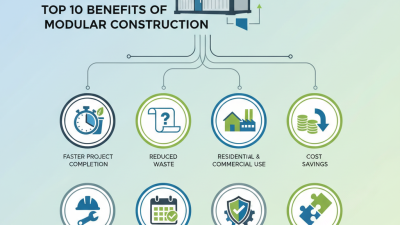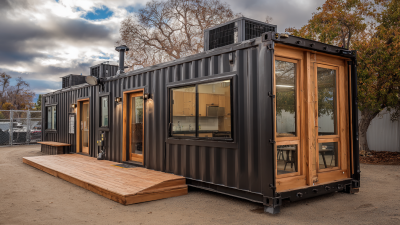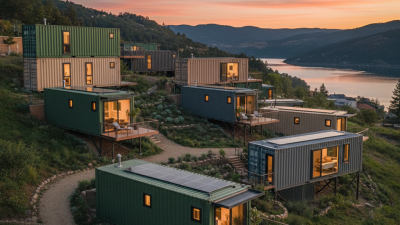
Modular construction is reshaping the future of the building industry. According to a recent McKinsey report, this approach can reduce construction time by 20 to 50%. It also helps lower costs by 10 to 20%. As cities grow and demand for housing increases, modular construction emerges as a viable solution.
Experts like Robert H. Sharman, a leading figure in the modular building sector, emphasize its potential. He states, “Modular construction is not just efficient; it’s essential for meeting modern housing needs.” This perspective underscores the urgency of adopting innovative methods in an industry often bogged down by traditional practices.
Despite its advantages, challenges exist. Quality control can be more complex in modular building. Furthermore, public perception and zoning laws may hinder progress. A balanced approach is necessary to fully realize the benefits of modular construction while addressing these concerns.
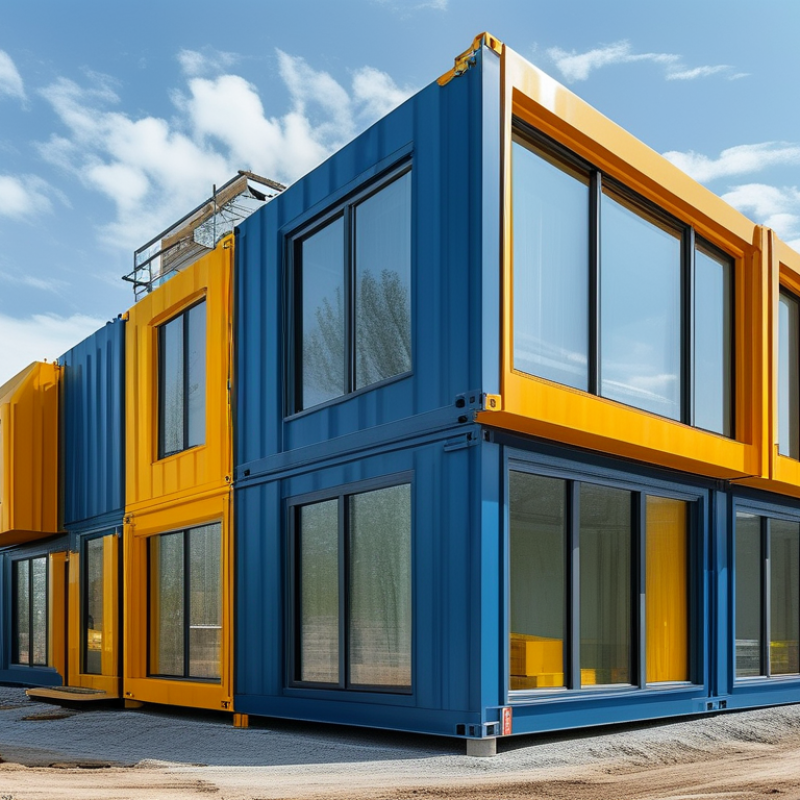
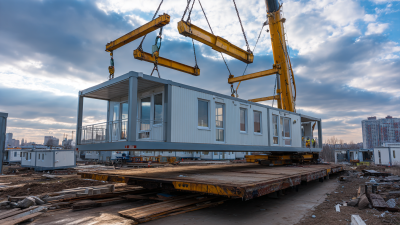
Modular construction is gaining traction in the building industry. This method focuses on creating structures in sections or modules. These modules are constructed off-site in a controlled environment. As a result, this approach can speed up project timelines significantly. Building can occur simultaneously with site preparation. This overlap often leads to reduced labor costs.
Industry trends indicate a growing acceptance of modular methods. Sustainability is a key factor driving this change. Modular construction typically produces less waste compared to traditional methods. However, challenges remain. Some industries still hesitate due to quality concerns and regulatory hurdles. Achieving a seamless integration of modular sections on-site can also be complicated.
Moreover, there's an ongoing debate about how modular construction fits into local markets. Customization often takes a back seat to efficiency. While standard designs can expedite processes, they may not meet specific needs. Clients sometimes find themselves reflecting on whether modular options truly serve their vision. The evolution of this industry requires constant learning and adaptation.
Modular construction has emerged as a compelling alternative, presenting notable cost efficiencies over traditional building methods. A report from McKinsey indicates that modular projects can reduce construction costs by up to 20%. This significant reduction is primarily due to streamlined processes and less waste. In a modular setup, components are produced in controlled factories. This leads to shorter construction times and less disruption on-site.
However, while the initial savings appear promising, some challenges remain. A study by the National Institute of Standards and Technology points out that initial investments for modular construction can be higher. The need for high-quality materials and advanced technology contributes to this cost. Furthermore, aligning local regulations with modular designs can complicate implementation. The industry must address these issues to realize the full potential of modular methods.
The benefits extend beyond simple cost savings. Projects completed in a modular fashion can be occupied more rapidly. The average time to occupy modular buildings can be reduced by up to 50%. Yet, some skeptics argue that the perception of modular construction as lesser quality remains. Overcoming this stigma is as crucial as the financial advantages. The path ahead must focus on refining quality and public perception, ensuring that modular construction becomes a trusted option in the building industry.
| Construction Method | Average Cost per Square Foot | Construction Duration (Months) | Waste Reduction (%) | Energy Efficiency Rating |
|---|---|---|---|---|
| Modular Construction | $150 | 6 | 30 | A+ |
| Traditional Construction | $200 | 12 | 10 | B |
Modular construction is reshaping the building industry, particularly in terms of timelines and productivity. According to a report from McKinsey, modular methods can reduce construction time by 20-50%. This efficiency stems from off-site assembly, which minimizes delays caused by weather or labor shortages. Buildings can be constructed simultaneously on-site and off-site, streamlining the entire process.
However, obstacles still exist in this evolving sector. The initial design and planning phases are critical for success. If a project is poorly conceived, modular benefits can vanish. A study by the National Institute of Building Sciences states that integrated project delivery is vital. Collaboration among architects, engineers, and builders is essential for optimizing modular design.
Productivity gains can also vary. The Modular Building Institute reports that projects can achieve up to 90% fewer on-site work hours. This dramatic reduction is promising, but it necessitates skilled labor for assembly. There’s a learning curve for adapting traditional construction teams to modular techniques. Additionally, some stakeholders remain cautious about the long-term performance of modular buildings. Addressing these concerns is crucial for broader industry acceptance and reliability in the long run.
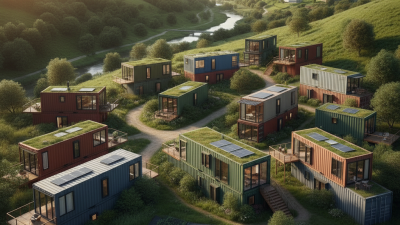
Modular construction is gaining momentum for its sustainability benefits. Research indicates that this method reduces waste by up to 90% compared to traditional building. The off-site manufacturing process streamlines production, minimizing excess materials. This is crucial, as construction debris accounts for a significant portion of landfill waste. A report from the World Green Building Council states that modular buildings can emit 40% less carbon during construction.
Moreover, modular construction leads to energy efficiency. Buildings made this way often use high-quality insulation and airtight designs. This results in a reduction of energy use by approximately 60%. Yet, there are challenges. Some critics argue that modular components can be less flexible, limiting design creativity. This can create tension when balancing sustainability and aesthetics.
The shift toward modular methods must also address local regulations. Each area has distinct building codes, which can complicate the scaling of these solutions. Collaboration between stakeholders is vital to overcome these hurdles. The potential is enormous, but progress requires a comprehensive understanding of these complexities.
Modular construction is transforming the building industry significantly. Technological innovations are the driving force behind this change. A recent report by McKinsey predicts that modular construction could account for 15% of the global construction market by 2030. This shift is fueled by advancements in prefabrication techniques and digital design tools.
Software solutions are streamlining the design process. These tools allow for precise modeling and simulation, reducing errors and waste. Research indicates that modular units can be built up to 50% faster than traditional methods. Furthermore, automation in manufacturing enhances productivity. However, this approach faces challenges related to labor skill gaps. The industry is still figuring out how to train workers for these new technologies.
Sustainability is a crucial aspect of modular construction. Prefabricated elements often generate less waste and use sustainable materials. A study by the World Economic Forum highlighted that modular projects can cut waste by up to 90%. Yet, industry leaders must remain vigilant regarding quality control. Effective oversight is essential to avoid compromising safety in pursuit of speed. The evolution of modular construction raises both opportunities and questions, demanding continuous reflection and adaptation.