What Is a Converted Container?

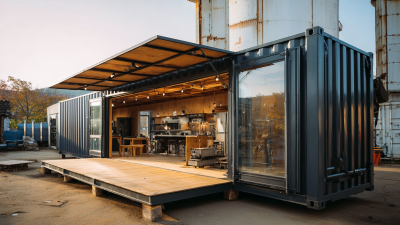
A converted container is a standard shipping container adapted for a new purpose. Instead of carrying freight, it may become a compact office, workshop, shop, studio, or storage space. The changes can be modest, such as adding a personnel door, or more involved, with windows, insulation, lighting, and interior finishes. The container’s steel shell provides a useful starting point, but it does not make every conversion automatically comfortable or suitable.

Details matter. A cut opening can affect the structure, while poor insulation may encourage condensation on cold surfaces. Ventilation, safe electrical work, weatherproof seals, and a stable base also influence how well the space performs. Needs vary with climate, site conditions, and intended use, so there is no single conversion plan that fits every project. A container used for occasional tool storage has different requirements from one occupied throughout the working day. That matters.

The phrase sounds simple, perhaps too simple. A converted container is not just a box with a window; it is a modified structure whose condition and workmanship deserve careful attention. Before choosing a design, consider the container’s age, signs of corrosion, floor condition, and the placement of doors or windows. Qualified professionals can assess structural changes and building systems where needed. Not always. Even a tidy-looking unit may hide problems beneath new panels or paint. Understanding these basics helps owners ask better questions, compare proposals, and decide whether a container conversion truly suits the space and purpose they have in mind.
What Is a Converted Container?

Definition and Core Features of a Converted Container

A converted container is a freight container adapted into a usable space, such as a site office, workshop, or small retail unit. Its original steel shell provides a strong, transportable starting point, but conversion means more than adding a door and paint. Standardized dimensions and handling features, including corner fittings, help preserve compatibility with lifting and transport equipment. ISO 668:2020 specifies the classification and external dimensions of series 1 freight containers.

That matters. The UNCTAD Review of Maritime Transport 2024 reports that global container port throughput reached about 858 million TEUs in 2023. TEU measures shipping capacity, not converted buildings, but it illustrates the scale of the standardized system these units come from. A converted unit may retain its cargo doors, while new windows, service openings, or connecting panels need careful detailing and, where necessary, structural reinforcement.

Core features usually include weather-resistant cladding, a prepared floor, insulation, ventilation, and safe electrical or plumbing services. The best specification depends on climate and use. For example, a metal shell in strong sun can heat quickly; insulation without planned ventilation may still leave condensation. Not glamorous. Yet small detailing choices affect comfort and upkeep. ISO 1496-1 sets testing requirements for general-purpose freight containers, but a modified unit should be assessed for its new layout and intended loads rather than assumed to retain every original performance characteristic.

How a Standard Container Is Converted

What Is a Converted Container?

How a Standard Container Is Converted

A standard container conversion begins with inspection, not cutting. A technician checks the corner posts, rails, floor, and corrosion, then matches the unit to its intended use. A 20-foot container measures about 6.058 by 2.438 metres externally under ISO 668:2020. That fixed shell leaves limited room for doors, insulation, and services. Small layout choices matter.

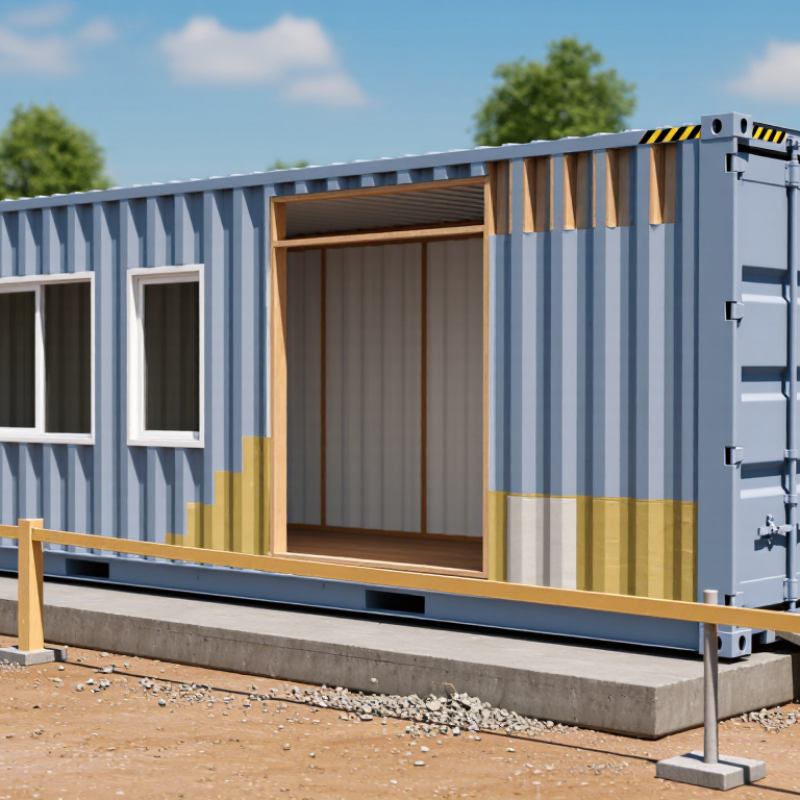
Next, fabricators mark openings and cut them carefully. New doorways or windows can weaken the shell, so frames and reinforcement are fitted to carry loads around each opening. The floor may need repair or sealing; electrical and plumbing routes are planned before wall linings hide the work. Insulation, ventilation, and condensation control also need attention. Easy to overlook. UNCTAD’s Review of Maritime Transport 2024 reported that global container fleet capacity grew 8.2% in 2023, but that fleet-wide figure does not mean every used unit suits conversion. Condition varies sharply. A clean-looking wall can conceal corrosion at a joint.

Finally, the converted unit is inspected for workmanship, weather tightness, and suitability for its intended service. Changes can affect structural performance and existing safety approvals, so qualified professionals should assess the design and any required recertification. Not every upgrade pays off. A larger window may brighten a room, but it also adds framing, sealing, and maintenance needs.

Sources: ISO 668:2020; UNCTAD, Review of Maritime Transport 2024.

Common Types of Converted Containers

What Is a Converted Container?

Common Types of Converted Containers

Converted containers are standard freight units adapted for work, trade, or living spaces. The common types include site offices, retail kiosks, accommodation units, workshops, and cold rooms. Each serves a different purpose. An office may need insulated walls, windows, lighting, and ventilation, while a kiosk may need a counter hatch and weather cover. Accommodation units often require plumbing, partitions, and suitable fire-rated materials. Small details matter.

UNCTAD’s Review of Maritime Transport 2024 reports that global container port throughput reached 858.9 million TEUs in 2023, up 2.4% from 2022. That figure describes port activity, not the number of containers suitable for conversion.

Workshops and storage units often need reinforced floors, secure doors, and carefully placed vents. Refrigerated containers can be adapted as cold rooms, but their cooling equipment, insulation, and power supply must match the intended use. High-cube units provide extra interior height, which can help with shelving or overhead services. Still, usable space depends on the fit-out: insulation and interior linings reduce the original dimensions. A common planning mistake is choosing by outside appearance alone. Check the container’s condition, intended occupancy, climate, and site access before specifying alterations. Even a neat-looking unit can need substantial work.

Typical Uses Across Industries

What Is a Converted Container?
Typical Uses Across Industries

A converted container is a cargo container adapted with doors, insulation, windows, wiring, or interior fittings. Its steel shell provides a sturdy starting point, but the finished space depends on careful design. Small details matter. Ventilation, drainage, and safe electrical work should be planned before equipment arrives.

Across construction sites, converted units serve as temporary offices, meeting rooms, tool stores, and staff facilities. A site manager might add a desk, task lighting, and a lockable cabinet while keeping the exit clear. In agriculture, insulated containers can support storage for seeds, feed, or produce when temperature and humidity suit the goods. Retailers and event teams use fitted containers as ticket booths, pop-up shops, or service counters. Utilities and maintenance crews may set up workshops with benches, shelving, and secure equipment storage.

Healthcare and education settings can use converted units for outreach rooms, teaching space, or administrative capacity. These uses call for thoughtful access, cleanable surfaces, good lighting, and climate control. Weather resistance alone does not make a container suitable. Site access, foundations, local conditions, and intended occupancy all affect performance. A polished drawing can still miss how a door interrupts daily work, so plans should reflect real tasks and movement through the space.

What Is a Converted Container? Typical Uses Across Industries

A converted container is a shipping container adapted for a new purpose, often with features such as doors, windows, insulation, or interior fittings. The chart compares common container lengths—not how frequently each use occurs. Examples include site offices and workshops for construction, pop-up shops and cafés for retail and hospitality, and classrooms or community spaces for education and public services. Actual dimensions can vary by manufacturer.

Key Benefits and Practical Limitations

A converted container is a cargo unit adapted for uses such as a studio, site office, or storage room. Its modular steel shell can be transported before conversion, which may simplify delivery to a suitable site. With planned openings, insulation, wiring, and ventilation, it can become useful space relatively quickly. Reuse may reduce demand for new structural materials, though transport and fit-out also affect the overall environmental impact. The advantages are practical, not automatic.

The limitations are easy to underestimate.

Steel conducts heat, so inadequate insulation can leave rooms uncomfortable in hot or cold weather. Moisture may collect behind wall panels when ventilation is poor. Cutting large openings can weaken the structure unless they are properly reinforced. Insulation, lining, and services also shrink the already narrow interior. Delivery requires clear access, lifting equipment, and a stable, level base. Approval and utility requirements vary by location and intended use. Details matter. A tidy plan can still miss leaks, corrosion, or awkward cable routes; regular checks help catch problems before repairs grow.