
Top 10 Custom Shipping Container Builders Worldwide?
Choosing among the world’s custom shipping container builders requires more than comparing attractive photographs. A reliable builder must combine structural knowledge, precise fabrication, practical design, and consistent project communication. This guide introduces ten respected companies serving different markets and project types. Their work may include modular offices, retail units, accommodation spaces, workshops, and specialized commercial facilities.
Details matter. A strong evaluation considers steel condition, insulation methods, ventilation, electrical planning, door placement, weather protection, and delivery support. It also examines how clearly each builder explains materials, lead times, certifications, maintenance needs, and site preparation. Experienced manufacturers usually provide drawings, realistic specifications, and transparent limitations before production begins. That approach reduces costly surprises.
No ranking is flawless. A company suitable for a compact café may not fit a large institutional project. Regional shipping costs, climate, local building requirements, and installation access can change the final decision. Even an impressive portfolio may hide practical weaknesses. Look closely.
The selected custom shipping container builders are discussed through an evidence-based lens, using craftsmanship, industry experience, customer confidence, and service capability as key criteria. Some firms may excel in design flexibility, while others offer stronger engineering support or faster standard production. Readers should verify current information directly with each builder before signing a contract. Good planning starts with clear questions, not polished promises.
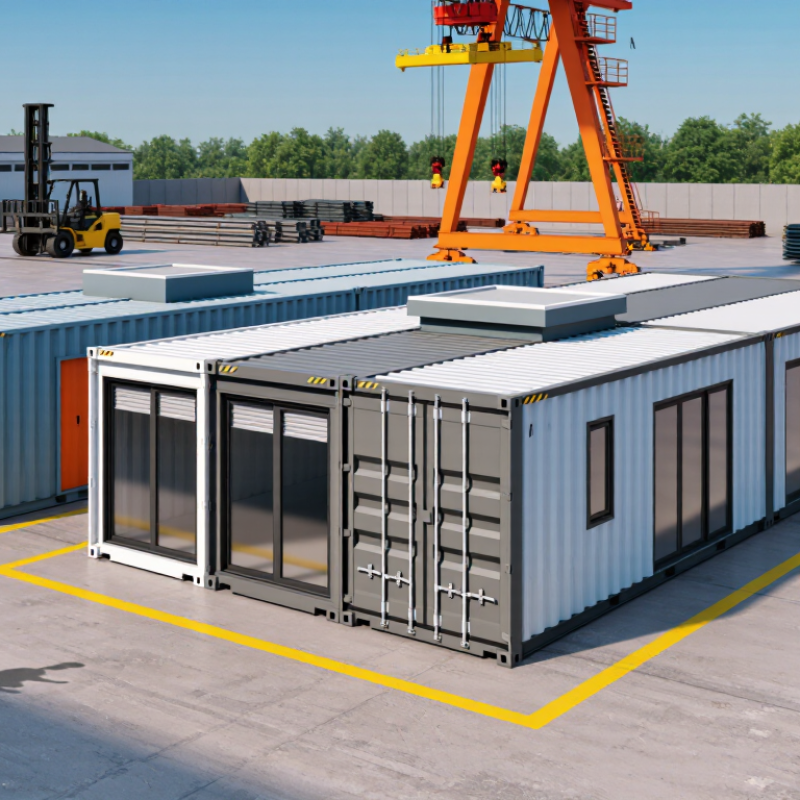
Table of Contents
[Hide]
What Custom Shipping Container Builders Do
Top 10 Custom Shipping Container Builders Worldwide?
Custom shipping container builders transform standard steel units into practical spaces. Their work may include offices, workshops, retail rooms, accommodation units, and secure storage areas. A reliable builder begins with the site, not a catalogue. They check access roads, ground conditions, climate, local permits, and expected daily use. This prevents expensive changes after delivery.
Builders usually cut openings, reinforce walls, install doors, add insulation, and route electrical systems. They may also fit plumbing, ventilation, lighting, flooring, and fire-resistant materials. Good technical teams provide drawings, load calculations, material specifications, and installation guidance. Ask how they protect cut edges from corrosion. Ask who inspects welds and verifies lifting points. These details often separate a durable conversion from a rushed one.
Tips: Request a clear scope before production starts. Include dimensions, insulation targets, power requirements, delivery limits, and maintenance duties. Visit a completed project if possible. Check seals around doors and windows carefully. Small gaps become large problems in wet weather. Also, leave room for revision. My experience with project planning suggests that early assumptions are often wrong, especially about ventilation and equipment space. A builder who welcomes questions is usually easier to trust than one promising instant perfection. Safety documentation, transparent pricing, and realistic delivery schedules matter more than attractive computer images.
Top 10 Custom Shipping Container Builders Worldwide? - What Custom Shipping Container Builders Do
| Rank | Builder Profile | Typical Market | Common Container Formats | Main Customization Work | Typical Applications | Key Technical Focus |
|---|---|---|---|---|---|---|
| 1 | Modular Office Builders | Worldwide construction and infrastructure markets | 20-foot and 40-foot dry containers | Personnel doors, windows, partitions, electrical systems, lighting, flooring, and HVAC | Site offices, project cabins, security rooms, and temporary administration spaces | Structural reinforcement, weatherproofing, fire safety, and workplace ventilation |
| 2 | Residential Conversion Builders | Urban, rural, and remote housing projects | Single 20-foot or 40-foot units and multi-container modules | Insulation, interior lining, kitchens, bathrooms, plumbing, doors, windows, and utilities | Tiny homes, guest units, workforce accommodation, and emergency housing | Condensation control, thermal performance, local building regulations, and safe egress |
| 3 | Retail and Food-Service Builders | Commercial, hospitality, and outdoor venue markets | 20-foot and 40-foot containers, often joined side by side | Serving windows, counters, canopies, extraction systems, refrigeration, sinks, and food-grade finishes | Cafés, kiosks, pop-up shops, bars, kitchens, and ticket booths | Hygiene, drainage, electrical loading, ventilation, and customer accessibility |
| 4 | Healthcare and Laboratory Builders | Medical, public-health, and research facilities | 20-foot, 40-foot, and high-cube containers | Cleanable wall systems, medical gases, specialist ventilation, handwashing stations, and controlled access | Clinics, vaccination rooms, testing laboratories, pharmacies, and isolation spaces | Infection control, air changes, washable surfaces, backup power, and regulatory approval |
| 5 | Education and Community-Facility Builders | Schools, municipalities, charities, and community organizations | 20-foot and 40-foot units configured as single or connected rooms | Classroom layouts, accessible ramps, washrooms, lighting, acoustic treatment, and storage | Classrooms, libraries, training rooms, childcare units, and community offices | Occupant safety, accessibility, daylight, acoustics, and local education standards |
| 6 | Industrial and Workshop Builders | Manufacturing, mining, utilities, and maintenance sectors | 20-foot, 40-foot, and high-cube containers | Workbenches, tool storage, cable entry points, ventilation, lifting points, and reinforced floors | Workshops, tool rooms, maintenance units, control rooms, and equipment shelters | Load capacity, corrosion protection, machine clearance, electrical safety, and hazardous-area requirements |
| 7 | Energy and Utility-Module Builders | Renewable energy, telecommunications, and utility infrastructure | 20-foot and 40-foot containers, including high-cube units | Cable management, battery ventilation, switchgear mounting, louvers, fire systems, and access control | Battery rooms, inverter shelters, generator enclosures, substations, and communication hubs | Heat management, fire separation, water ingress protection, electrical clearances, and remote monitoring |
| 8 | Event and Exhibition Builders | Events, festivals, exhibitions, and sports venues | 20-foot and 40-foot containers designed for repeated deployment | Fold-out walls, display systems, branding surfaces, lighting, stairs, decks, and service counters | Pop-up retail, exhibition booths, backstage rooms, ticketing, and hospitality units | Fast installation, transportability, crowd safety, weather resistance, and modular reconfiguration |
| 9 | Cold-Storage and Refrigerated-Unit Builders | Food distribution, pharmaceuticals, agriculture, and logistics | Refrigerated containers and insulated dry containers | Temperature controls, insulated access doors, shelving, monitoring sensors, and hygienic interior finishes | Cold rooms, pharmaceutical storage, food preparation, and controlled-temperature warehouses | Thermal continuity, drainage, temperature logging, power reliability, and sanitation |
| 10 | Marine and Coastal-Environment Builders | Ports, islands, coastal construction, and offshore support | Corrosion-protected 20-foot and 40-foot containers | Marine coatings, sealed openings, raised floors, lifting points, ventilation, and salt-resistant hardware | Site accommodation, storage, workshops, pump rooms, and coastal service facilities | Corrosion resistance, wind loads, water ingress protection, anchoring, and lifting safety |
Note: Custom shipping container builders typically modify ISO container shells or combine multiple units to create transportable buildings, equipment rooms, workspaces, storage facilities, and specialized enclosures. Final design requirements depend on local building codes, intended use, climate, transport method, and site conditions.
Related Posts
-
2026 Top Custom Built Shipping Containers for Global Buyers
-
Top 10 Custom Shipping Container Builders for Your Next Project
-

Top 10 Custom Containers for Your Business Needs?
-
China Best Custom Cargo Containers for Your Shipping Needs?
-
What Are the Benefits of Custom Made Containers for Your Needs?
-
China Top 10 Shipping Container Fabrication Companies You Should Know?

© 2023 Integrated Modular Solutions. All Rights Reserved