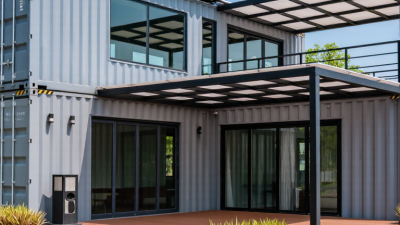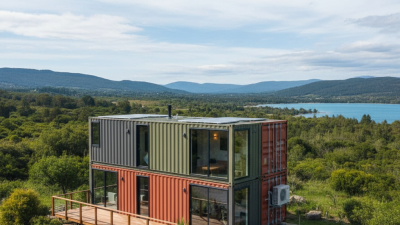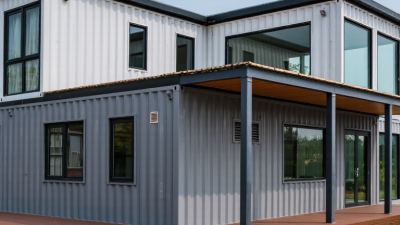
Buying a shipping container home can seem straightforward: choose a container, add windows, and plan the interior. In reality, the purchase involves more decisions than the photos suggest. To buy shipping container home units wisely, compare the container’s condition, delivery costs, intended use, and the requirements for your building site. A low advertised price may not include transport, foundations, insulation, or modifications.
Start by defining what you need. A small studio, a full-time residence, and a backyard workspace have different demands. Ask the seller for the container’s age, prior use, dimensions, and any repair records. Request clear photos of the roof, corner castings, doors, and floor. Look for rust, dents, leaks, and doors that do not close smoothly. Small details matter. If possible, inspect it in person or hire a qualified professional to assess its condition before paying a deposit.
Then confirm that the home can work on your property. Local planning and building requirements vary, so check with the relevant authorities before ordering. A container that fits the lot may still need approved plans, safe access, and suitable foundations. Delivery also needs practical attention: measure the driveway, overhead clearance, and turning space. These checks can feel tedious. They are cheaper than discovering a problem after the container arrives.
A reliable buying plan includes a written quote, a clear delivery schedule, and a realistic budget for conversion. Include insulation, ventilation, electrical and plumbing work, and contingency funds. Prices and condition vary, so avoid relying on a single seller’s estimate. Some costs are easy to overlook. Careful questions, documented details, and independent advice help you make a more informed choice—and leave room to rethink the design before construction begins.
Start by defining how you will use the home. A weekend cabin has different needs from a full-time residence. List the rooms, approximate square footage, storage needs, and number of occupants. Think about daily routines, too: where will groceries enter, and where can wet boots dry? Decide whether you want a ready-made unit or a custom conversion. Each option affects delivery, site work, and your budget.
Next, check the land before choosing a container. Confirm that residential use is allowed and ask the local planning and building offices which permits apply. Requirements can cover foundations, insulation, ventilation, fire safety, utilities, and structural changes. Get guidance in writing when possible; a friendly phone answer may not settle a permit question.
Plans change.
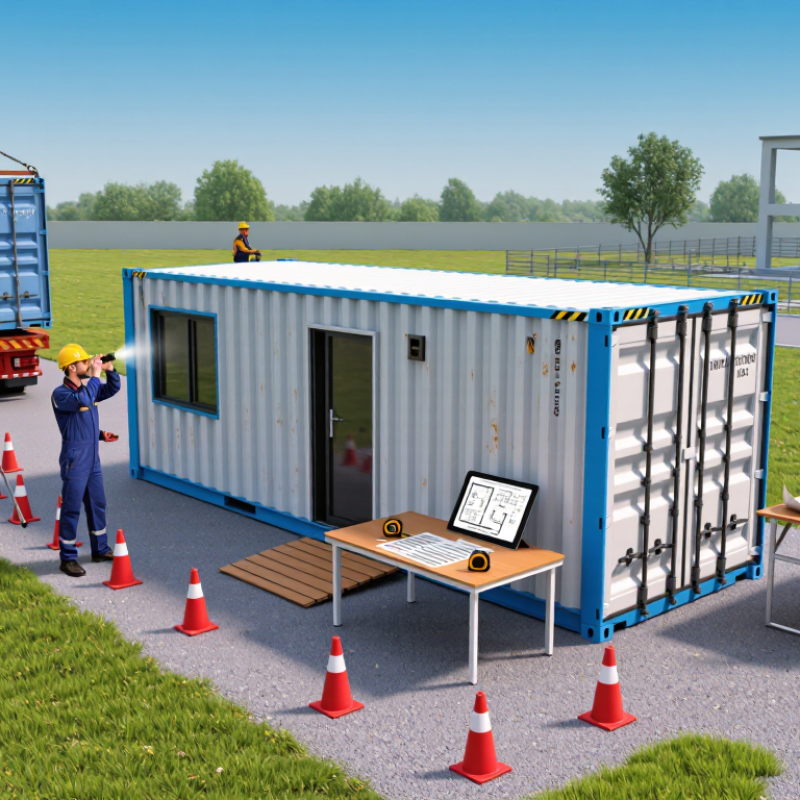
It is easy to overlook access. Make sure a delivery truck and crane can reach the site, especially on narrow roads or soft ground.
Ask about local climate requirements, including snow loads, strong winds, and moisture control. A steel shell can heat up quickly in summer and lose warmth in winter without suitable insulation. Confirm how added doors or windows affect the structure. Measure the building area, setbacks, driveway, and utility connections before paying a deposit. I would not assume a container is automatically cheaper than conventional construction. Site preparation and code upgrades can shift the estimate, and early figures are often incomplete.
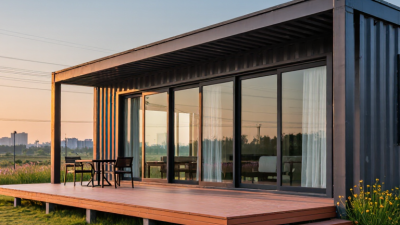
Choose the home type before pricing a container. A single-container layout suits a compact cabin or studio, but offers limited room for storage. Joining several containers creates wider spaces, though extra cutting and reinforcement can increase costs. Modular designs may arrive with more work completed, but still need careful delivery planning. Measure the intended rooms on paper. Then check doorways, furniture, and circulation space.
Site suitability can decide whether a design is practical. Confirm that a delivery truck can reach the plot and that a crane can safely unload the unit. A narrow lane, low branches, or soft ground may cause problems. Measure twice. Check the land’s slope, drainage, and soil conditions with qualified local professionals. Water pooling near the container can contribute to corrosion and moisture problems.
Also review local planning and building requirements before paying a deposit. Ask what foundation, insulation, ventilation, and utility connections the site needs. A container’s steel shell can heat quickly in sun and collect condensation in cold weather. Proper insulation and ventilation matter. The details are easy to underestimate. A drawing may look perfect, yet overlook the afternoon sun or a service connection. Revise the plan after a site visit, even if that means changing the container count or layout.
A shipping container home budget should cover more than the container’s asking price. Compare new and used units, but inspect condition carefully. Look for rust, dents, damaged flooring, and doors that do not seal. A low price can hide repair work. That adds up. Ask what the quoted price includes, and keep a written list of exclusions.
Delivery and setup can change the total quickly. Get a transport estimate based on your site address, access road, and container size. A narrow driveway or soft ground may require extra equipment or preparation. Then price the foundation, leveling, utility connections, insulation, and interior work separately. Local site requirements vary, so confirm them with qualified professionals before committing. Leave room. A contingency of around 10–15 percent can help absorb unexpected costs, though difficult sites may need more.
Tips: Compare itemized quotes, not headline prices. Check whether crane service, permits, site preparation, and utility work are included. Keep a simple spreadsheet with expected and actual costs. One easy mistake is treating setup as a small final step; it can become a major expense. Recheck your assumptions before paying a deposit.
A shipping-container home begins with the seller’s paperwork, not its paint. Ask for the container’s age, ownership record, repair history, and any available cargo or treatment records. UNCTAD’s Review of Maritime Transport 2024 reports 858.2 million TEU in global container-port throughput in 2023. That scale means listings vary widely; compare several sellers and inspect the actual unit before paying. A clean coat can hide patched steel. Check roof seams, corner posts, floor edges, and door seals for rust, leaks, soft spots, or distortion.
Tips: Photograph each wall and roof after rain, test both doors, and record measurements. Have a qualified inspector assess corrosion and previous repairs. A CSC plate or transport history does not certify a container as suitable housing. New window and door openings can weaken its structure, so ask a structural engineer to review the conversion plan before cutting steel.
Match specifications to the site and daily use: interior height, insulation, ventilation, plumbing routes, electrical capacity, and foundation design. Confirm the quoted price includes delivery, lifting, and any stated modifications. Ask for drawings that show finished—not exterior—dimensions; insulation and wall linings reduce usable space. I would still leave room for surprises. Specifications often look simpler on paper.
| Evaluation area | What to verify | Useful evidence or benchmark | Warning signs | Buyer action |
|---|---|---|---|---|
| Seller reliability | Confirm the seller’s legal identity, business address, contact details, and experience delivering comparable projects. | A written contract, verifiable project references, a detailed scope of work, and clear responsibility for permits, transport, installation, and warranty service. | Unverifiable references, pressure to pay in full before work begins, or promises that local approvals are guaranteed without checking the site and jurisdiction. | Check references independently and compare the contract with the quote before paying a deposit. |
| Quote and payment terms | Check whether the price includes the container, conversion work, insulation, windows, foundation, delivery, crane or unloading, utility connections, taxes, and permit-related services. | An itemized quote that identifies exclusions, payment milestones, change-order rules, completion dates, and remedies for delays or defects. | A low headline price with major exclusions or vague terms for transport, site work, and installation. | Request a total project estimate that accounts for site-specific work, not only the container or finished unit. |
| Container history and grade | Ask whether the unit is new or used, how it was used and maintained, and what the seller means by terms such as “one-trip,” “cargo-worthy,” or “wind and watertight.” | Written grade definitions, the container identification number, dated photographs, and maintenance or repair records where available. Grade terminology can vary between sellers. | A grade label presented as a substitute for an inspection or as proof that the container is suitable for residential use. | Make the agreed condition and any repair requirements part of the purchase contract. |
| Physical condition | Inspect the roof, floor, doors, corner castings, frame, seams, and repaired areas for leaks, corrosion, distortion, soft spots, or damaged components. | A recent in-person inspection or independent inspection report, plus clear photos of the roof, underside, interior, and all sides. | Fresh paint concealing damage, standing water, doors that do not operate properly, or undocumented structural repairs. | Inspect before purchase when practical; otherwise, make acceptance subject to inspection on delivery. |
| Safety and prior use | Ask about previous cargo, floor treatments, spills, odors, and any cleaning or remediation performed. Check the floor and interior for signs of contamination. | Available history, material information, and remediation records. A CSC plate relates to transport safety and does not certify residential safety or building-code compliance. | Persistent chemical odors, unexplained stains, or refusal to disclose known history or repairs. | If there is a concern about hazardous substances, pause the purchase and seek qualified testing or professional advice. |
| Size and usable space | Confirm the exact external and internal dimensions, door opening, finished ceiling height, and room layout after insulation and interior finishes. | Common nominal lengths include 20 ft and 40 ft; a high-cube unit is about 1 ft taller externally than a standard-height unit. Actual dimensions vary by container and manufacturer. | Floor plans based only on external dimensions or no allowance for insulation, framing, and service runs. | Request measured drawings for the specific unit and review the finished internal layout before approving plans. |
| Conversion and structural design | Review the locations and sizes of openings, reinforcement details, roof and floor design, and how the home will be supported and anchored. | Project-specific drawings and calculations prepared or reviewed by qualified professionals, as required by local rules and site conditions. | Large wall openings or stacked units with no documented reinforcement or engineering review. | Have structural changes and foundations reviewed for the intended design, site, and applicable building requirements. |
| Insulation, moisture, and ventilation | Check insulation type and thickness, thermal-bridge treatment, air sealing, vapor-control strategy, ventilation, and protection against condensation. | Written specifications for the local climate, product details, and a plan for mechanical ventilation where required by the design or code. | No stated insulation performance, untreated metal framing, or no explanation of how moisture will be managed. | Ask a building professional to review the complete wall, roof, and floor assemblies for the local climate. |
| Utilities and finish specifications | Define electrical, plumbing, heating and cooling, water heating, kitchen and bathroom fixtures, appliances, and finish materials. | A fixture and materials schedule, equipment specifications, installation scope, and clear statements of what is supplied versus owner-provided. | Generic terms such as “fully equipped” without models, performance details, or a list of included items. | Attach the approved specifications to the contract and document substitutions in writing. |
| Site, permits, and delivery | Check zoning, building and utility approvals, access roads, overhead clearance, turning space, crane placement, foundation needs, and delivery limits. | Confirmation from the relevant local authorities and a site-specific delivery plan that accounts for the route, unloading equipment, and ground conditions. | Assumptions that a container home is automatically permitted or that delivery access can be resolved after purchase. | Verify local requirements and site access before ordering; rules differ by location and project. |
| Warranty and handover | Clarify warranty duration and coverage for workmanship, components, leaks, corrosion, and transport damage, as well as exclusions and claim procedures. | A written warranty, inspection and punch-list process, operating manuals, and records for installed equipment and approved changes. | Verbal warranty promises, unclear exclusions, or no process for documenting defects at handover. | Record the unit’s condition at delivery and resolve outstanding items in writing before final payment where the contract allows. |
Before paying a deposit, review the contract line by line. It should specify the container’s condition, dimensions, insulation, modifications, delivery date, and what happens if work is delayed. Ask for an itemized payment schedule tied to clear milestones, such as fabrication, dispatch, and installation. Keep it written. It is easy to focus on the container price; that is not always the right first question. Confirm who pays for crane hire, transport permits, site preparation, and unexpected access problems.
Plan delivery with measurements, not guesses. Check the route for narrow gates, overhead wires, soft ground, and turning space for a truck. McKinsey’s 2019 modular-construction report estimates that modular building can shorten project timelines by 20–50% and reduce costs by up to 20%. These are broad industry estimates, not guarantees for a container home. Delivery and site work can still add delays and expense. Agree on a site-readiness checklist, installation responsibilities, and a process for documenting damage before signing acceptance.
Tips: Photograph the site and container on delivery. Measure the access route twice. Ask the supplier to confirm the unloading method in writing. If a quote seems unusually simple, pause and ask what it excludes.