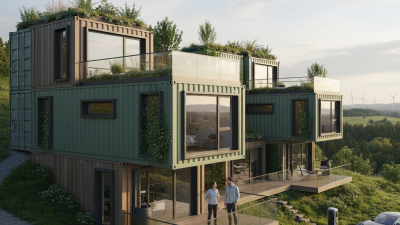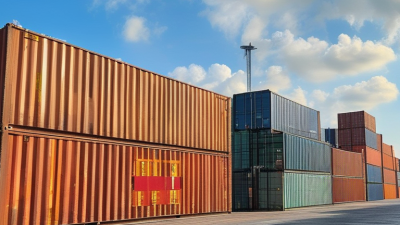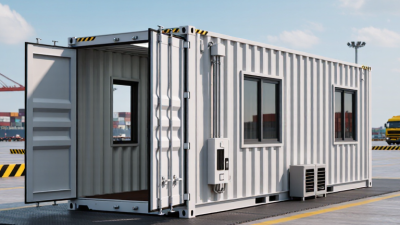
China Top 10 Modular Container Building Manufacturers

China has become an important sourcing market for modular construction, with manufacturers offering container-based offices, worker accommodation, classrooms, clinics, and retail units. This guide to China’s top 10 modular container building manufacturers is intended to help buyers compare suppliers, not present a universal ranking. Company capabilities and product ranges can change, so verify current information directly.

A useful comparison looks beyond price and polished renderings. Ask about steel specifications, corrosion protection, insulation thickness, fire-performance documentation, electrical and plumbing layouts, and how modules connect on site. A real factory tour, recent project references, and clear inspection records can reveal more than a brochure. Details matter. For a project near the coast, for example, coatings and drainage deserve close attention; for a cold region, wall and roof insulation affect comfort and operating costs. Confirm transport dimensions, installation responsibilities, warranty terms, and the scope of after-sales support before placing an order.

The best manufacturer depends on the project, location, schedule, and required level of customization. Some suppliers may excel at repeatable standard units, while others handle more tailored designs; neither is automatically the right choice. A neat catalog can hide practical limitations, and a low quotation may exclude important work. Treat this list as a starting point, request comparable technical proposals, and check that claims match project records and product documents. That extra care makes it easier to select modular container buildings that fit real site conditions, rather than relying on appearance alone.
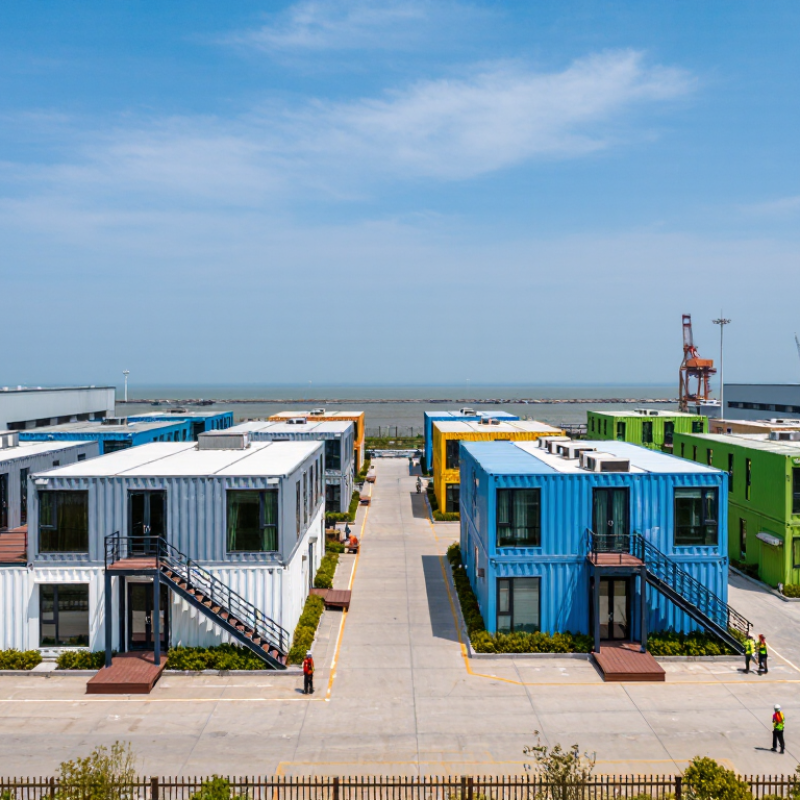
China Top 10 Modular Container Building Manufacturers

Understanding Modular Container Buildings and Their Main Uses

Modular container buildings are structures assembled from prefabricated units, often based on steel frames and wall panels. Modules are made off-site, then transported and connected at the chosen location. Their dimensions can support uses ranging from compact offices to classrooms, clinics, staff accommodation, and site facilities. Interior layouts may include doors, windows, lighting, plumbing, and insulation. That matters. A finished unit should suit its climate and daily workload, not just look complete in a product photo.

Their main appeal is speed and flexible space. A project team might connect several units to create a larger work area, or relocate a smaller building when needs change.

For example, an office module needs safe electrical systems, adequate ventilation, and room for desks and circulation. Accommodation needs more attention to privacy, heating, cooling, and moisture control.

The trade-off is easy to underestimate: transport access, foundations, utility connections, and local building requirements can affect cost and schedule. Container-based does not mean maintenance-free. I would also question any plan that treats insulation as an optional extra; cold surfaces and condensation can make a tidy interior uncomfortable. A site assessment helps match the module design to real conditions.

How China’s Modular Container Building Industry Is Organized

China’s modular container building industry is organized around a network of specialized suppliers, fabricators, and project teams. Steel processors provide frames, while panel makers supply insulated walls, floors, and roofs. Not every factory handles the full process.

Module manufacturers turn these components into transportable units, adding doors, windows, wiring, and plumbing to match project specifications. Some focus on standardized site offices or worker accommodation; others build customized classrooms, clinics, and retail spaces. Design and engineering teams coordinate dimensions, structural loads, fire performance, and utility connections before production begins. Small details matter. A misplaced service opening can complicate installation later.

Logistics providers and on-site contractors complete the chain. They plan lifting, transport, foundations, and connections between modules, which may come from different production facilities. Quality checks should cover both factory work and the finished assembly, since neat welds alone do not guarantee a comfortable, weather-tight building. The industry can be fragmented, and communication between suppliers is not always smooth. That is a practical weakness worth checking, not glossing over. For buyers comparing manufacturers, clear drawings, material records, inspection procedures, and installation responsibilities reveal how well each part of the system is coordinated.

Criteria for Evaluating Leading Chinese Manufacturers

Assess Chinese modular container building manufacturers through documented performance, not showroom photographs. Request factory audit records, weld inspection results, dimensional tolerances, and fire and thermal test reports. Small details matter. Door frames should stay square after transport, while floor joints must resist water pooling. Ask for traceable material certificates and a clear process for correcting defects before shipment.

McKinsey’s 2019 report, Modular construction: From projects to products, estimates schedule reductions of 20–50% for modular methods. It also reports potential cost reductions of up to 20%. These are project-level possibilities, not promises. Compare completed projects with your climate, occupancy, and installation conditions. Ask for measured delivery accuracy and on-site rework rates, rather than relying on broad claims.

Context matters. The World Economic Forum’s 2016 Shaping the Future of Construction report estimated construction productivity growth at about 1% annually over two decades, compared with 2.8% across the wider economy. Use this gap to probe production planning, digital coordination, and workforce training. Check warranties, spare-part availability, and post-installation support in writing. Paperwork can look complete and still leave gaps. Vague answers deserve scrutiny, even when sample units look polished.

Profiles of 10 Notable Modular Container Building Manufacturers in China

China’s modular container-building manufacturers differ more in production discipline than in brochure claims. The profiles below are anonymous capability types, not a verified ranking of named firms. McKinsey’s 2019 report, “Modular construction: From projects to products,” estimates that modular methods can cut project schedules by 20–50% and costs by up to 20% under suitable conditions. These are broad industry estimates, not guarantees for Chinese suppliers or every site. Check factory records, weld inspections, delivery terms, and how the maker handles water ingress after installation. Small details matter.

The ten profiles cover an export-focused flat-pack producer; a heavy-steel frame specialist; a rapid-assembly supplier; a custom façade maker; and a multi-storey module fabricator. Others focus on remote-site accommodation, integrated bathrooms and wiring, lower-impact materials, turnkey compounds, or refurbishment and reuse. Look for practical evidence: consistent corner-casting dimensions, clear coating specifications, and sample inspection reports. Ask how modules perform in local wind, rain, and temperature conditions. A polished sample unit can hide uneven production. Not every maker publishes comparable test data, so direct comparisons remain imperfect. That uncertainty deserves attention.

China Top 10 Modular Container Building Manufacturers - Profiles of 10 Notable Modular Container Building Manufacturers in China

The profiles below describe common product and application categories in China’s modular container building sector. They are anonymized and are not rankings or company-specific claims. Actual specifications, certifications, and available options vary by manufacturer and project.

Profile Common Product Focus Typical Applications Module and Layout Options Project Considerations
Profile 1 Flat-pack container buildings Temporary offices, site accommodation, and storage-related facilities Knock-down components assembled on site; layouts can combine multiple modules Confirm packing method, assembly labor, foundation requirements, and local building-code compliance
Profile 2 Detachable container buildings Construction-site offices and worker facilities Frame and enclosure components designed for transport and on-site assembly Check connection details, weather sealing, transport dimensions, and installation scope
Profile 3 Shipping-container-based buildings Offices, workshops, retail units, and accommodation Projects may use 20-foot or 40-foot shipping-container formats; openings and internal layouts require design coordination Verify container condition, structural modifications, insulation, and applicable transport or building standards
Profile 4 Expandable container houses Temporary housing, remote-site accommodation, and small residential projects Fold-out or extendable sections increase usable floor area after deployment Confirm deployed dimensions, folding mechanisms, utility connections, and local residential requirements
Profile 5 Prefabricated modular room units Classrooms, dormitories, clinics, and administrative space Repeated room modules can be arranged in single- or multi-storey configurations, subject to engineering design Review fire strategy, accessibility, structural design, and mechanical, electrical, and plumbing coordination
Profile 6 Turnkey container accommodation Worker camps and temporary lodging projects Layouts may combine bedrooms, washrooms, dining, and shared-service areas Clarify furniture, appliances, utility capacity, sanitation systems, and commissioning responsibilities
Profile 7 Container-based commercial spaces Pop-up shops, cafés, ticket booths, and exhibition spaces Custom door, window, counter, and façade configurations can be designed for the intended use Check public-use, fire-safety, sanitation, signage, and site-permit requirements
Profile 8 Industrial and utility container modules Equipment rooms, control rooms, workshops, and service enclosures Layouts are planned around equipment access, ventilation, cable routing, and maintenance clearances Specify equipment loads, heat output, acoustic needs, hazardous-area requirements, and service access
Profile 9 Modular steel-frame buildings with container-style layouts Larger offices, accommodation blocks, and multi-room facilities Steel framing supports configurable spans and room arrangements; design depends on site and engineering requirements Request project-specific structural calculations, connection details, and corrosion-protection specifications
Profile 10 Custom modular container projects Remote facilities, emergency-use buildings, and mixed-purpose developments Module types and layouts are tailored to site access, transport limits, and project brief Assess design approvals, shipping and installation plans, climate conditions, and after-sales support

Comparing Product Range, Customization, Quality, and Delivery

Comparing China’s top modular container building manufacturers takes more than reviewing catalog photos. Product range matters: some suppliers focus on site offices and guard cabins, while others offer dormitories, clinics, classrooms, or multi-unit buildings. Ask whether standard modules can be linked, stacked, or adapted for plumbing and electrical systems. A floor plan is useful. A measured plan is better.

Customization should be specific, not just a promise. Request drawings that show door positions, window sizes, insulation thickness, and service routes. Check how design changes affect cost and production time. A steel-frame sample or finish swatch can reveal more than polished images. Small details matter.

Quality depends on documented checks and clear material specifications. Ask how frames are inspected, how wall panels are sealed, and what records accompany completed units. Delivery deserves the same scrutiny. Confirm packing methods, loading plans, transport assumptions, and who coordinates installation at the destination. A quoted lead time may exclude design approval or site preparation, so ask what starts the clock. Comparisons are imperfect; even careful buyers can overlook a detail, such as crane access or the space needed to unload a module.