
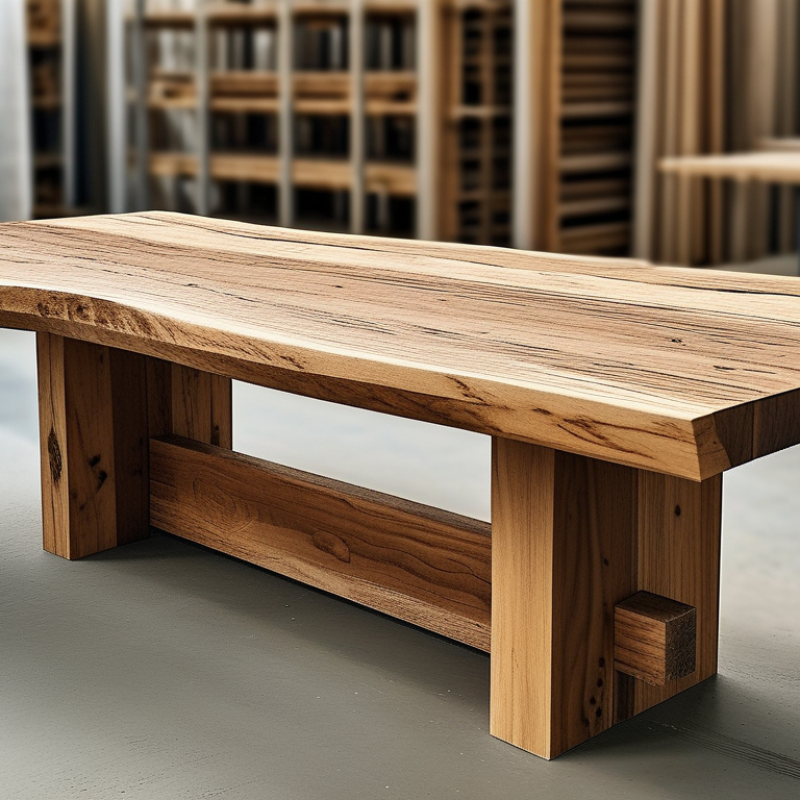
Why Choose Wooden Furniture for Global Sourcing?
Wooden furniture can offer warmth, repairability, and long service life, but buyers must verify more than appearance. Inspect kiln-dried boards for stable moisture content suited to the destination climate. Excess moisture may cause swelling, mold, or loose joints during shipping. A clear material specification should identify the wood species, panels, adhesives, coatings, and hardware. Traceable sourcing records also help confirm that timber was harvested through legal and responsible channels.
Safety checks should match the product’s use and market. Test chairs, tables, beds, and storage units for load strength, stability, sharp edges, and entrapment risks. Children’s furniture needs stricter attention to tip-over resistance and small detachable parts. Coatings and adhesives should meet applicable limits for formaldehyde, lead, and other restricted substances. Ask for recent reports from competent, independent laboratories, not only factory declarations.
Small details matter.
Compliance documents can look complete.
Buyers should review production samples, packaging, labels, inspection photos, and batch records together. A single perfect sample proves little if later batches use wetter wood or a different finish. Factory audits can examine moisture meters, sanding controls, ventilation, and corrective-action records. I have found that suppliers sometimes understand the standard but miss its testing method. That gap deserves a written checklist and follow-up inspection. Standards also vary by destination, so local regulatory advice remains necessary. A lower purchase price is rarely valuable when returns, recalls, or damaged stock follow.