Why Choose a Cargo Container House for Your Next Project?

Cargo container houses are gaining popularity in modern construction projects. According to industry reports, the global market for shipping container homes is expected to grow significantly, reaching over $73 billion by 2026. This trend reflects a shift towards sustainable and innovative building solutions.

One key advantage of a cargo container house is its affordability. Building with cargo containers can reduce costs by 30% compared to traditional construction methods. Additionally, containers offer durability and flexibility, allowing for creative designs. However, there are challenges. Proper insulation and ventilation are crucial to ensure comfort. Neglecting these aspects can lead to issues down the line.

Furthermore, the environmental benefits cannot be overlooked. Using repurposed containers reduces waste and minimizes the carbon footprint. Still, it is important to choose the right projects. Not every location is suitable for cargo container houses, and zoning regulations can vary significantly. Informed decisions and proper planning are essential for success in this innovative building approach.
Why Choose a Cargo Container House for Your Next Project?

Benefits of Cargo Container Houses in Sustainable Living

Cargo container houses are becoming increasingly popular in the realm of sustainable living. These unique structures repurpose shipping containers, which helps reduce waste and minimize the demand for new building materials. By utilizing existing containers, we can significantly lower our carbon footprint. Each container offers a strong, weather-resistant shell for a home, providing a durable option for housing in various climates.

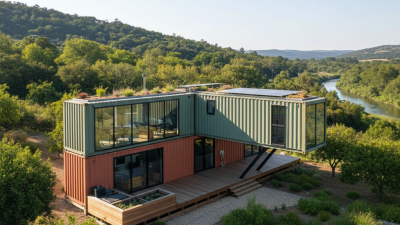
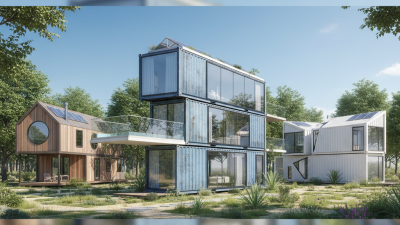
These homes also promote energy efficiency. Many container houses incorporate solar panels and energy-saving appliances. This results in lower utility bills and a smaller environmental impact. However, not every design is perfect. Insulation can be a challenge, as containers are made of metal. Proper design is necessary to ensure comfort year-round.

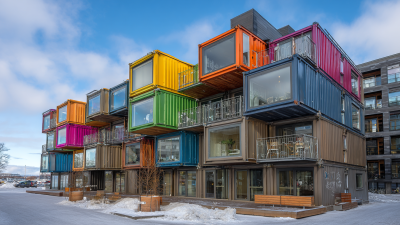
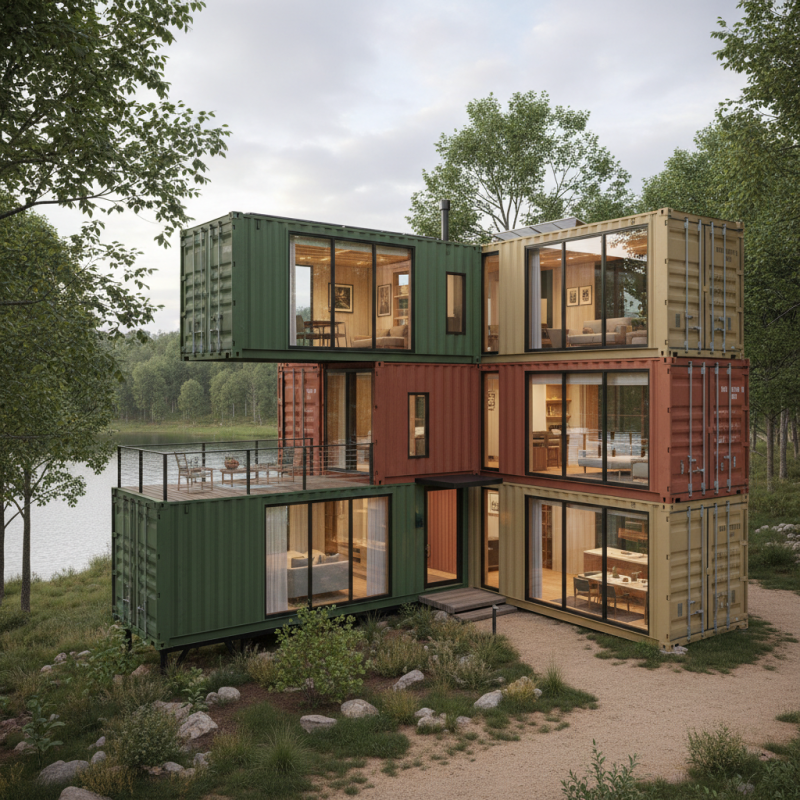
Additionally, cargo container houses can be quite versatile. They can be stacked or arranged in various configurations. This allows for creativity in design. Some communities have started to embrace container homes, fostering a sense of innovation. Yet, zoning regulations may pose obstacles. Not all areas recognize these structures as permanent homes. There is still ongoing debate about their place in urban development.
Cost-Effectiveness of Cargo Container Housing Solutions

Cargo container homes have emerged as a practical solution for those seeking cost-effective housing options. The initial investment is often much lower than traditional building methods. These containers are abundant and reusable, which drives down material costs. For anyone on a tight budget, this approach can be a game-changer. A basic cargo container can be transformed into a livable space at a fraction of the price of conventional homes.

Durability is another factor that makes container homes appealing. These structures are built to withstand harsh conditions. However, they do require waterproofing and insulation. It's crucial to consider these additional expenses. Furthermore, local building codes must be adhered to, which can complicate the project. Each transformation comes with unique challenges, and not all designs will meet every user's needs.

Thinking sustainably often contributes to the appeal of cargo container homes. By repurposing containers, homeowners reduce waste. Yet, it's important to evaluate environmental impacts thoroughly. Is it truly sustainable? Components like air quality and energy efficiency should not be overlooked. Creating a functional and comfortable space is key, but cost-effectiveness shouldn't overshadow these critical considerations.

Why Choose a Cargo Container House for Your Next Project? - Cost-Effectiveness of Cargo Container Housing Solutions

Aspect Traditional Housing Cargo Container Housing
Initial Cost $200,000 - $300,000 $50,000 - $150,000
Construction Time 6 - 12 months 2 - 4 months
Energy Efficiency Moderate High
Sustainability Low to Moderate High (recycled materials)
Customization Flexibility Low High
Transportation Challenging Easy

Design Flexibility and Customization Options

Why Choose a Cargo Container House for Your Next Project?

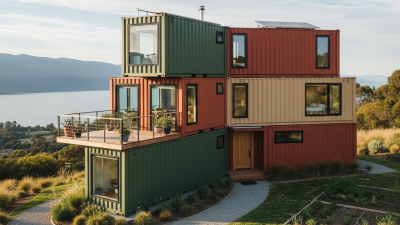
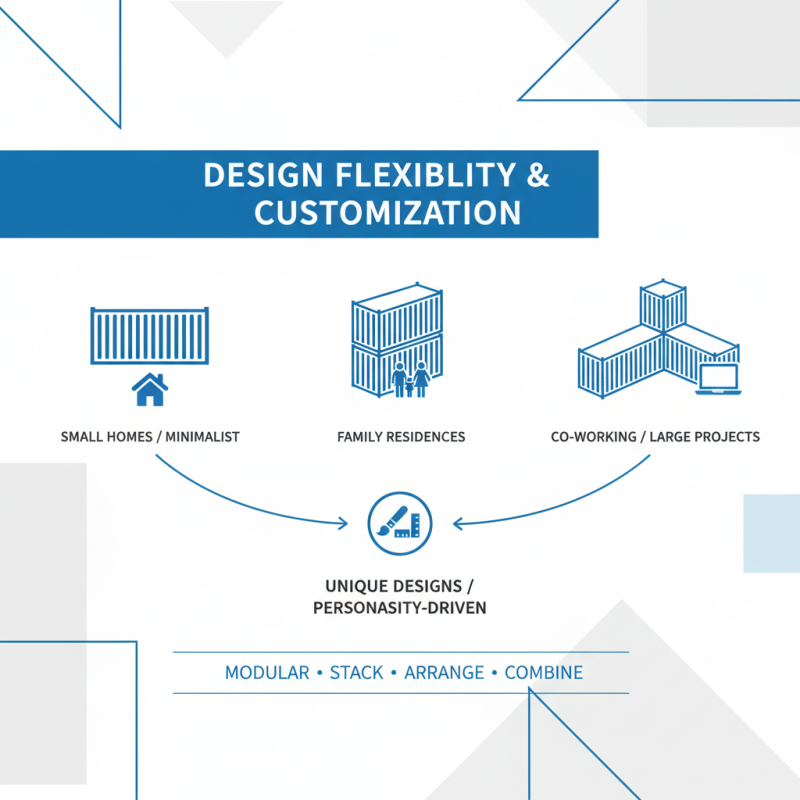
Cargo container houses offer remarkable design flexibility. Their modular nature allows for various configurations. You can stack, arrange, or combine them in numerous ways. This adaptability suits different styles and purposes. For instance, small homes can be created for minimalists. Larger projects can accommodate families or co-working spaces. Each design can reflect the owner's personality. This makes every project unique.

Customization options enhance the appeal further. Interior layouts can be adjusted easily to fit specific needs. Open floor plans encourage creativity in space use. Each container can feature windows, doors, or even interior staircases. Consider materials for insulation or aesthetics. Sustainable finishes can transform a simple shell into a cozy haven. Moreover, basic electrical and plumbing systems can be integrated for modern living.

Yet, this flexibility can lead to overcomplication. Planning may become overwhelming with too many choices. Balancing function and aesthetics can be challenging. Some homeowners might struggle to finalize their vision. Reflecting on these factors is vital before locking in a design. Taking time to visualize the potential helps create a truly personalized container home.

Durability and Longevity of Cargo Containers as Homes

Cargo container houses offer impressive durability. Made from steel, these containers can withstand harsh weather conditions. Their robust structure makes them resistant to fire, pests, and corrosion. This longevity is a key reason many choose them as homes.

When considering a cargo container for a new project, it’s essential to evaluate insulation needs. Proper insulation ensures energy efficiency and comfort. Additionally, look at ventilation systems. Good airflow prevents moisture buildup and keeps the space livable.

Not every container is perfect. Inspect for rust or structural damage before purchase. Understanding your local building codes is crucial, too. They can impact your project timeline and cost. A little forethought goes a long way in making your container home a great success.

Environmental Impact and Resource Efficiency of Container Homes

The rise of cargo container houses is gaining traction due to their positive environmental impact. According to a report from the Global Alliance for Sustainable Buildings, using a single shipping container can save up to 80% in materials compared to traditional building methods. This resource efficiency is crucial in a world facing serious climate challenges.

Container homes are inherently sustainable. They repurpose spent materials, reducing landfill waste. Construction of these homes emits fewer carbon emissions when compared to standard homes. A study by the American Institute of Architects noted that these structures can cut energy consumption by 50%. This can lead to a smaller ecological footprint over time.

Tip: Consider incorporating passive solar design principles. This can enhance energy efficiency in your container home. Another approach is to use eco-friendly insulation materials. Both options can further reduce your home's environmental impact.

Environmental Impact and Resource Efficiency of Container Homes