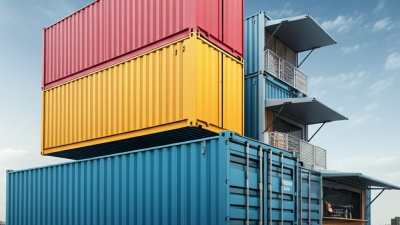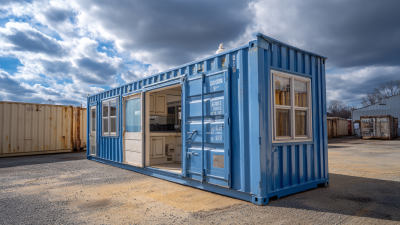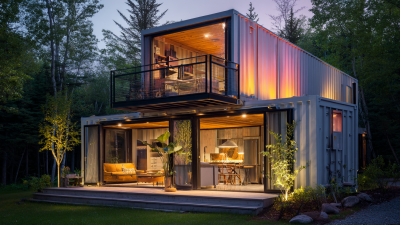
Custom sea containers have evolved far beyond their traditional purpose. Many people associate them solely with shipping and storage. However, the versatility of these containers opens up a world of creative and practical applications. From unique living spaces to innovative commercial solutions, custom sea containers are breaking boundaries.
Imagine transforming a shipping container into a stylish café or a modern home office. These containers are highly adaptable and can be modified to suit various needs. The trend of using custom sea containers is gaining traction among architects and entrepreneurs alike. They offer a sustainable alternative to conventional building materials. With minimal modifications, they can provide robust, temporary, or permanent structures.
While the potential is immense, there are still challenges to consider. Not all locations are suitable for container placement. Local regulations may affect usage too. Therefore, a thorough understanding of these factors is crucial. Despite these hurdles, the charm of custom sea containers continues to inspire innovative thinkers worldwide. Exploring their lesser-known uses could lead to exciting possibilities.
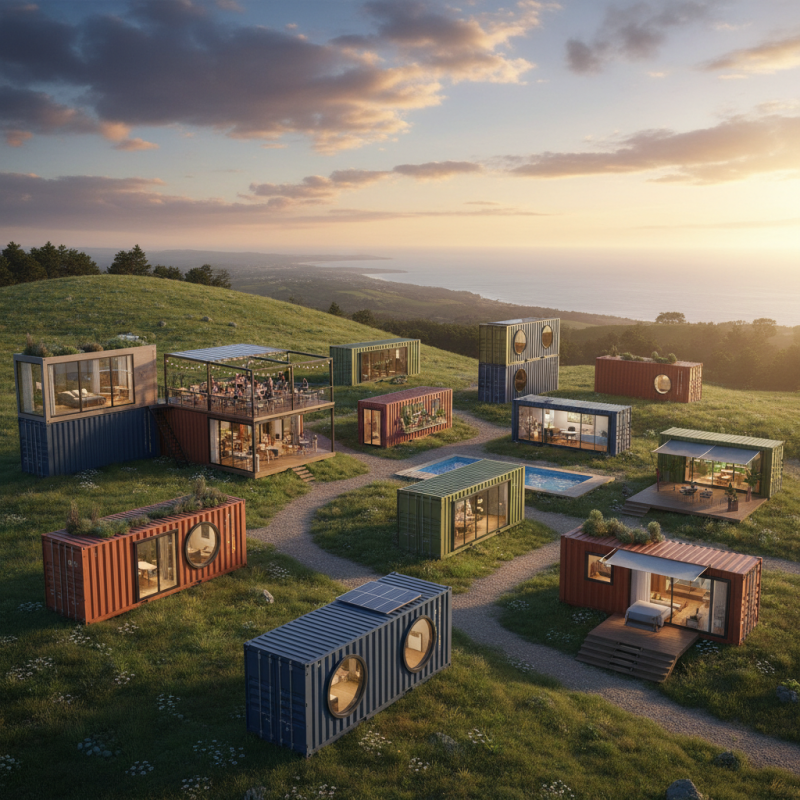
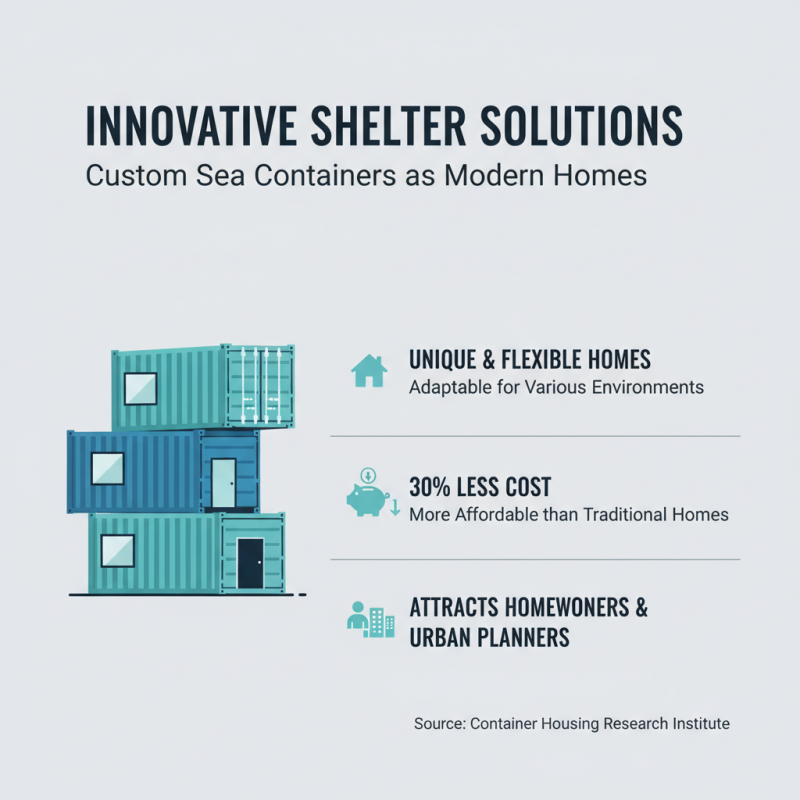
Custom sea containers are revolutionizing the concept of modern homes. They offer unique, flexible solutions for housing in various environments. A report by the Container Housing Research Institute indicates that container homes can be built for 30% less than traditional homes. This affordability attracts many homeowners and urban planners alike.
The versatility of sea containers is remarkable. They can be transformed into stylish, functional living spaces that reflect personal tastes. With proper insulation and design, they can provide comfort in extreme climates. However, many projects face challenges with zoning laws and permits. It's essential to research local regulations before committing.
Additionally, while sea containers are durable, potential issues can arise from rust and water leakage. Regular maintenance is crucial to ensure longevity. There’s also an aesthetic debate: some see containers as unappealing, preferring more traditional designs. The conversation around container homes highlights both their innovative potential and the need for careful consideration in their implementation.
Mobile retail spaces are changing how we shop. Transforming sea containers into unique stores offers flexibility and creativity. According to a report by IBISWorld, pop-up retail stores are a growing trend, contributing to over 4% of the retail market. These portable stores can be set up anywhere. This makes them an attractive option for brands seeking to engage consumers in new environments.
Containers provide a blank canvas for creativity. Retail designers can customize sizes, colors, and features. Some containers have been refurbished with eco-friendly materials, appealing to eco-conscious consumers. A survey by the National Retail Federation revealed that 73% of consumers enjoy shopping in unconventional spaces. However, the challenge lies in effective marketing. Many mobile retailers struggle to create a strong presence. They often need to invest in social media and community engagement to succeed.
Innovation in container retail must balance creativity and practicality. While some brands thrive, others may falter without careful planning. Sustainability is crucial as well. Pop-up stores can generate a lot of waste if not managed properly. Finding ways to make these stores eco-friendly remains an ongoing challenge. Tracking customer feedback is vital for success. This allows businesses to adapt and improve their offerings.
Custom sea containers are transforming office designs with a focus on sustainability and functionality. An estimated 45% of global greenhouse gas emissions come from buildings. Opting for repurposed sea containers helps reduce waste while creating efficient workspaces. These containers are often insulated, enabling energy-efficient heating and cooling systems that reduce energy consumption by up to 30%. Many businesses are choosing this innovative approach, demonstrating a growing trend in eco-friendly architecture.
The versatility of shipping containers allows for creative office layouts. They can be stacked or grouped, providing flexible environments that adapt to changing needs. A study by the World Green Building Council highlights that sustainable buildings offer 8-20% lower operational costs. However, challenges remain, such as ensuring adequate ventilation and natural light. Some designs struggle with aesthetics despite their eco-friendliness. Recognizing these imperfections is vital for improving future projects.
Moreover, the initial investment can deter some businesses. Yet, the long-term benefits of lower operational costs and reduced carbon footprints often outweigh these hurdles. As more companies embrace this modular approach, the potential for innovative, sustainable office solutions continues to expand. Adapting to this trend might not be flawless, but the positive environmental impact is undeniable.
Custom sea containers are emerging as innovative art studios. They offer artists a unique workspace that encourages creativity. The modular structure can be customized to meet the specific needs of each artist. This adaptability allows for the creation of bespoke environments that inspire and motivate.
Inside a converted container, natural light filters through large windows. Walls can be lined with durable surfaces, perfect for painting or display. The sound insulation benefits artists who require peace and quiet. Some artists have even added skylights to enhance the atmosphere. It’s a stimulating environment, yet it may not always be ideal for everyone.
Ventilation is crucial. Without proper airflow, the container can become stuffy. This can lead to challenges in creativity. A solution is to integrate ventilation systems or open windows. Another aspect to consider is the limited space. While cozy, it may feel restrictive.
Artists often must confront their habits and decide what to keep. Custom sea containers offer potent inspiration, yet demand reflection on personal needs and workflow challenges.
Custom sea containers have become popular for creating unique event spaces. They offer flexibility and creativity. Imagine a wedding set inside a beautifully transformed shipping container. It's an out-of-the-box venue that surprises guests. The container can be customized with lighting, decor, and even climate control. This allows for an inviting atmosphere, regardless of the weather outside.
Portable event venues, like these containers, change the way people think about space. They can be placed almost anywhere, from urban environments to rural locations. This makes them an ideal choice for festivals or pop-up events. However, the process involves creative challenges. Designing a functional layout within a confined space requires innovative solutions. Event planners must consider acoustics, seating, and flow.
It's not just about aesthetics. The practical aspects of sound and lighting are crucial. Poor planning in these areas can lead to a disappointing experience. Choosing the right materials is also essential. While containers can provide a rugged industrial look, they may require proper insulation to enhance comfort. As trends evolve, the learning curve in this field continues to grow. Exploring these options sparks new ideas for unforgettable experiences.
| Use Case | Description | Advantages |
|---|---|---|
| Portable Event Venue | Custom sea containers can be transformed into unique event spaces for weddings, parties, or corporate events. | Unique ambiance, portable, customizable design. |
| Pop-Up Shops | Containers can be converted into mobile retail locations for entrepreneurs. | Cost-effective, flexible locations, eye-catching design. |
| Art Galleries | Containers can serve as informal art exhibition spaces in urban areas. | Affordable space, urban revitalization, community engagement. |
| Creative Offices | Custom containers can be used as innovative office spaces for startups. | Cost-efficient, trendy work environment, easily relocatable. |
| Food Stalls | Containers can be converted into food service locations, from coffee stands to full-scale restaurants. | Customizable, mobile, unique food experience. |
| Sculptural Installations | Artists can use containers as canvases for public art projects. | Innovative art forms, community involvement, urban beautification. |
| Emergency Shelters | Containers can be rapidly deployed as temporary housing in disaster zones. | Quick setup, durable, secure housing solution. |
| Gardening Spaces | Containers can be turned into urban gardens or greenhouses. | Sustainable practices, green spaces in urban areas, efficient use of space. |
| Portable Workshops | Containers can serve as mobile workshops for craftsmen and artists. | Versatile space, easy transportation, on-site work capabilities. |
| Sports Facilities | Containers can be designed as unique spaces for sports like climbing or fitness. | Innovative exercise environments, community engagement, customizable. |