
For global buyers, choosing a Hotel Room Furniture Set is not simply a matter of matching a bed, desk, and wardrobe. Each piece must work together in a real room, where suitcases roll across the floor, bedside lamps are switched on late, and housekeeping needs clear access. The best sets balance comfort, durability, appearance, and practical maintenance. Small details matter. A drawer that sticks or a desk with insufficient cable access can frustrate guests every day.
Hotel designer Bill Bensley is known for creating properties shaped by their destinations. A fair paraphrase of that design approach is: “Furniture should reflect its place while serving the guest.” That idea offers a useful starting point for buyers comparing suppliers across markets. Consider room dimensions, materials, finish samples, hardware, packaging, and replacement-part support—not just catalog photos. Ask how surfaces handle frequent cleaning and whether upholstery is available in consistent batches. Request specifications and sample approval before confirming a large order.
There is no perfect set for every hotel. A warm wood finish may suit a boutique property but feel too delicate for a busy airport hotel. Even experienced teams can overlook maintenance access or the space needed for luggage. This guide examines leading furniture options, common configuration choices, and practical questions global buyers can use when evaluating manufacturers. The goal is informed selection, not a one-size-fits-all answer.
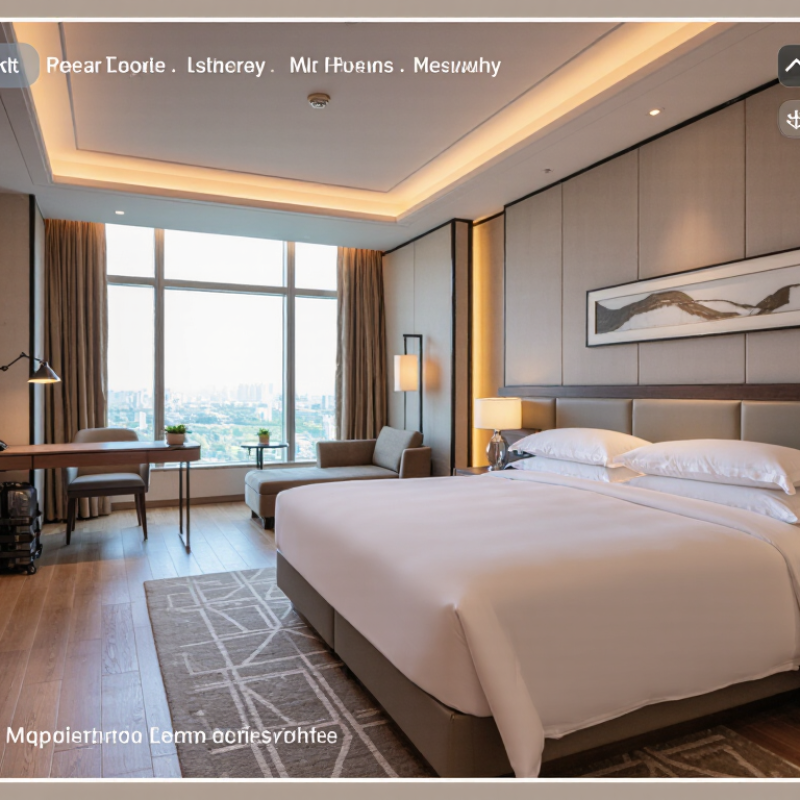
A hotel room furniture set is a coordinated group of pieces designed to work together in one guest room. It usually includes a bed frame, bedside tables, a desk or work surface, and storage. Some rooms also need a luggage bench or lounge chair. The right mix depends on room size and guest needs. Fit matters. A desk that blocks a wardrobe door creates daily frustration, even when the finish looks polished.
A useful set balances appearance, durability, and maintenance. Buyers should compare dimensions, construction details, and finish samples, not just catalog images. Check drawer movement, exposed edges, and how surfaces handle routine cleaning. Ask for clear specifications on materials and hardware. Small details count. A loose handle or sharp desk corner can affect the guest experience and increase upkeep. Requirements vary by property, so confirm relevant fire, safety, and accessibility specifications with qualified local professionals.
Consistency helps rooms feel intentional, but identical pieces are not always the best choice. A compact room may need a wall-mounted desk, while a larger suite can accommodate a separate table. Mocking up one room can reveal awkward clearances before an order is finalized. It takes extra time. Still, it is easier to adjust a sample layout than to discover that bedside drawers cannot open after installation. A coordinated set should solve the room’s practical problems, not merely match its colors.

Typical furniture quantities in an illustrative double-occupancy guest room. Actual room setups vary by layout and hotel requirements.
A hotel room furniture set commonly combines sleeping, storage, work, and convenience pieces. This example includes two beds and two nightstands, with one of each other item.
A hotel room furniture set should support rest, storage, and daily tasks without crowding the floor. The bed is the main piece, so choose a frame that feels stable and allows easy cleaning beneath it. Bedside tables keep lamps, phones, and water within reach. Small details matter.
A desk gives guests a place to work or plan their day, while a comfortable chair makes longer stays easier. Wardrobes provide hanging space and shelves for folded clothing. A luggage rack keeps suitcases off the bed and floor. In compact rooms, each piece should have a clear purpose. Matching furniture can look polished, though function should take priority over a perfectly coordinated appearance.
Tips: Measure doorways, elevators, and room clearances before ordering. Check that drawers open fully and surfaces resist routine cleaning. Leave a clear path between the bed and bathroom. Even a good set may need adjustments for unusual room layouts.
Urban Business Hotel A hotel room’s furniture should signal its concept through shape, texture, and use. For an urban business hotel, choose a compact desk, supportive chair, and streamlined storage in calm wood tones. Keep charging points reachable and walking routes clear. Small details matter.
An intimate boutique hotel can use layered finishes, a sculptural headboard, and locally inspired colors without making the room feel crowded. A resort concept may suit pale timber, woven textures, and a bench for beach bags or damp outerwear. These choices should still withstand frequent cleaning and daily wear.
Booking.com’s 2024 Sustainable Travel Report found that 83% of travelers consider sustainable travel important.
That does not prove guests choose rooms by furniture, but it supports considering durable materials and repairable pieces. A polished sample room can also mislead: staff feedback and maintenance checks may reveal awkward drawers or noisy chair legs. Test the set in real use. Some design decisions need revisiting.
Top Hotel Room Furniture Sets for Global Buyers
Material choices shape comfort, service life, and maintenance. Solid wood can be repaired, but it may move with changes in humidity. Engineered panels offer consistent dimensions and efficient use of materials. Their edge sealing matters, especially near bathroom doors or frequently wiped surfaces. Upholstery should suit the room’s cleaning routine, not just its color palette. No material is perfect.
Durability is easiest to judge at stress points. Check bed-frame joints, drawer runners, chair legs, and the underside of tabletops. A wardrobe door that closes smoothly during inspection may still loosen after repeated use. Ask for load ratings and details about hardware replacement. Finish samples can also reveal how visible scratches and water marks may become under warm room lighting. Small flaws show.
Safety requirements differ by destination market and furniture type. Buyers should request current reports for applicable structural, fire-performance, and emissions tests, then confirm that the tested materials match the quoted set. Pay attention to stable wardrobes, smooth edges, secure fixings, and upholstery seams. Documents help, but they do not replace checking the actual goods. Specifications can look convincing on paper; a production sample may tell a less tidy story.
| Furniture Set | Typical Materials | Durability Considerations | Safety and Compliance Checks | Care and Best Use |
|---|---|---|---|---|
| Solid-Wood Casegoods Set Bed frame, nightstands, dresser, and desk | Hardwood components or solid-wood frames with wood veneer panels; water-based or other specified finishes. | Solid wood can be repaired and refinished, but it may respond to changes in humidity. Check joints, drawer runners, veneer adhesion, and finish resistance to routine cleaning. | Specify stable construction, smooth edges, secure drawers, and finishes suitable for the intended indoor use. For composite-wood parts sold in the United States, confirm applicable TSCA Title VI formaldehyde-emission compliance. | Use a consistent indoor climate and follow the finish manufacturer’s cleaning instructions. Suitable for upscale rooms where repairability and a natural appearance are priorities. |
| Commercial Laminate Casegoods Set Bed, desk, wardrobe, and storage units | Decorative high-pressure laminate or low-pressure melamine surfaces over engineered-wood panels, with metal or wood supports. | Performance depends on panel quality, edge sealing, hardware, and construction. Inspect high-wear corners and moisture-prone edges; laminate surfaces are generally straightforward to wipe clean. | Ask for documentation on panel emissions and confirm the applicable destination-market requirements. Check that units are stable, securely assembled, and anchored where tipping risk requires it. | Clean with a soft cloth and a compatible mild cleaner; avoid prolonged standing water and abrasive products. A practical choice for high-turnover rooms. |
| Upholstered Bed and Seating Set Headboard, lounge chair, and ottoman | Wood or metal frame, foam cushioning, and woven fabric, coated fabric, or leather upholstery. | Assess frame-joint strength, cushion recovery, seam construction, abrasion performance, and resistance to stains and cleaning agents. Replaceable upholstery panels can simplify maintenance. | Request fire-performance documentation for the exact upholstery and cushioning construction where required by local law or the project specification. For non-domestic seating in Europe, EN 16139 may be relevant; confirm scope and current local requirements. | Use upholstery cleaning methods approved for the selected fabric. Choose removable or serviceable components for properties with frequent room turnover. |
| Metal-Frame Contemporary Set Bed frame, desk legs, shelving, and occasional table | Steel or aluminum frames with powder-coated or plated finishes; tops may be solid wood, veneer, laminate, or glass. | Check weld quality, fastener retention, coating adhesion, corrosion protection, and floor-contact points. Metal frames can be durable but may show scratches or dents if poorly protected. | Verify load and stability performance for the intended use. If glass is included, specify appropriate safety glass and verify that its type and marking meet the destination market’s requirements. | Inspect fasteners periodically and protect finishes from harsh chemicals. Suitable for modern interiors and designs that use slim profiles. |
| Compact Modular Guest-Room Set Wall-mounted desk, storage, bedside shelf, and wardrobe modules | Engineered-wood panels, laminate or veneer surfaces, concealed brackets, and adjustable metal hardware. | Modular components can be replaced individually. Durability depends on bracket capacity, panel thickness, edge protection, and correct installation. | Confirm wall construction, fixings, and installation instructions for the property. Assess stability and anchoring for tall storage units; verify composite-wood emission requirements in the destination market. | Keep installation records and inspect fixings during room maintenance. Useful where floor space is limited and standardized replacement parts are preferred. |
Buyer note: Safety, fire, chemical-emission, and furniture-performance rules vary by country, product type, and project specification. Standards listed here are examples of potentially relevant checks, not a complete certification list or a guarantee of compliance.
For global buyers, supplier evaluation should start with a clear room-by-room specification. A set may include a bed frame, bedside tables, a desk, and a wardrobe. List dimensions, materials, finishes, hardware, and required quantities. Ask suppliers to confirm each item in writing. Request a finish sample and inspect its color under warm hotel lighting. Check drawer movement, edge quality, and how parts connect. Small details matter. Photos alone cannot show everything.
Compare total landed cost, not just the unit price. Include packaging, freight, insurance, duties, installation, and replacement parts where applicable. Ask how long production and delivery are expected to take, and what happens if pieces arrive damaged. A low quote can become expensive when key items are excluded. I would also compare payment milestones and warranty terms across suppliers. It is easy to overvalue the first attractive offer; that instinct deserves a second look. A pre-production sample may add time, but it can reveal mismatched wood tones or awkward dimensions before a large order ships. This may feel overly cautious, yet rework is rarely simple.