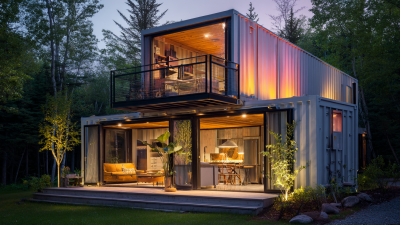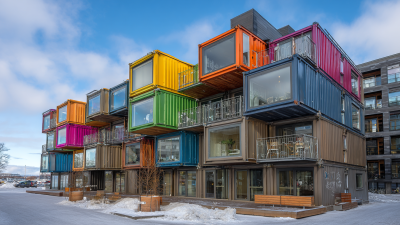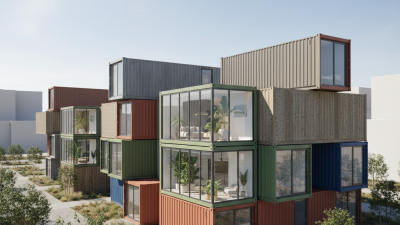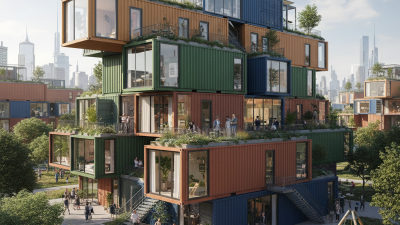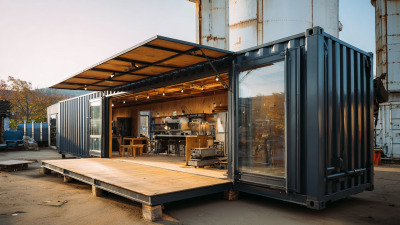
As we venture into 2026, the world of architecture and design is experiencing a radical shift. Converted containers are leading this change, transforming once-industrial structures into functional spaces. These versatile units offer innovative solutions for both residential and commercial needs.
Consider the urban landscape. Many cities are embracing converted containers for housing, boutiques, and pop-up cafes. They offer affordable options and utilize spaces creatively. A small café made from two stacked containers can create a cozy, inviting atmosphere. However, we must reflect on the sustainability of these trends. Are we truly considering the environmental impact of our designs?
Innovation goes hand in hand with challenges. The limitations of space and the necessity for insulation often limit design choices. Yet, some architects are pushing boundaries, creating stunning interiors within these transformed shells. The aesthetic potential is remarkable, but it leaves room for improvement. It’s essential to balance creativity with functionality in the realm of converted containers.
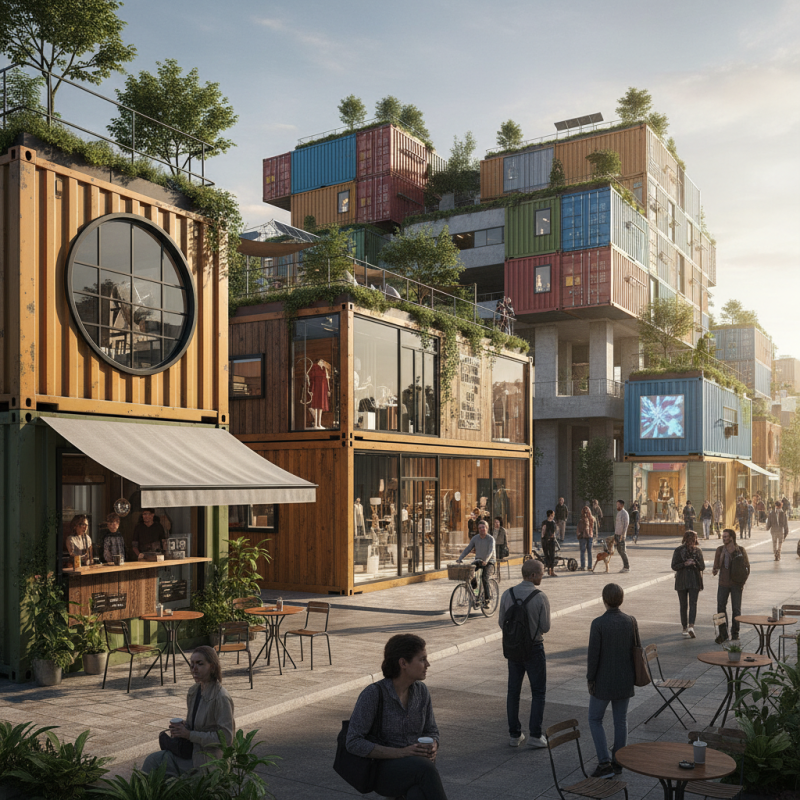
Innovative design approaches in container architecture for 2026 highlight creativity and sustainability. Designers are experimenting with living walls using plants to enhance aesthetics and promote biodiversity. These green elements add a fresh touch while improving air quality. Integrating solar panels into the roofs of containers allows for energy independence, a crucial consideration for eco-conscious builders.
Moreover, modularity continues to be a significant trend. Containers can be stacked or arranged in unique formations, creating versatile spaces. This flexibility sets the stage for multifunctional areas—think cafes that transform into art galleries. However, creating such spaces often faces practical challenges. The need for proper insulation and smart layouts can complicate designs.
Another intriguing innovation involves the use of recycled materials in interior design. Salvaged wood or metal can create stunning contrasts against the industrial feel of containers. This practice not only reduces waste but also tells a story through every piece used. Yet, sourcing materials sustainably can sometimes be a struggle. Designers must balance between aesthetics and functionality while remaining environmentally responsible.
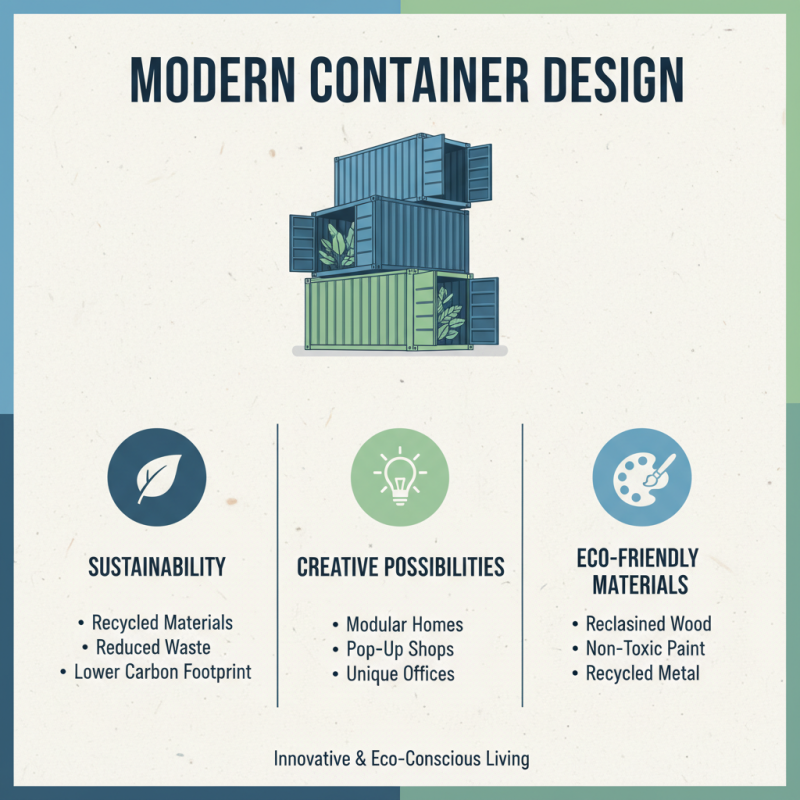
Converted containers are becoming a popular choice in modern design. They offer creative possibilities and sustainability. The use of recycled materials is central to this trend. For example, reclaimed wood and non-toxic paint are often utilized. These materials reduce waste and lower the carbon footprint.
Construction techniques are evolving too. Builders now focus on energy efficiency. Insulation is a key area for improvement. Spray foam and recycled denim insulation are great options. They offer thermal benefits and are eco-friendly. However, challenges remain in sourcing these materials consistently. Not all suppliers provide high-quality, sustainable options.
Another innovation is the incorporation of green spaces. Indoor plants can improve air quality and aesthetics. Yet, integrating nature into container homes is not always easy. Some designs fail to consider natural light and space for growth. This makes it crucial to balance functionality with aesthetics. In this evolving field, perfecting sustainable practices is an ongoing journey.
As container living spaces evolve, smart technology integration becomes essential. Imagine a tiny home that learns your habits. Smart lights can adjust to your daily routine. Thermostats can manage energy use efficiently. This technology maximizes comfort while minimizing waste.
Tips: Start small with smart plugs and lights. These are affordable options to test your comfort with automation. Consider your lifestyle. Would smart assistive devices really enhance your living experience? Or could they complicate simple tasks?
Keep in mind, not all technologies suit every container. Some may find excessive reliance on gadgets disorienting. It’s important to choose what works best for you. Overloading your space with tech might detract from its charm. Embrace innovation, but also appreciate simplicity in your container design.
Container design is evolving rapidly. Current trends are leaning towards minimalism and sustainability. A report by the Container Architecture Association noted that 78% of new container projects focus on eco-friendly materials. This is particularly relevant in urban areas. Designers are integrating green roofs and natural lighting to enhance the aesthetic appeal.
Charred wood and industrial finishes are also gaining traction. These materials provide a rustic yet modern look. However, the challenge lies in balancing aesthetics with durability. Some designs may look appealing at first but lack longevity. Creating versatile spaces remains a priority. Open floor plans are popular for maximizing utility, but they also require careful planning.
Color palettes are shifting as well. Neutral tones dominate, but pops of color are emerging. Bright shades create focal points. Yet, not all color combinations work well with container architecture. Designers must experiment and sometimes fail. This trial and error is key to innovation. The journey toward perfection often involves messy outcomes that lead to a refined final product.
Containers are evolving rapidly, adapting to various needs in 2026. They are no longer just for shipping goods. Many cities are experimenting with container homes. These homes are flexible and can be modified easily. They offer unique designs that blend with urban environments. Some use expansive windows for natural light. Others incorporate green roofs for sustainability.
Containers are also transformed into pop-up shops and cafés. These structures are portable and can be moved as needed. They create vibrant community spaces. However, challenges exist. Not all containers are weatherproof. Some designs may not be as user-friendly as expected. Despite these flaws, the trend continues to grow.
In agriculture, containers are being used for vertical farms. This innovation maximizes limited space in urban areas. Hydroponics and aquaponics methods are gaining traction. Yet, initial setup costs can deter many. Improvements are necessary to make these systems more accessible. The journey of container adaptations is just beginning. There is much to learn as creativity meets practicality.