
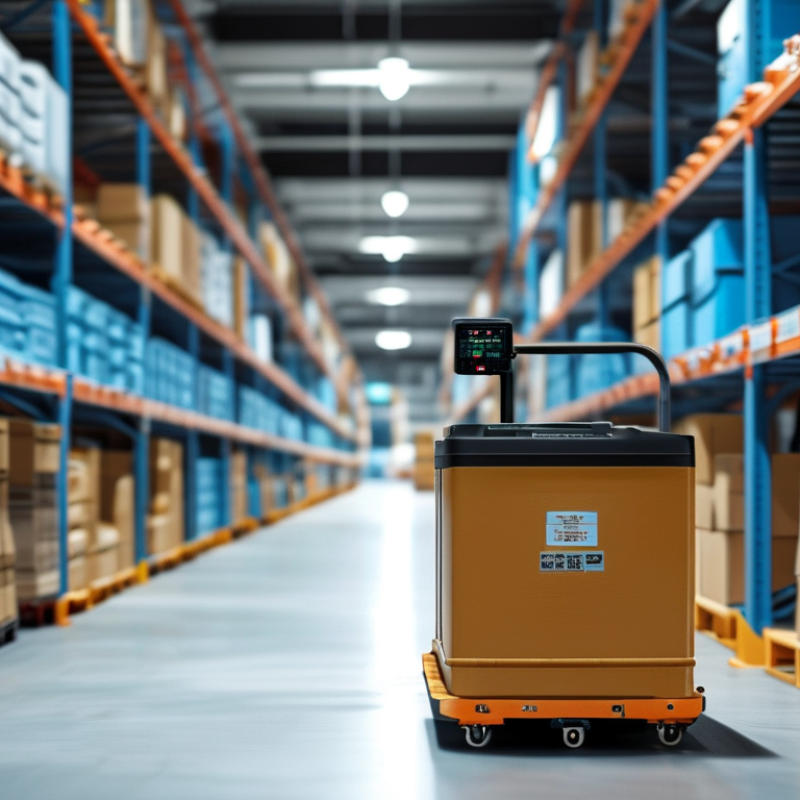
For global buyers comparing China’s top RTLS tag manufacturers, accuracy and endurance deserve equal attention. A 12 cm result looks impressive, but it may come from an empty test room. FiRa Consortium guidance describes ultra-wideband ranging as capable of decimeter-level accuracy under controlled conditions. Real warehouses add metal racks, moving forklifts, and blocked signals.
Ask suppliers to report performance at 10–30 cm accuracy, not only their best laboratory result. The test should state anchor spacing, update frequency, tag height, and line-of-sight conditions. IEEE 802.15.4z-based systems can improve ranging reliability, but installation still controls the outcome. Measure median and worst-case error. Average accuracy alone can hide failures.
Battery life also needs evidence. A practical target is one to three years, depending on transmission intervals and motion sensing. ABI Research’s enterprise location studies identify battery management as a major factor in scalable RTLS deployments. Request test data using the actual reporting cycle, temperature range, and battery type. A tag sending every second will not behave like one sending every minute. Simple point.
Buyers should inspect low-battery alerts, replacement access, and power-saving modes. These details affect labor costs more than a polished specification sheet. Some published figures may be optimistic. That is not automatically dishonest, but it requires verification through a pilot with loaded shelves, cold areas, and daily vehicle traffic.