
When considering home flooring options, many homeowners overlook the charm of Wooden Floors. Wooden floors offer a unique blend of beauty and functionality that can transform any living space. Their timeless appeal can enhance the aesthetic of a room, creating a warm and inviting atmosphere.
Choosing a wooden floor isn't merely a cosmetic decision. It involves understanding the long-term benefits that come with this type of flooring. For instance, wooden floors are durable and can withstand the test of time, making them a wise investment. They are also easier to clean and maintain compared to other flooring options.
However, it's essential to reflect on the potential challenges as well. Some may find wooden floors prone to scratches or damage from moisture. Understanding these aspects can help make an informed choice. Ultimately, the allure of wooden floors lies in their balance of elegance and practicality, making them a favorite among homeowners.
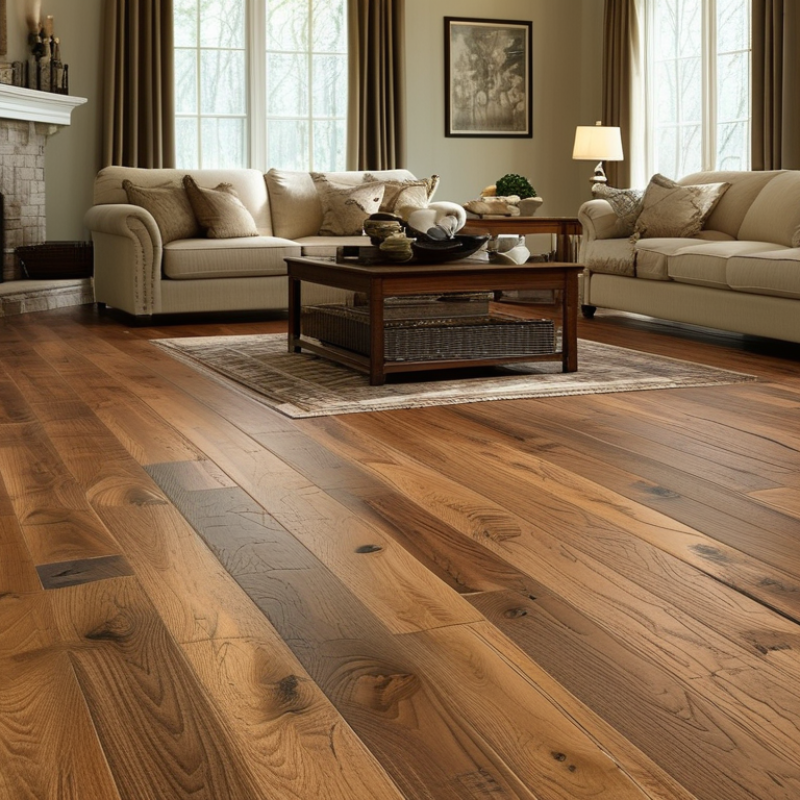
Choosing wooden floors for your home comes with several advantages, especially regarding durability. According to the National Wood Flooring Association, well-maintained hardwood floors can last over 100 years. This longevity makes them a wise investment for homeowners. The natural resilience of wood allows it to withstand heavy foot traffic while aging gracefully.
Regular maintenance, such as refinishing, enhances the durability of wooden floors. Studies show that refinished hardwood can regain up to 80% of its original value. However, improper maintenance can lead to scratches and dents. It is essential to be vigilant about protecting flooring from moisture and heat. These factors can compromise its structural integrity.
When choosing wooden floors, consider the type of finish applied. Oil-based finishes tend to be more durable than water-based ones. Additionally, maintaining a consistent humidity level can prevent warping. Investing in a dehumidifier can be beneficial in humid climates. Homeowners should always assess their lifestyle and traffic patterns when selecting their flooring. Understanding these aspects can lead to better decision-making and longer-lasting floors.
| Benefit | Description | Durability | Maintenance |
|---|---|---|---|
| Eco-Friendly | Wooden floors are made from renewable resources. | Highly durable if sourced sustainably. | Requires occasional refinishing. |
| Aesthetic Appeal | Provides timeless beauty and warmth to interiors. | Can last for decades, retaining beauty. | Simple cleaning with regular dusting. |
| Versatile Design | Fits various styles, from modern to traditional. | Resistant to wear and tear, maintaining design. | Requires minimal effort to keep looking good. |
| Increases Property Value | Attractive to buyers, can raise home value. | Durable finishes enhance property investment. | Periodic upkeep can maintain high value. |
| Allergy-Friendly | Does not harbor dust mites and allergens. | Long-lasting without degrading air quality. | Easy to clean, reduces allergen accumulation. |
| Comfort | Warm underfoot and adds a cozy feel to rooms. | Withstands years of foot traffic and impacts. | Regular cleaning keeps comfort at peak. |
| Acoustic Benefits | Improves sound quality by absorbing sound. | Durable materials resist distortion over time. | Easy maintenance enhances acoustic performance. |
| Hypoallergenic Properties | Lowers risk of allergy flare-ups compared to carpets. | Long-lasting materials do not deteriorate easily. | Low wear ensures prolonged hypoallergenic quality. |
| Variety of Options | Available in different woods, colors, and patterns. | Diverse selections can last a lifetime. | Simple maintenance keeps options looking fresh. |

Choosing wooden floors comes with many sustainability and environmental benefits. Wood is a renewable resource, making it an eco-friendly choice for homes. Trees absorb carbon dioxide, helping to combat climate change. When you opt for wood flooring, you contribute to better air quality. Additionally, many wood products are sourced from responsibly managed forests, which preserve biodiversity.
Maintaining wooden floors can also be an eco-conscious practice. Regular cleaning with natural products ensures a longer lifespan. It reduces the need for frequent replacements, minimizing waste. However, ensure you apply the right cleaning methods. Harsh chemicals can damage the wood and harm the environment.
Consider the insulation properties of wood. Wooden floors provide excellent thermal insulation, keeping your home warm. This can lead to lower energy consumption for heating during winter months. It's worth reflecting on the long-term savings and environmental impact of such choices. Make your home not just beautiful, but also sustainable.
Wooden floors bring a unique charm to any home, enhancing the overall aesthetic appeal. Their natural variations in color and grain patterns create a warm ambiance. A space with wooden flooring exudes comfort, making it inviting for family and guests alike. The earthy tones of wood can easily complement various interior design styles, from rustic to modern.
One notable aspect of wooden floors is their timelessness. While trends come and go, wood maintains its allure. A classic oak floor can seamlessly transition a space from a retro vibe to a contemporary feel. You might notice that some homeowners worry about maintaining wood floors. However, with proper care, they can endure for decades, even centuries.
Another factor to consider is the sound quality. Wood naturally absorbs sound, making a room feel quieter. A floor made of wood can lift a room’s personality. However, it also requires regular upkeep. Scratches and dents can occur, and homeowners must be vigilant. Overall, wooden floors can transform a home. Choosing them brings beauty, warmth, and character.
Wood flooring offers unique health advantages that many homeowners may overlook. One significant benefit is its ability to improve indoor air quality. Wood naturally absorbs moisture, which helps maintain balanced humidity levels. This can reduce the growth of mold and dust mites, common triggers for allergies and respiratory issues. People with asthma or sensitivities often notice fewer symptoms in environments with wood floors compared to carpets.
Additionally, wood floors do not trap dust and pollutants as carpets do. They are easier to clean and maintain, so regular sweeping and occasional mopping can keep your space healthier. The smooth surface of wood flooring allows for effective cleaning, ensuring that allergens are reduced. When evaluating flooring options, consider how wood can contribute to a healthier living environment. Awareness of the materials we choose is essential for promoting well-being in our homes.
Choosing wooden floors for your home is a decision rooted in long-term value. While the initial cost may seem high, wooden floors often prove to be more cost-effective over time. They have a durability that can last for decades, resisting wear and tear better than many synthetic options. With proper maintenance, their lifespan can exceed 30 years. This longevity translates to fewer replacements and repairs, making them a wise investment.
The maintenance costs for wooden floors are often lower than other materials. They require simple cleaning methods to remain in good condition. Unlike carpets, which harbor allergens and dust, wooden floors have a smooth surface, promoting better air quality. If you do face gouges or scratches, refinishing can revive their appearance, helping you avoid the high costs of replacement.
Investing in wooden floors can also enhance your home's value. Real estate experts often note that homes with hardwood floors sell faster and command higher prices. This is due to the timeless appeal and aesthetic quality of wood. However, it’s essential to choose the right type of wood and finish for your environment. Natural variations in wood can add character but may also require more care in selection.