
Top Tips to Buy Shipping Container Home for Your Dream Living Space?
Are you dreaming of a unique living space? Many people are turning to shipping container homes as an affordable, eco-friendly option. If you're considering to buy shipping container home, there are essential factors to keep in mind. This unconventional housing trend combines creativity with sustainability.
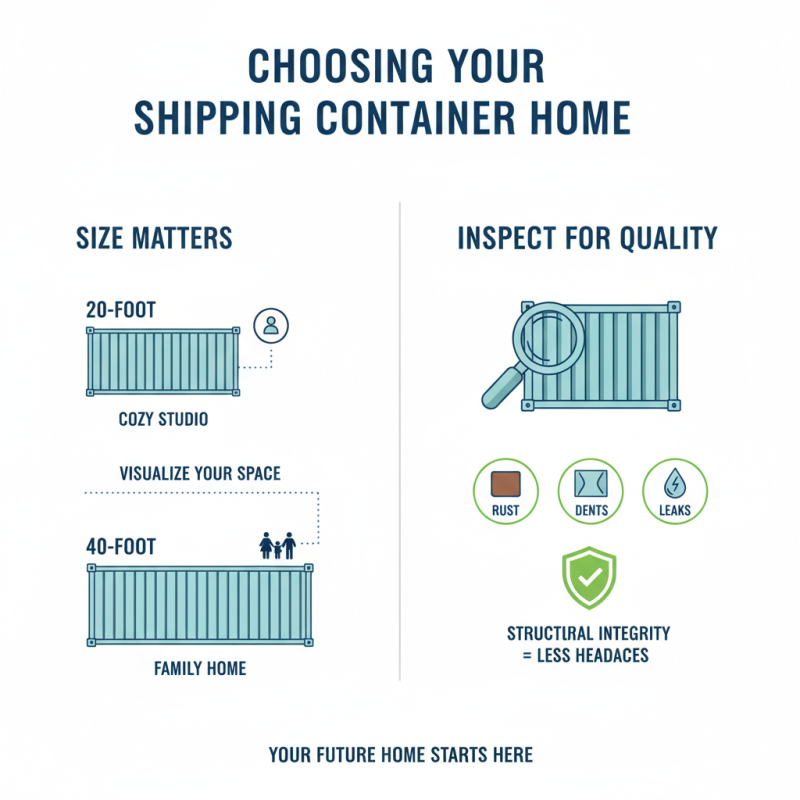
Start by researching the type of container that fits your vision. Containers come in various sizes and conditions. Some may need significant renovations, while others are ready to use. You should weigh the pros and cons of each option carefully. Remember, buying a container home is not just a straightforward purchase. It requires thoughtful planning, design, and potentially, a lot of work.
The location of your new home is also crucial. Zoning laws and regulations can affect where you can place your container. It could be an exciting journey. However, ensure that you do your homework. With the right approach and a bit of patience, your dream container home could become a reality.

Table of Contents
[Hide]
Understanding the Benefits of Shipping Container Homes
Shipping container homes have gained popularity for numerous reasons. One significant advantage is cost-effectiveness. According to market reports, building with shipping containers can save up to 30% compared to traditional homes. This affordability opens up homeownership to many who may struggle with high real estate prices. The average cost to convert a shipping container into a livable space ranges from $10,000 to $30,000, depending on size and customization.
Another benefit is sustainability. Shipping containers are often recycled, reducing waste and the need for new materials. They are inherently strong, making them durable against harsh weather conditions. This durability can lead to lower maintenance costs over time. However, it’s important to be aware of potential insulation challenges, as metal containers can have temperature regulation issues. Effective insulation can increase initial investment but will enhance long-term comfort.
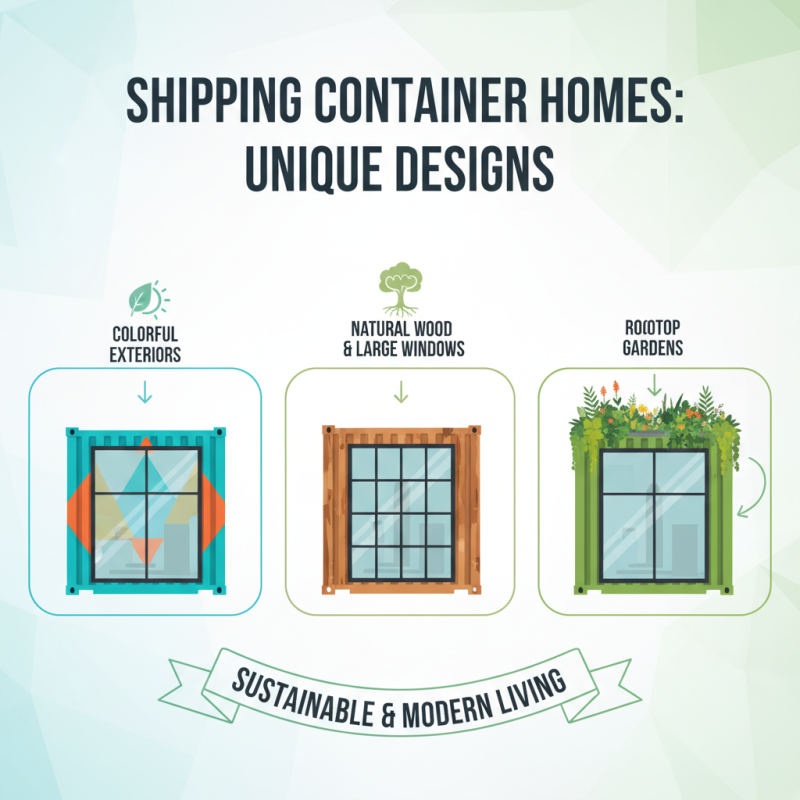
Design flexibility is also notable. Shipping containers can be stacked or arranged in various configurations, allowing for creative living spaces. Homeowners can personalize these structures to reflect their tastes. Yet, planning and zoning regulations can sometimes pose hurdles. Each area has different codes that may restrict container home designs, which could lead to unexpected delays. Therefore, research is crucial before making a commitment.
Top Tips to Buy Shipping Container Home for Your Dream Living Space
| Tip | Description | Benefits |
|---|---|---|
| Research and Planning | Conduct thorough research on container types and sizes. | Ensures you choose the right container for your needs. |
| Evaluate Your Budget | Determine the full costs including delivery and modifications. | Helps to avoid overspending and financial strain. |
| Check Local Regulations | Understand zoning laws and building codes in your area. | Ensures legality and compliance in construction. |
| Inspect the Condition | Carefully look at the physical state of the container. | Prevents future repairs and maintenance costs. |
| Plan for Insulation | Determine the type of insulation needed based on climate. | Enhances comfort and energy efficiency of the home. |
Related Posts
-

Exploring the Benefits of Converted Container Homes for Sustainable Living
-

2025 Top 10 Cargo Container Houses: Innovative Designs for Sustainable Living
-
Top 10 Tips for Buying Your Perfect Shipping Container Home
-

Top Construction Container Trends to Watch in 2025 for Your Next Project
-

How to Buy a Shipping Container Home and What You Need to Know
-

2026 Top Converted Container Trends and Innovations in Design?

© 2023 Integrated Modular Solutions. All Rights Reserved