Top Tips for Buying a Shipping Container Home Today?

As the popularity of alternative housing rises, the trend to buy shipping container homes has captured attention. According to a report by Research and Markets, the global prefabricated housing market is expected to reach $112.5 billion by 2025. This growth indicates a strong interest in affordable and sustainable living options. Shipping container homes provide eco-friendly solutions that repurpose industrial materials, promoting both sustainability and innovation.

However, the journey to buy a shipping container home can be complex. Many potential buyers underestimate the challenges involved. Understanding local zoning laws is crucial, as regulations vary widely. Additionally, not all containers are created equal; the quality and condition can significantly impact your investment. Some containers may have hidden damage or require extensive modifications, leading to unexpected costs.

Before taking the plunge, it's crucial to research thoroughly. Seek guidance from experts in container architecture and sustainable living. Collecting multiple quotes can help you avoid overpaying. Ultimately, your choice should reflect not only your needs but also your commitment to an eco-friendly lifestyle.
Top Tips for Buying a Shipping Container Home Today?

Understanding the Basics of Shipping Container Homes
Top Tips for Buying a Shipping Container Home Today?

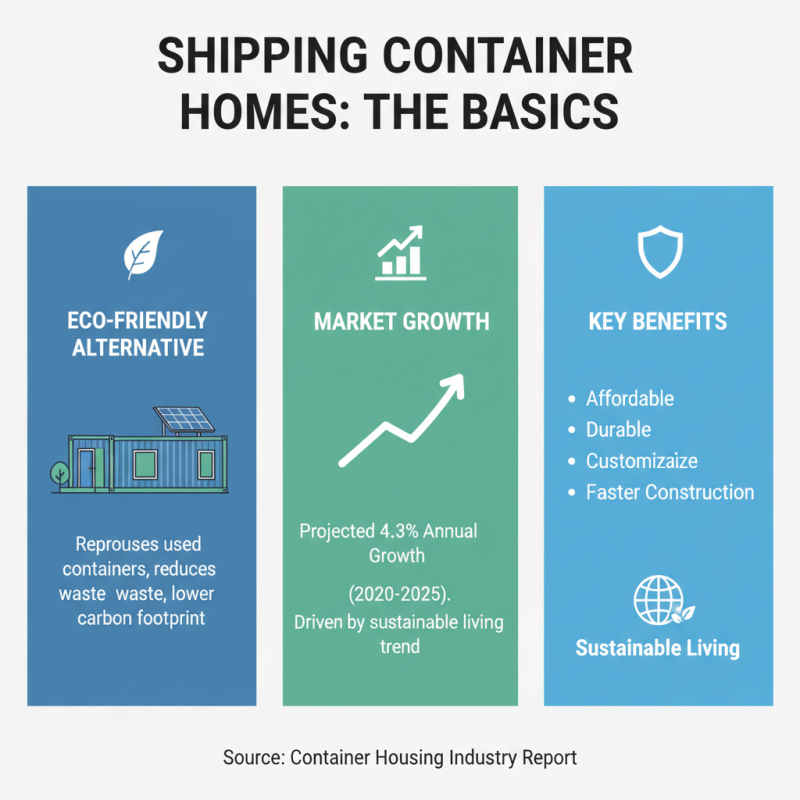
Shipping container homes have gained popularity for various reasons. They offer an eco-friendly alternative to traditional housing. According to the Container Housing industry report, the market is projected to grow by 4.3% annually through 2025. This increase reflects rising interest in sustainable living options.

Understanding the basics is essential for potential buyers. A typical shipping container measures 20 or 40 feet in length. Prices vary widely, from $1,500 to over $5,000, depending on the condition and location. Buyers must consider insulation and weatherproofing. These factors impact comfort and long-term durability.

While shipping container homes are innovative, challenges exist. Zoning regulations can complicate placement. Some areas may not allow these structures. Additionally, modifications can become costly. Reflecting on these aspects ensures a well-informed decision. Embracing container living involves careful planning, but it can lead to unique, affordable homes.
Assessing Your Budget for a Shipping Container Home Purchase

When considering a shipping container home, assessing your budget is crucial. Shipping containers vary in price based on size, condition, and location. New containers typically cost more than used ones. A 20-foot container might start around $2,000, while a 40-foot one can go up to $5,000 or more. Beyond the containers, think about additional costs. You will need to budget for permits, land, and delivery.

Construction costs can add up quickly. Site preparation is essential and may require leveling or clearing. Don't forget about insulation and interior finishes. Basic furnishings can strain tight budgets. In some cases, DIY projects may help save money, but they could also lead to mistakes and complications. Be realistic about your skills and time.

Unexpected expenses can arise. Think through utility installation, which can be expensive. Plumbing and electrical work often need professionals. It's wise to keep a contingency fund for those surprises. Understanding your overall financial situation will aid in making a sound investment. It is better to create a detailed budget and stick to it, rather than letting costs spiral out of control.

Top Tips for Buying a Shipping Container Home Today? - Assessing Your Budget for a Shipping Container Home Purchase

Cost Dimension Estimated Cost (USD) Description
Container Purchase $2,000 - $5,000 Cost of 20ft to 40ft shipping containers
Land Acquisition $5,000 - $50,000 Price varies by location and size
Foundation Preparation $1,500 - $10,000 Costs for site leveling and pouring concrete
Insulation & Interior Finish $5,000 - $20,000 Includes insulation, drywall, flooring, and fixtures
Utilities Connection $2,000 - $5,000 Water, electricity, and sewer hookups
Permits and Legal Fees $500 - $3,000 Local permits and legal requirements
Total Estimated Budget $16,500 - $93,000 Overall cost to set up a shipping container home

Choosing the Right Size and Type of Shipping Container

When considering a shipping container home, size and type are crucial. Standard containers come in 20-foot and 40-foot lengths. Research indicates that about 70% of buyers opt for the 40-foot version due to its larger living space. Yet, understanding your needs is vital. Smaller families may find a 20-foot container sufficient.

Different types of containers can cater to diverse needs. For example, high-cube containers offer an extra foot in height, making them ideal for taller interiors. According to data from industry reports, around 30% of home builders prefer high-cube units for enhanced vertical space. However, these containers can be pricier.

Furthermore, consider the condition of the container. New containers are more expensive but provide better insulation. Used containers might be more affordable but could require repairs. It’s important to weigh these factors carefully. A used container might save money upfront but can lead to future costs if not inspected properly. Always assess the long-term implications of your choice.

Evaluating Location and Zoning Regulations for Container Homes

When considering a shipping container home, location is crucial. Zoning regulations vary significantly. Potential buyers must research local laws. Many areas have strict guidelines regarding the use of containers as homes. Some cities require permits for container modifications. A recent study showed that 70% of homeowners faced zoning challenges when using containers.

Understanding your area's zoning laws is vital. Some regions do not allow container homes at all. Each jurisdiction has unique regulations. Buyers should visit local planning offices. This ensures compliance with building codes and land use policies. Knowledge of these regulations can save time and money.

Additionally, consider the location's accessibility to utilities. Many container homes require connections to water and electricity. If not considered during planning, this can lead to complications. A national survey indicated that 45% of container homeowners experienced utility-related issues. Researching the infrastructure in your desired location is essential. Ensure a feasible connection to essential services.

Top Tips for Buying a Shipping Container Home: Evaluating Location and Zoning Regulations

Tips for Customizing and Insulating Your Shipping Container Home

Top Tips for Buying a Shipping Container Home Today?

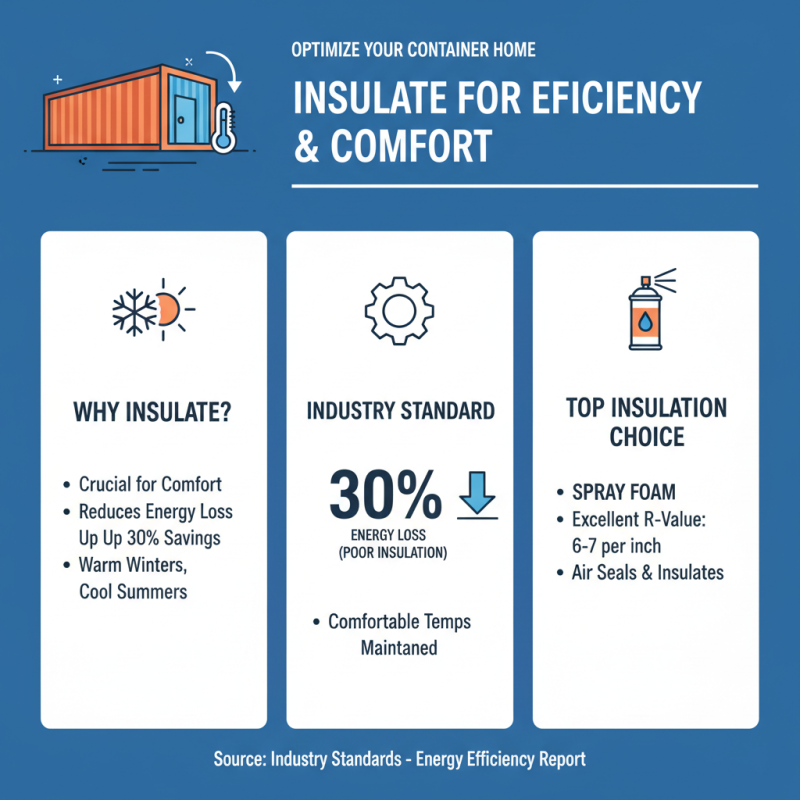
When considering a shipping container home, insulation is crucial. According to industry standards, poor insulation can lead to energy loss of up to 30%. A well-insulated container maintains comfortable indoor temperatures. Spray foam is a popular choice due to its excellent R-value, which ranges from 6 to 7 per inch. This method not only keeps homes warm in winter but also cool in summer.

Another essential consideration is customizing your space. Shipping containers offer unique design possibilities. You can add windows and doors strategically for natural light and ventilation. A common mistake is neglecting to plan for utility access. Ensure your layout includes space for plumbing and electrical wiring.

Additionally, using high-quality materials for interior finishes can further enhance comfort. Eco-friendly options are available, appealing to environmentally conscious buyers. However, it's essential to balance aesthetics with practicality. Some designs might look appealing but can lead to structural issues later. Always consult with professionals to assess the feasibility of your ideas.