
What Is a Soft Lamination Machine and How Does It Work?
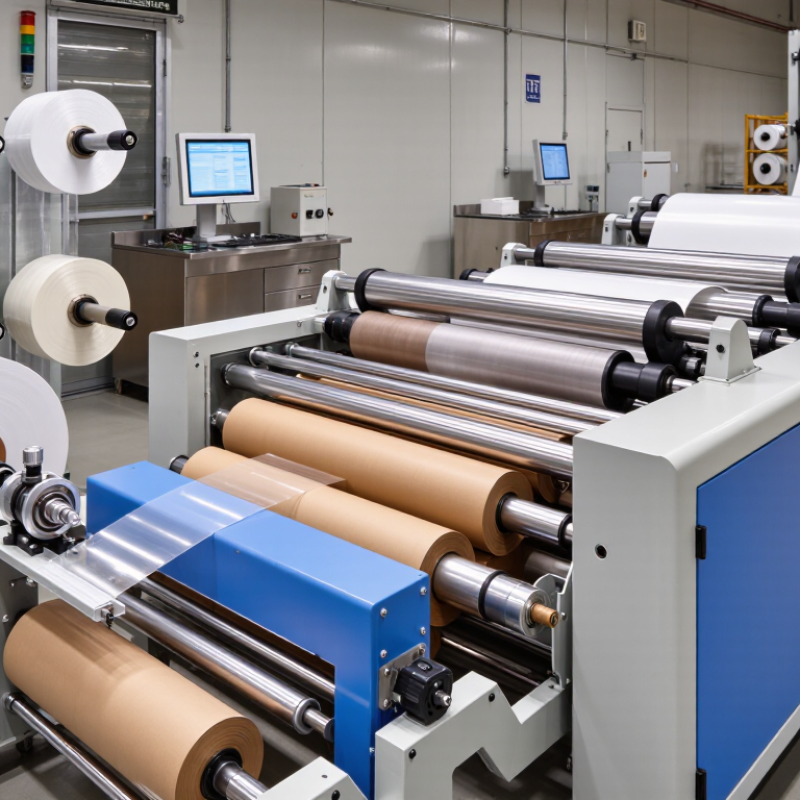
A soft lamination machine bonds flexible films with a controlled adhesive layer. It uses unwinding units, tension control, coating rollers, a laminating nip, and curing sections. The adhesive metering system controls coating weight, not simply roller speed. In solventless lamination, a heated metering roller transfers adhesive through a precise gap. The nip then presses two webs together under stable pressure.
Typical adhesive application ranges from 1–3 g/m². Small changes matter.
Applying 1.5 g/m² across 1,000 m² requires about 1.5 kilograms of adhesive.
That calculation assumes 100% solids and excludes waste. Solvent-based systems require a different calculation because solvents evaporate. Operators should verify the dry coating weight through weighing tests, following methods related to TAPPI T 410.
According to Smithers’ 2024 flexible packaging market report, lightweighting remains a major industry driver. Lower coating weights support material efficiency, but they reduce the process window. At 1 g/m², uneven film thickness, dust, or roller wear can create weak bonds. At 3 g/m², excess adhesive may increase curing time and cost.
FEICA’s industry publications also emphasize process control, quality testing, and responsible adhesive selection. In practice, technicians often check viscosity, temperature, web tension, and nip pressure every shift. The numbers look simple. The machine is not. A coating-weight gauge can reveal variation that visual inspection misses, although measurement errors still need investigation.