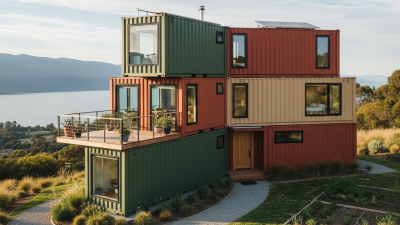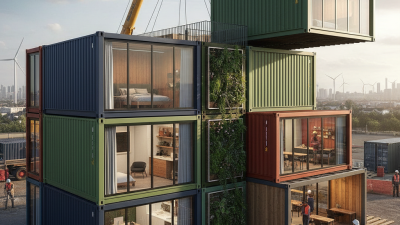
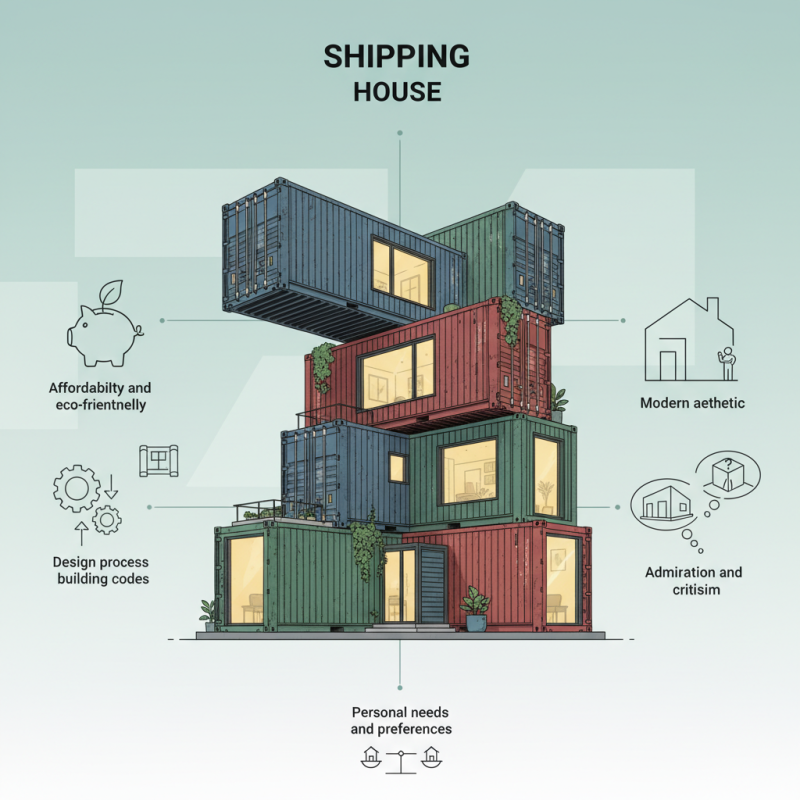
A shipping container house is an innovative housing solution. It transforms standard shipping containers into livable spaces. These homes are gaining popularity due to their affordability and eco-friendliness.
Building a shipping container house involves stacking and modifying containers. Each container provides sturdy walls and a unique structure. However, the design process can be challenging. Adapting the container to meet local building codes requires careful planning.
Many homeowners appreciate the aesthetic appeal of a shipping container house. Their industrial look often attracts modern and minimalist enthusiasts. Yet, this style may not suit everyone. Some might find it too unconventional or cramped. This housing option invites both admiration and criticism. As with any choice, it's essential to reflect on personal needs and preferences.
Shipping container houses are rapidly gaining traction in the housing market. According to a 2022 report by Grand View Research, the global modular construction market, which includes shipping container homes, is projected to reach over $157 billion by 2030. This surge is fueled by the growing demand for sustainable and affordable housing solutions. Shipping containers often serve as an eco-friendly alternative, promoting the recycling of materials while providing flexible living spaces.
These homes are often less expensive than traditional buildings. The initial costs can be lower, with estimates showing savings up to 30%. However, there are drawbacks. Not all containers are suitable for habitation right away. Insulation and ventilation require careful consideration. It’s crucial to address these potential issues before moving in. While some embrace the aesthetic of container living, others find the modifications cumbersome.
Another aspect worth noting is the design versatility. Container houses can be stacked or arranged in various configurations. This allows for unique architectural expressions. Yet, the limited space can pose challenges for families. Buyers must weigh the benefits against the constraints. Overall, shipping container houses present exciting possibilities, but they also prompt reflection on what home truly means.
Shipping container homes are an innovative way to live sustainably. They offer excellent insulation, helping reduce energy costs. Additionally, their modular design allows for creativity in layout. You can arrange multiple containers in various orientations. This flexibility creates unique living spaces tailored to your needs. Many homeowners appreciate the minimalist lifestyle that container living encourages.
One of the main benefits is the reduced construction time. Traditional homes take months or even years to build. Shipping container houses can be ready in a fraction of that time. However, building codes can complicate the process. Some areas have strict regulations regarding container homes. It’s essential to research local laws before committing.
Another attractive feature is the cost-effectiveness. They are generally cheaper than traditional homes. However, some might argue that transforming a container can be pricey. You may need to invest in insulation, plumbing, and wiring. Each step requires careful planning. Living in a shipping container can be a valuable experience, but it has challenges. Balancing budget with creativity is crucial for success.
| Feature | Description | Benefits |
|---|---|---|
| Sustainability | Made from repurposed shipping containers, reducing waste. | Eco-friendly and reduces carbon footprint. |
| Affordability | Generally less expensive than traditional homes. | Lower initial investment and cost of living. |
| Modularity | Can be stacked or joined to create larger spaces. | Flexible design options to meet various needs. |
| Durability | Built to withstand harsh conditions during shipping. | Low maintenance and long-lasting structure. |
| Insulation Options | Can be insulated for temperature control. | Energy-efficient and comfortable living conditions. |
| Customization | Easily customized in design and layout. | Personalized living space according to individual tastes. |
Creating a shipping container house involves multiple stages. The process begins with sourcing decommissioned containers. These containers often show signs of wear, such as rust or dents. Inspection is essential. Not every container is suitable for conversion.
Once the right containers are selected, preparation is key. The containers need to be cleaned and treated for safety. It’s vital to remove old paint and rust. This ensures a safe living environment. The next step is cutting and modifying the container for windows and doors. This stage often brings challenges; structural integrity is a concern at this point.
After modifications, insulation is added for comfort. Containers can be cold in winter and hot in summer. Choosing the right insulation material is crucial. The final phase includes plumbing and electrical work. This may require additional expertise. While shipping container houses offer eco-friendly living, potential owners should consider potential building codes. Not all areas allow such structures.
Planning ahead is vital for a successful project.
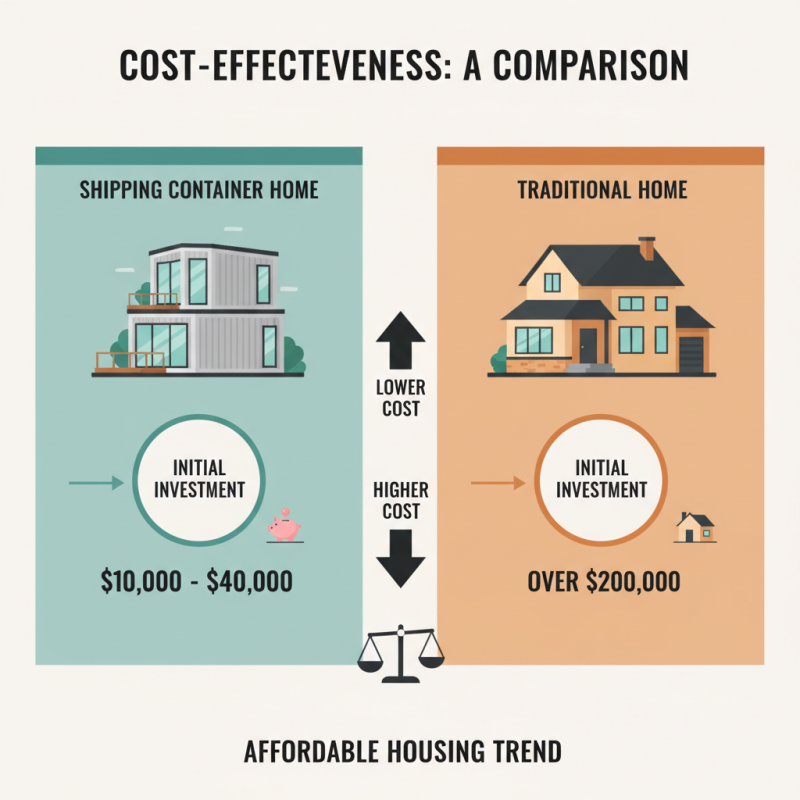
Shipping container houses are gaining popularity, partly due to their cost-effectiveness. When comparing these homes to traditional ones, several factors come into play. The initial investment for a shipping container home can be lower, typically ranging from $10,000 to $40,000. This is significantly less than the average cost of a traditional home, which is often over $200,000.
However, it’s essential to consider additional costs. Shipping container houses may require extensive modifications to ensure proper insulation, plumbing, and electrical systems. These renovations can add thousands to the final bill. Moreover, securing permits for such structures can be tricky in some areas. This aspect may lead to unforeseen expenses and delays that homeowners might not anticipate.
Despite their affordability, shipping container homes can present challenges. Their unique design may not fit everyone's lifestyle or aesthetic preferences. Additionally, resale value can be uncertain compared to traditional homes. Therefore, while the initial cost may be appealing, potential buyers should carefully weigh the long-term implications. It's a matter of finding balance between budget and comfort.
Shipping container houses are becoming popular due to their sustainability. These homes reuse old containers, reducing waste. They can be designed in various styles, adapting to different environments. The construction process of a container home minimizes material usage, thus lowering carbon footprints.
Tips: Consider the insulation. Containers are made of steel and can become hot or cold quickly. Proper insulation can help maintain a comfortable indoor climate.
Using containers also encourages a minimalist lifestyle. Living in a smaller space often leads to less consumption. This can make a big difference in environmental impact. Yet, it’s worth noting that container homes may not always be cheaper than traditional houses.
Tips: Be mindful of local zoning laws. Some areas have restrictions on container homes. Always check regulations before starting your project.