What is a Modular Office and How Does It Enhance Workspaces?

In today’s rapidly evolving work environment, the concept of a modular office has gained significant attention. Renowned workplace strategist, Dr. John Smith, states, "A modular office adapts to the changing needs of businesses." This adaptability is vital in an era where flexibility and efficiency are paramount.

Modular offices are not just about physical space. They represent a shift in how organizations view work. These structures can be easily reconfigured, promoting collaboration and innovation. Imagine a workspace that evolves with your team’s requirements. Walls can be moved, and furniture can be rearranged—often in hours, not days.

However, relying solely on modular concepts can present challenges. Employers might overlook the importance of aesthetics and ambiance. While functionality is essential, the overall environment affects employee well-being. Balancing adaptability with a nurturing atmosphere is crucial. Hence, exploring the world of modular office design is not just about what works; it’s also about what feels right in a dynamic landscape.
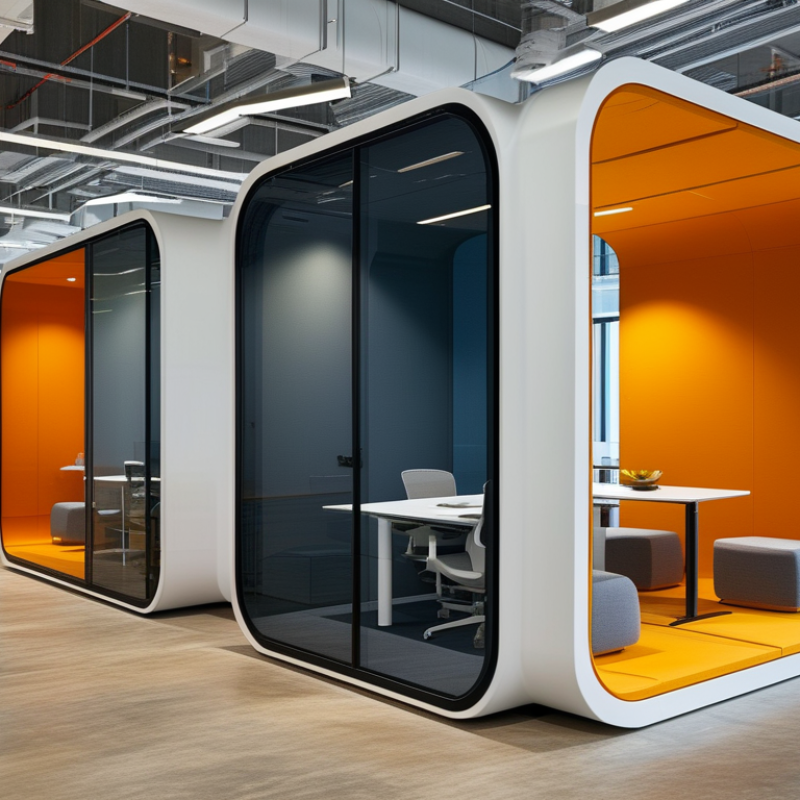
What is a Modular Office and How Does It Enhance Workspaces?

Definition of Modular Office and its Key Components

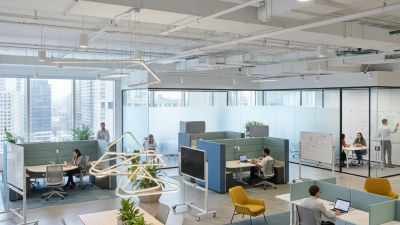
A modular office is a flexible workspace solution designed for adaptability and efficiency. Its key components include prefabricated sections, movable walls, and interchangeable furniture. This design allows businesses to quickly reconfigure their space as needs evolve. The idea is to create an environment that fosters collaboration while maintaining privacy when necessary.

Each modular office is built around a central theme of functionality. The sections can be combined or separated, depending on the requirements of a particular project. Teams can easily change layouts to encourage innovation. However, it’s essential to consider factors like proper acoustic treatment and privacy when designing these spaces. Overlooking these details can lead to distractions and reduced productivity.

Tips: Choose a color palette that promotes focus and creativity. Incorporate natural light to enhance mood. Don't rush the design process; reflect on your needs before making changes. Planning will save time and money in the long run. Engage employees in the decision-making process to ensure the space meets their functional expectations.

Benefits of Modular Offices for Modern Workspaces

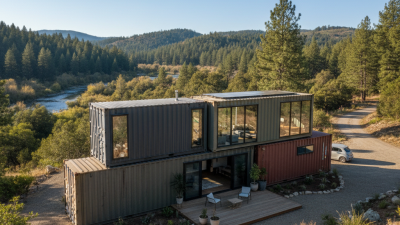
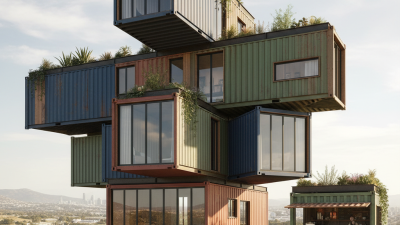
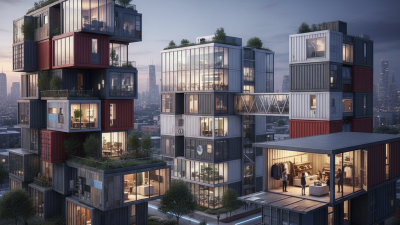
Modular offices have become increasingly popular in modern workspaces due to their flexible design and rapid deployment. Companies that adopt modular office solutions can reconfigure their spaces to meet evolving team needs. This adaptability allows businesses to optimize their work environments without the need for extensive renovations. Modular offices can be relocated, expanded, or redesigned, saving both time and money.


One significant benefit of modular offices is the enhanced collaboration it promotes. Employees can work in open spaces that encourage teamwork. Yet, privacy is still respected with the inclusion of private rooms when needed. This balance boosts productivity and encourages creativity among team members.


Tips: When designing a modular office, consider incorporating movable furniture. This can promote flexibility and allow for quick adjustments. Additionally, maximize natural light by using glass partitions. Better lighting can improve mood and overall job satisfaction. Lastly, think about acoustic treatments to ensure a comfortable working environment. Reflect on these aspects to create a space that truly meets your team's needs.

How Modular Offices Improve Flexibility and Collaboration

Modular offices are gaining popularity for their ability to enhance flexibility and collaboration in the workplace. These spaces can be easily reconfigured, allowing businesses to adapt to changing needs. For instance, teams can quickly shift from a quiet work area to an open collaborative space. This adaptability promotes better teamwork and innovation.

One effective way to improve flexibility is to incorporate movable partitions. These partitions can reshape the office layout without major renovations. Remember to choose lightweight materials for ease of movement. Multiple configurations encourage spontaneous discussions and brainstorming sessions, fostering a collaborative spirit.

Tips for successful modular office design: Incorporate natural light to energize spaces. Use bold colors to inspire creativity. Avoid overly complex designs that confuse users. Keep some furniture pieces on wheels for easy adjustments. On the other hand, ensure that not every space needs to be mobile; some fixed points provide stability in a dynamic environment. Striking the right balance is key.

Examples of Modular Office Designs and Configurations

Modular office designs offer versatile solutions tailored to modern workspaces. These configurations allow for quick adaptations to changing needs. For instance, a simple cubicle arrangement can be transformed into collaborative corners with minimal effort. This fluidity helps teams stay productive in different settings.

Consider a workspace that incorporates glass partitions. These walls create an open feel while maintaining privacy. Employees can still engage with each other visually while focusing on tasks. Another example includes mobile furniture, which can be rearranged or removed easily. This flexibility fosters a sense of ownership in the space.

However, the challenge lies in ensuring these designs meet everyone’s needs. Not all staff members thrive in open environments. Some may require quiet zones to concentrate. Thoughtful planning is crucial. A mixed approach that balances collaboration with focused work areas can lead to a more inclusive environment. Crafting the right modular setup demands ongoing assessment and adjustment.

What is a Modular Office and How Does It Enhance Workspaces? - Examples of Modular Office Designs and Configurations

Design Type Key Features Benefits Ideal For
Open Plan Flexible partitions, collaborative spaces Enhanced communication, teamwork Startups, Creative agencies
Private Offices Soundproof walls, personal workspace Increased productivity, privacy Executives, Consultants
Meeting Pods Enclosed spaces, technology integration Focused discussions, reduced distractions Teams, Project groups
Breakout Areas Casual seating, collaborative furniture Social interaction, idea generation All employees, Creative teams
Hot Desking Shared workstations, mobility Cost-effective, space optimization Freelancers, Remote workers

Future Trends in Modular Office Solutions and Design

The landscape of modular office design is evolving rapidly. According to a report by McKinsey, 83% of executives believe that flexible workspace solutions will become crucial in the next five years. As companies strive for adaptability, modular offices offer quick reconfiguration options. This flexibility can enhance collaboration and boost employee morale by creating spaces that foster teamwork.

Future trends indicate a shift toward eco-friendly materials and smart technology integration in modular designs. A recent study from the Global Workspace Analytics reveals that companies adopting modular offices saw a 25% increase in productivity. Implementing biophilic design elements can also improve employee well-being. Investing in natural light and green spaces is becoming a priority.

**Tip:** Consider using versatile furniture in your modular office to maximize space usage.

However, not all modular designs may effectively meet business needs. Some organizations may face challenges in blending aesthetics with functionality. Therefore, careful planning and input from employees are critical for success.

**Tip:** Regularly solicit feedback from your team on workspace functionality.

Designing a modular office that caters to every employee's needs can be tricky but worth the effort. A thoughtful approach ensures that spaces remain relevant and beneficial for years to come.

What is a Modular Office?

Modular offices are innovative workspaces that offer flexibility, cost efficiency, and enhanced collaboration. This chart illustrates the key benefits assessed by users on a scale from 1 to 10, highlighting their significance in modern workspace design.