
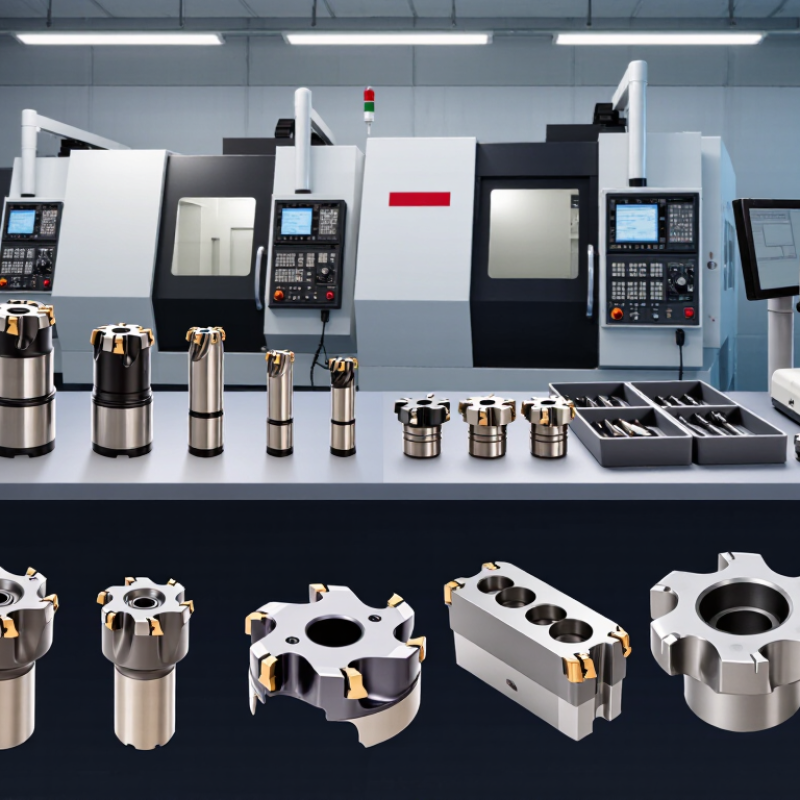
Choosing a China top chamfering cutter manufacturer requires more than checking price or catalog photos. Validate the cutting data first. A reliable supplier should explain how its cutter performs at 80–200 m/min cutting speed and 0.02–0.08 mm/tooth feed. These ranges are starting points, not promises. Material, cutter diameter, edge geometry, machine rigidity, and coolant can change the result.
In trial work, I begin near 100 m/min and 0.03 mm/tooth on mild steel. I inspect the chamfer under magnification after several passes. A clean edge, stable sound, and controlled burr indicate a reasonable setting. When vibration appears, I reduce radial engagement before changing everything else. This detail is often missed. For stainless steel, lower speed and stronger cooling may be necessary. For aluminum, chip evacuation becomes more important. The same data may fail badly.
Tips: Ask for test reports, recommended ranges, and real sample results. Check whether the manufacturer records tool life, burr size, and surface condition. Request a controlled trial using your material and machine. Do not accept one impressive cutting video as proof. It may use an unusually rigid setup. Feed values also need careful checking; 0.08 mm/tooth can improve productivity, but it may damage a thin component. I have seen operators blame the cutter when workholding was the real problem. That possibility deserves attention.