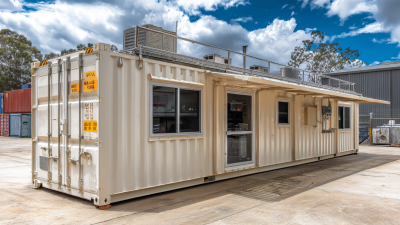
How to Buy a Cargo Container House Worldwide?

Buying a cargo container house worldwide can look simple: choose a design, pay a supplier, and arrange delivery. In practice, each stage requires careful verification. A reliable purchase begins with clear measurements, realistic budgets, and a written understanding of your intended use. Will the unit become a home, office, guest room, or temporary site facility? The answer affects insulation, ventilation, plumbing, electrical systems, and interior finishes.

The supplier’s experience matters. Review factory photographs, material specifications, independent customer feedback, and completed projects in similar climates. Ask whether the steel container is new or previously used, and request inspection records when available. Check weld quality, door alignment, floor condition, corrosion, and signs of chemical treatment. Small defects can become expensive after international shipping. They may also affect installation.

Global buying adds practical challenges. Freight routes, port handling, local transport, foundation preparation, and crane access must be considered before payment. Confirm the unit’s final dimensions and weight with the manufacturer. Discuss energy performance for your climate, especially in humid coastal areas or freezing regions. Local architects, engineers, and building authorities should review the proposal before construction begins.

A low price can mislead. So can attractive photographs.

There is no single purchasing route that suits every country. Import procedures, taxes, safety standards, and planning requirements differ by location. Even experienced buyers can overlook drainage or delivery clearance. This guide explains how to compare suppliers, verify quality, estimate total costs, and plan a safer purchase. It also highlights common mistakes, because a cargo container house is not merely a steel box. It is a building project requiring evidence, coordination, and patience.
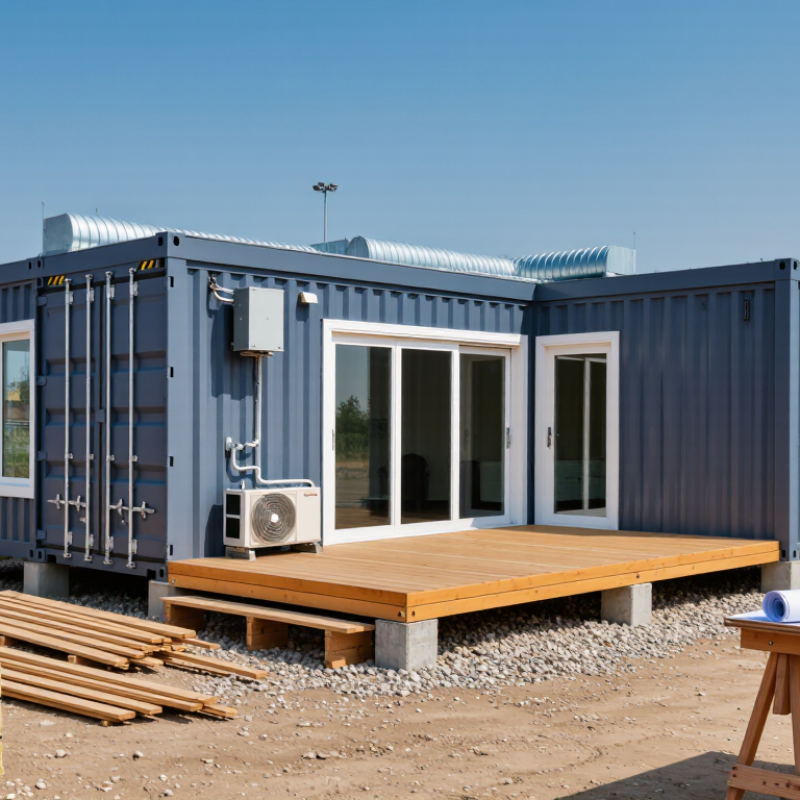
How to Buy a Cargo Container House Worldwide?

Select a Size: ISO 668 Gives 20-ft Containers 33 m³ of Volume

How to Buy a Cargo Container House Worldwide?

ISO 668 defines the nominal dimensions used for standard cargo containers. A 20-foot container commonly offers about 33 cubic meters of internal volume. That figure helps buyers compare transport capacity and housing plans across countries.

However, 33 m³ does not equal usable living space. Interior lining, insulation, wiring, plumbing, and wall framing reduce the room available. A compact bathroom may take several cubic meters. Kitchen cabinets also need careful planning. Do not treat 33 m³ as living space.

Measure the empty unit before purchase. Check the internal length, width, and ceiling height. Inspect the floor, corner posts, doors, roof, and welds for damage. In practical inspections, small dents can hide water entry or structural problems. A clean appearance is not proof of good condition.

Shipping routes create another variable. Port handling, inland delivery, crane access, and local taxes can change the final cost. Verify whether your site accepts the container’s dimensions and foundation method. Local building approvals may also require drawings, insulation values, fire protection, and utility plans. Even careful calculations can fail when access roads are too narrow. Leave space for mistakes.

Verify Safety: CSC Rules Require Inspections Within 5 Years, Then 30 Months

Buying a cargo container house worldwide requires more than checking photos, dimensions, and shipping costs. Safety documents deserve equal attention. Under CSC requirements, a container should receive its first examination within five years of manufacture. Later inspections generally occur at intervals of no more than 30 months. Check the CSC safety approval plate, identification number, manufacture date, and examination markings before payment.

Do not rely on a blurred certificate. Ask for clear records from a qualified inspection body. The inspector should examine corner castings, roof rails, floor structure, doors, welds, and visible corrosion. A container may look clean outside while hiding weakened steel beneath plywood flooring. That happens. Modified units need extra care. Cutting openings for windows, plumbing, or stairs can affect load paths and may change the container’s transport approval. Obtain engineering drawings and records for every structural alteration.

The CSC inspection confirms transport safety, not residential comfort or building-code compliance. You still need local approval for foundations, fire safety, insulation, electrical work, ventilation, and storm resistance. Requirements vary by country and sometimes by municipality. A careful buyer compares the container number with every document and arranges an independent inspection before delivery. Skipping that step may save money today, but repairing hidden corrosion after installation can become disruptive and expensive.

How to Buy a Cargo Container House Worldwide? - Verify Safety: CSC Rules Require Inspections Within 5 Years, Then 30 Months

Verification area Verified requirement or reference data What the buyer should check Practical buying decision
CSC safety status A freight container used in international transport must generally have a valid Convention for Safe Containers (CSC) safety approval plate. Request a clear photograph of the CSC plate and match its identification number with the container records. Do not rely only on a seller’s statement that the unit is “certified.”
First periodic examination The first periodic examination is required no later than 5 years after the container is first placed in service. Check the date of manufacture, date placed in service, and the next examination date shown in the container documentation or inspection system. Prefer a unit with sufficient remaining inspection validity for transport and delivery.
Subsequent examinations After the first periodic examination, examinations are generally required at intervals not exceeding 30 months, unless an approved continuous examination programme applies. Confirm the last inspection date, next due date, inspection method, and responsible inspection authority. Budget for inspection or renewal if the next 30-month deadline is approaching.
CSC plate information A safety approval plate normally identifies the approval reference, date of manufacture, maximum operating gross mass, allowable stacking load, and transverse racking test load. Check that the plate is permanent, legible, securely attached, and consistent with the container documents. Reject altered, missing, unreadable, or inconsistent plate information until independently verified.
Common external lengths Standard freight-container lengths commonly include approximately 6.06 m, 12.19 m, and 13.72 m nominal external lengths. Measure the actual exterior and confirm the planned transport method, site access, lifting points, and local setback requirements. Choose the smallest configuration that meets the floor-area requirement and delivery constraints.
Common external widths A standard intermodal container is commonly about 2.44 m wide externally; high-cube models generally retain the same nominal width. Allow for insulation, internal framing, wall finishes, doors, windows, and service chases, which reduce usable interior width. Use verified internal dimensions rather than nominal external dimensions when planning rooms and furniture.
Standard versus high-cube height Standard containers are approximately 2.59 m high externally; high-cube containers are approximately 2.90 m high externally. Actual internal height is lower. Verify the exact external and internal height after flooring, insulation, ceiling services, and roof treatment are included. Select high-cube construction where additional ceiling height is important and transport clearance permits it.
Structural condition The corner posts, top and bottom rails, cross-members, and floor frame are primary load-bearing components. Inspect for distortion, cracks, severe corrosion, unauthorized cuts, damaged welds, and weakened corner castings. Obtain an independent structural assessment before buying a heavily modified or repaired unit.
Modifications for housing Cutting openings for windows, doors, or services can change the load path and may affect transport approval and building-code compliance. Request engineering drawings showing reinforcement around every opening and all roof, wall, and floor changes. Have modifications reviewed by a qualified structural professional in the destination jurisdiction.
Floor and prior cargo use Used containers may have contaminated floors, residues, odors, or damage from previous cargo and treatment processes. Ask for cleaning records, cargo history where available, floor-material information, and an inspection for chemical or biological contamination. Use a documented, clean unit for residential conversion and replace unsuitable flooring materials.
Electrical and fire safety A CSC plate does not by itself approve a dwelling’s electrical, fire, plumbing, energy, or occupancy systems. Confirm local requirements for wiring, grounding, circuit protection, smoke alarms, emergency exits, fire resistance, and utility connections. Treat the container as a building component, not as proof of residential-code compliance.
Import and site approval Import procedures, customs documents, planning permission, foundation design, wind and snow loads, and occupancy rules vary by destination. Verify requirements with the destination customs authority, port or carrier, local planning office, and a qualified building professional. Secure transport, planning, and installation approvals before paying the full purchase price.

Note: CSC examination requirements apply to containers used in international transport. Converting a container into a house may create separate structural, planning, electrical, fire, energy, plumbing, and occupancy obligations under local law.

Plan the Conversion: Meet Local Codes for 2.44-m Width and 2.59-m Height

Buying a cargo container house worldwide starts with a dimensional check, not a glossy floor plan. Most standard units measure about 2.44 meters wide and 2.59 meters high externally. These figures describe the steel shell. Insulation, framing, flooring, and ceiling services reduce usable interior space. Measure twice.

Before ordering, ask the local building authority for written requirements. Rules may cover foundation anchoring, fire separation, emergency exits, ventilation, insulation, electrical work, plumbing, and accessibility. Snow, wind, flooding, and seismic risks also affect structural design. A 2.44-meter shell may need wider external stairs, ramps, or service clearances. The house must fit the plot, not only the truck.

Transport creates another practical limit. Confirm route height, bridge restrictions, lifting equipment, and delivery access before paying a deposit. Some roads cannot safely receive a 2.59-meter-high unit on its trailer. Request certified drawings showing external and internal dimensions. Check door locations, window openings, weld details, and corrosion treatment. A local engineer or qualified surveyor should review these documents. Their advice is usually cheaper than correcting a rejected installation.

A common mistake is trusting nominal dimensions. Real containers can vary slightly after repairs or modifications. I would also leave room for imperfect measurements, because construction rarely follows a perfect sketch. Keep approval records, material specifications, and inspection dates in one file. That evidence helps when officials, insurers, or future buyers ask how the home was built.

Calculate Landed Cost: Add Purchase, Freight, Customs, Cranes, and Installation

Buying a cargo container house worldwide starts with more than the advertised unit price. The real figure is the landed cost at your prepared site. Request a detailed quotation covering the container, conversion work, packaging, and export documentation. Confirm dimensions, gross weight, delivery terms, currency, and payment milestones in writing. Small omissions become expensive later. Include local sales tax, import duty, port fees, inspection charges, and inland transport.

Freight depends on origin, destination, season, container availability, and whether the unit travels flat-packed. Ask for both port-to-port and door-to-site estimates. A low ocean rate may hide terminal handling, storage, demurrage, or customs broker fees. Customs classification must match the actual structure and its components. Use a licensed customs professional for current local requirements. Rules vary widely. Do not estimate taxes from online calculators alone.

Plan crane access before shipment. Measure gate width, overhead cables, turning space, soil strength, and the crane’s lifting radius. Installation may require foundations, utility connections, weather sealing, leveling, and local trades. Add permits and site preparation, even when the house arrives finished. A practical contingency is wise, but the percentage should reflect site risk and currency movement. I would revisit every estimate after receiving shipping and foundation quotes. My earlier planning mistake would be treating installation as a minor line item. It can reshape the entire budget.

How to Buy a Cargo Container House Worldwide? — Calculate Landed Cost

Estimated landed cost for one 40-foot container house shipped from East Asia to representative global destinations. Costs include purchase, ocean freight, customs and taxes, crane handling, and installation. Actual prices vary by specifications, route, local regulations, and site conditions.

Figures are indicative USD estimates for international planning: purchase price is based on a finished 40-foot modular container unit; customs and taxes are modeled as destination import charges; crane and installation costs reflect typical urban or suburban site work.

Arrange Delivery: Check Incoterms, Port Access, and the 30.48-t Gross Limit

How to Buy a Cargo Container House Worldwide?

Arranging delivery starts with the Incoterm, not the online quotation. It defines who pays for loading, freight, insurance, customs, and unloading. DAP may simplify the buyer’s task, but it does not always cover crane work or local permits. FOB can appear cheaper, yet the buyer usually manages ocean freight and later transport. Ask the seller to write every responsibility into the contract. Vague wording creates expensive surprises.

Check the destination port before production begins. A container house may need a suitable berth, lifting equipment, and a truck route with enough clearance. Measure gate widths, turning areas, overhead cables, bridges, and road weight limits. I have seen delivery plans fail because the final street was too narrow for a loaded trailer. The port may accept the shipment, but the building site may not. That difference matters.

The 30.48-tonne gross limit requires careful calculation. Gross weight includes the container, structure, insulation, fixtures, furniture, and packing materials. Check the safety plate and request a verified weight before dispatch. Local roads, bridges, chassis, and cranes can impose lower limits. A legal ocean weight may still be unsuitable inland. I would also confirm the weighing method, because estimates are sometimes optimistic. Leave practical margin. Four hundred extra kilograms can change the transport plan. Keep the weigh certificate, packing list, dimensions, and lifting points available for the carrier and port authorities.