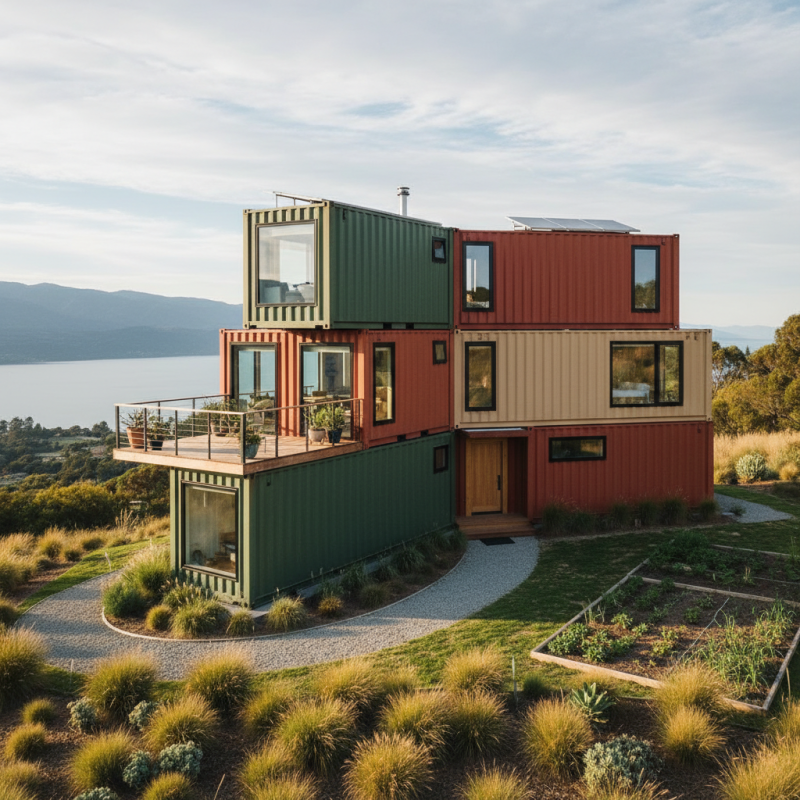
Building your own home is a dream for many, and with the rising popularity of freight container homes, this dream is becoming more accessible than ever. These innovative structures, repurposed from shipping containers, offer a unique blend of affordability, sustainability, and creative potential. As more individuals and families seek alternative living solutions, freight container homes present an exciting opportunity to construct a stylish and functional dwelling while minimizing environmental impact.
However, embarking on the journey of creating a freight container home requires careful planning and consideration. From selecting the right container to understanding zoning laws and ensuring proper insulation, there are numerous factors to keep in mind. In this guide, we will explore ten essential tips that will help you navigate the exciting process of building your freight container home. Whether you're looking to create a cozy retreat, a spacious family residence, or an eco-friendly vacation spot, these insights will provide you with the foundational knowledge necessary to turn your vision into reality. Get ready to learn how to transform a simple shipping container into your dream living space.
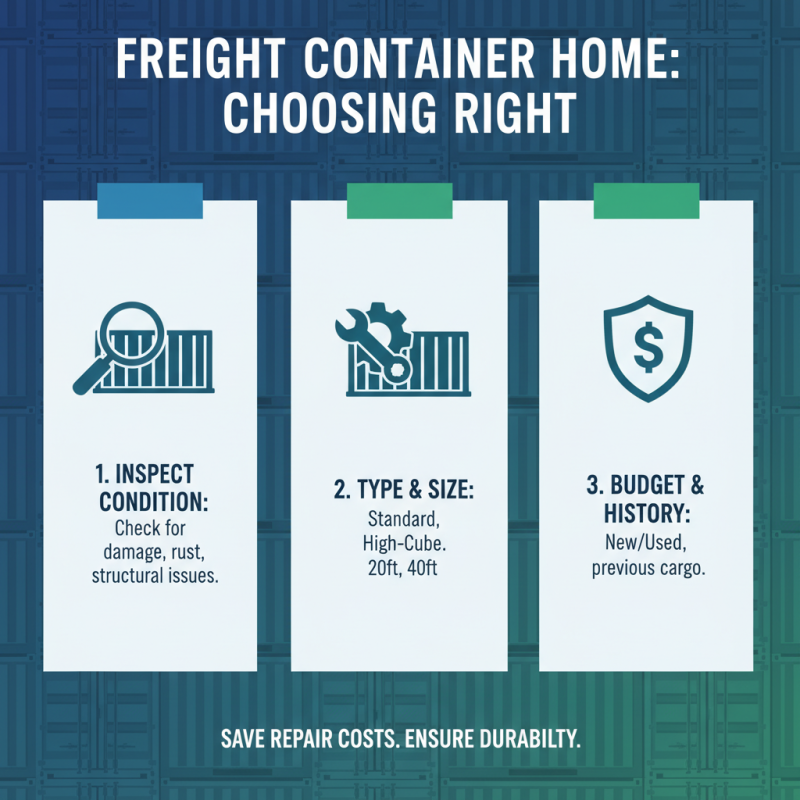
When considering building a freight container home, choosing the right container is paramount to ensuring a successful project. Several key factors come into play when making this decision. First, inspect the condition of the container thoroughly. Look for signs of damage, rust, or structural issues that could compromise the integrity of your future home. A well-maintained container will save you significant repair costs down the line.
Another critical consideration is the size of the container. Standard dimensions include 20-foot and 40-foot options, but the space you choose should reflect your needs and design aspirations. Remember that multiple containers can be combined to create larger living spaces, providing flexibility in layout and functionality. Additionally, think about insulation and ventilation; the metal can become extremely hot or cold based on the climate, so investing in proper insulation is essential for comfort.
When building your freight container home, keep in mind important tips such as considering the local climate in your design process. Utilize strategically placed windows for natural light and ventilation. Moreover, ensure compliance with local building regulations, as these can vary significantly and affect your project's viability. Thoughtful planning and consideration of these factors will help in crafting a sustainable and enjoyable living environment in your new container home.
When it comes to planning and designing your freight container home layout, the key is to maximize both space and functionality. The average shipping container measures 20 feet or 40 feet in length, providing a significant canvas for creativity. According to a recent report by the Container Home Association, leveraging the natural modularity of containers can optimize small living spaces, with many designs achieving upwards of 200 square feet in usable area while still maintaining comfort and practicality.
When sketching out your layout, consider the flow between spaces. An open floor plan can enhance the feeling of spaciousness while allowing natural light to permeate your home. It's crucial to allocate areas not just for living and sleeping, but also for storage and utility. For instance, integrating built-in furniture can save space, and using multifunctional pieces can enhance usability.
Tip: Always factor in window placement when planning your design, as proper ventilation and lighting can significantly impact your living experience. Additionally, investing in good insulation is essential. Studies indicate that appropriate insulation can reduce energy costs by up to 30%, making your container home not only comfortable but also eco-friendly. Remember, adhering to local building codes is vital, so researching regulations early in your planning will save time and potential expenses later.
When embarking on the journey of building a freight container home, understanding the essential building codes and regulations is crucial. These codes ensure that your construction is safe, sustainable, and compliant with local laws. Different regions may have specific zoning laws that dictate where you can place a container home, how many you can have on a lot, and the overall aesthetic requirements. It's vital to consult local government offices or building departments to familiarize yourself with these regulations, as they can vary significantly from one locality to another.
Additionally, safety standards for construction materials and structural integrity are paramount. Many areas require compliance with the International Building Code (IBC) or specific local codes that govern residential construction. Factors such as insulation, structural design, electrical work, and plumbing must be up to standard to pass inspections. Seeking guidance from professionals familiar with container home projects can help navigate these complexities, ensuring that your home not only meets legal requirements but also provides a safe and comfortable living environment. Engaging in this proactive approach will prevent potential issues down the line and safeguard your investment.
| Tip Number | Tip Description | Important Considerations |
|---|---|---|
| 1 | Choose the Right Site | Assess accessibility, utilities, and local zoning laws. |
| 2 | Understand Local Building Codes | Research regulations specific to container homes. |
| 3 | Insulation and Ventilation | Ensure proper insulation and ventilation to avoid condensation. |
| 4 | Foundation Requirements | Determine the type of foundation needed for support. |
| 5 | Plumbing and Electrical Planning | Plan for plumbing fixtures, outlets, and wiring. |
| 6 | Design for Natural Light | Incorporate windows and skylights in your design. |
| 7 | Energy Efficiency | Consider solar panels and energy-efficient appliances. |
| 8 | Utilize Outdoor Space | Plan for decks, gardens, and outdoor living areas. |
| 9 | Choose Quality Containers | Select containers with minimal rust and damage. |
| 10 | Hire Experienced Professionals | Consult architects and builders familiar with container homes. |
When it comes to building your own freight container home, insulation and climate control are pivotal to creating a comfortable living space. One effective method for insulating your container is to use spray foam insulation. This technique provides an airtight barrier that maintains temperature stability, reducing the need for extensive heating or cooling. It's essential to apply it thoroughly, especially in the corners and seams, where heat loss is most prevalent.
Another key consideration is the installation of windows and ventilation systems. Natural light can significantly enhance your living experience, so adding strategically placed windows can brighten the interior. Additionally, incorporating passive ventilation solutions, like vents or small openings, can facilitate airflow, reducing humidity and improving indoor air quality. It's wise to use energy-efficient materials to ensure that your container remains a cozy sanctuary throughout the seasons.
Finally, think about climate control systems that align with your lifestyle. A mini-split air conditioning unit can provide both cooling in the summer and heating in the winter, ensuring year-round comfort. If you're in a colder climate, adding thermal mass materials inside your container can help retain heat during cooler nights. By carefully implementing these insulation and climate control techniques, you can transform a freight container into a practical and comfortable home tailored to your needs.
When embarking on the journey of building your own freight container home, one of the critical aspects to consider is sourcing quality materials and potential upgrades to enhance your living space. Start by ensuring your shipping containers are in good condition, checking for structural integrity and any signs of rust or damage. Selecting the right size and quantity for your needs can significantly impact the overall layout and functionality of your home.
Tip: Always assess the container’s previous use to avoid any hidden issues. Containers previously used for transporting chemicals or perishables may require thorough cleaning or even refurbishment.
Once you've secured your containers, consider upgrading insulation and ventilation. Proper insulation is vital to maintaining comfort year-round, whether in harsh winter or sweltering summer conditions. Explore eco-friendly materials, such as spray foam or rigid foam boards, which are effective in providing insulation.
Tip: Investing in high-quality windows and doors not only improves aesthetics but also contributes to energy efficiency, reducing long-term costs. Additionally, consider utilizing reclaimed or sustainable materials for interior finishes to create a unique and environmentally-friendly space.