
Choosing between dishwasher powder and tablets can be confusing. Each option has its own advantages and disadvantages. Understanding their differences is essential for effective cleaning.
Dishwasher powder offers versatility. You can adjust the amount based on your load size. However, measuring can be messy and inconvenient. On the other hand, tablets provide ease of use. They dissolve completely, leaving no residue. Yet, they can be more expensive and less flexible.
In the debate of "Dishwasher Powder Vs Tablets," it's important to consider your specific needs. Think about your lifestyle and dishwashing habits. Both options have their strengths and weaknesses. Awareness of these factors will help you make an informed choice.
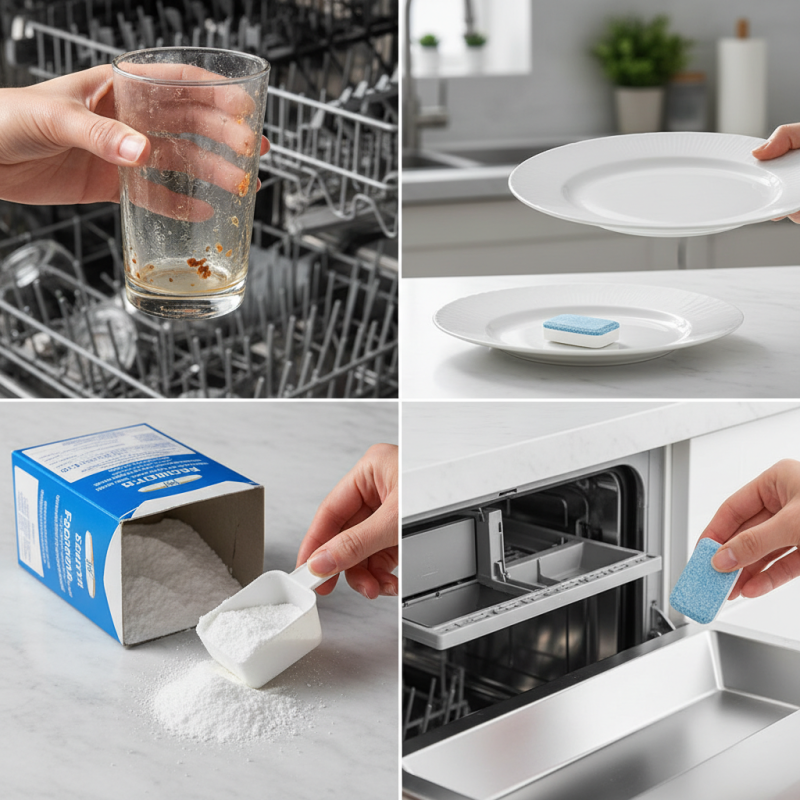
Dishwasher powder is a popular choice among many users for its effectiveness and versatility. Its composition often includes enzymes and surfactants, which help break down food particles and grease. These ingredients work efficiently in hot water, dissolving quickly to penetrate tough stains. Unlike tablets, powder allows for more precise dosing, letting users adjust the amount based on the load size.
However, measuring the right amount can be tricky. Some users may accidentally use too much, leading to oversudsing or residue on dishes. This can result in mixed cleaning results. Additionally, the storage of powder can be inconvenient. If not sealed properly, moisture can cause clumping, making it less effective.
Despite these challenges, many appreciate the customizable aspect of powder. It offers flexibility for different cleaning needs. Ultimately, while dishwasher powder shows great efficiency, careful measurement and proper storage are crucial to maximize its potential and achieve optimal cleaning results.

Tablets have gained popularity in the dishwashing category due to their convenience and precise dosage. These compact units simplify the process of loading the dishwasher. Users can avoid the common mistakes of measuring powder, which can lead to overuse or underuse. A report from the European Cleaning Journal indicates that nearly 70% of consumers prefer tablets for their ease of use.
Moreover, tablet formulations often feature advanced cleaning agents. These agents are designed to target tough stains effectively while being gentle on dishes. According to a survey by the International Dishwashing Association, 85% of respondents asserted that they noticed improved cleanliness and shine when using tablets over powder. This suggests that tablets may offer superior cleaning performance, especially for busy households.
However, potential downsides do exist. Tablets can be less flexible in terms of dosage adjustment. If a user needs to wash a smaller load, they might find themselves using more than necessary. Some tablets may also require a longer dissolution time, which can affect the overall wash cycle efficiency. This aspect raises questions about their suitability for all dishwashing scenarios.
When comparing dishwasher powder to tablets, cost-effectiveness is a key factor. A recent industry report shows that powder generally costs less per wash than tablets. In most cases, a 75-ounce container of powder can wash around 90 loads for about $12, while a box of tablets might cost $15 for only 45 washes. This indicates a significant difference in long-term savings.
However, convenience and user experience play important roles. Tablets are pre-measured, which eliminates the guesswork. This can be especially beneficial in busy households. Yet, some users have reported that tablets may not dissolve completely in all water conditions, leading to residue on dishes. Meanwhile, powder can be more versatile and easily adjusted to different wash loads. But it requires careful measuring, which can be inconvenient for some.
Data from recent consumer surveys suggests that 80% of users prefer the ease of tablets, yet many admit to frustration with performance issues. In contrast, only 65% found powder satisfactory, but appreciated the economic advantage. Ultimately, the choice between powder and tablets hinges on what users prioritize: cost savings or convenience. Each option has strengths and weaknesses that should be carefully considered based on individual needs.
Choosing between dishwasher powder and tablets can often hinge on their environmental impact. Research shows that many cleaning agents in these products can take years to biodegrade. For instance, studies indicate that phosphate compounds, commonly found in dishwasher detergents, profoundly affect aquatic ecosystems. When these substances enter water bodies, they can lead to excessive algae growth, which disrupts local biodiversity.
While some tablets may promise efficiency, their ingredients can be less eco-friendly. Powders often provide more control over dosage and tend to have fewer fillers. Data from environmental organizations reveals that using powder can result in less packaging waste and a smaller carbon footprint during production. This is crucial as consumers increasingly seek greener alternatives.
**Tip: Look for biodegradable options.** Many brands now offer formulas that break down more efficiently.
**Tip: Consider packaging waste.** Choose products with minimal or recyclable packaging to further reduce your environmental footprint.
Exploring the impact of your cleaning choices can help you make a better decision for the planet. Remember, every small change counts in the fight for a more sustainable future.
When choosing between dishwasher powder and tablets, user preferences often guide the selection process. Many surveys reveal that performance feedback plays a critical role in satisfaction ratings. Users generally cite ease of use as a significant factor. Tablets are favored for their convenience, aligning well with busy lifestyles. Powders can sometimes require measuring and may leave residue if not used correctly.
Moreover, user experiences indicate diverse outcomes with each product type. While some users report superior cleaning with powder, others find tablets easier to store and handle. Performance variability can be attributed to factors like water hardness and dishwasher model. Some users express frustration when one type fails to meet expectations. This inconsistency can lead to reflection on personal needs and preferences.
Satisfaction depends on individual circumstances. Those with tougher stains might lean toward powders, while casual users might opt for tablets. Feedback loops, created through surveys, can inform manufacturers about successes and areas for improvement. Ultimately, understanding personal dishwashing habits plays a crucial role in making an informed choice.