Why Cargo Container Construction is the Future of Sustainable Building?

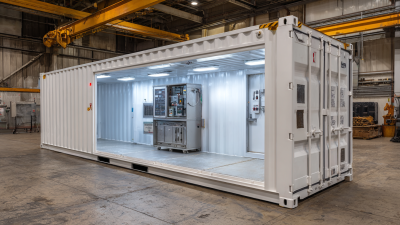
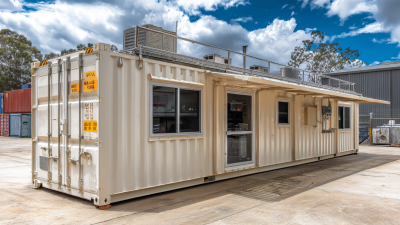
In recent years, the concept of sustainable building has gained significant traction as both environmental concerns and the need for efficient housing solutions become increasingly urgent. One of the most promising developments in this field is cargo container construction. This innovative approach utilizes repurposed shipping containers to create versatile, eco-friendly structures that are both cost-effective and durable. The inherent strengths of cargo containers—their robust structure, modular design, and availability—make them an ideal choice for a wide range of building applications, from residential properties to commercial spaces.
Why Cargo Container Construction is the Future of Sustainable Building?

As we delve deeper into the advantages of cargo container construction, we'll explore how this method not only minimizes waste by repurposing unused containers but also drastically reduces carbon emissions associated with traditional construction materials. By adapting and transforming these containers into livable spaces, architects and builders are not only addressing the growing demand for affordable housing but also championing a more sustainable future.

This article will examine the various facets of cargo container construction, highlighting its potential to revolutionize the architecture landscape while promoting environmental stewardship in the building industry.

The Rise of Cargo Container Construction in Sustainable Architecture

The rise of cargo container construction represents a significant shift towards sustainable architecture, driven by the need for more efficient and eco-friendly building practices. According to a report by the Modular Building Institute, modular construction, including cargo containers, can reduce construction waste by as much as 90%. This aligns with global sustainability goals, as reducing waste is critical in the fight against climate change. Additionally, the use of repurposed shipping containers minimizes the demand for new raw materials, thus conserving natural resources and lowering carbon footprints associated with traditional building methods.


Furthermore, cargo container buildings are inherently energy-efficient. A study published by the American Institute of Architects pointed out that structures made from shipping containers can achieve energy efficiencies that are 30% higher than those built with conventional materials. These containers can be easily insulated and made energy-efficient, and their compact nature allows for innovative designs suitable for urban environments.


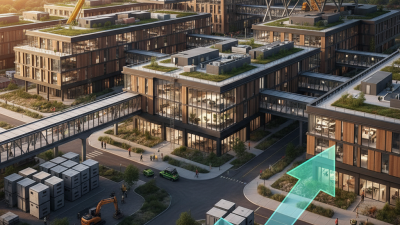
As property prices soar and urban space becomes increasingly limited, cargo container construction presents a viable solution that meets the dual demands of sustainable living and affordable housing, catering to both environmental and socioeconomic needs.
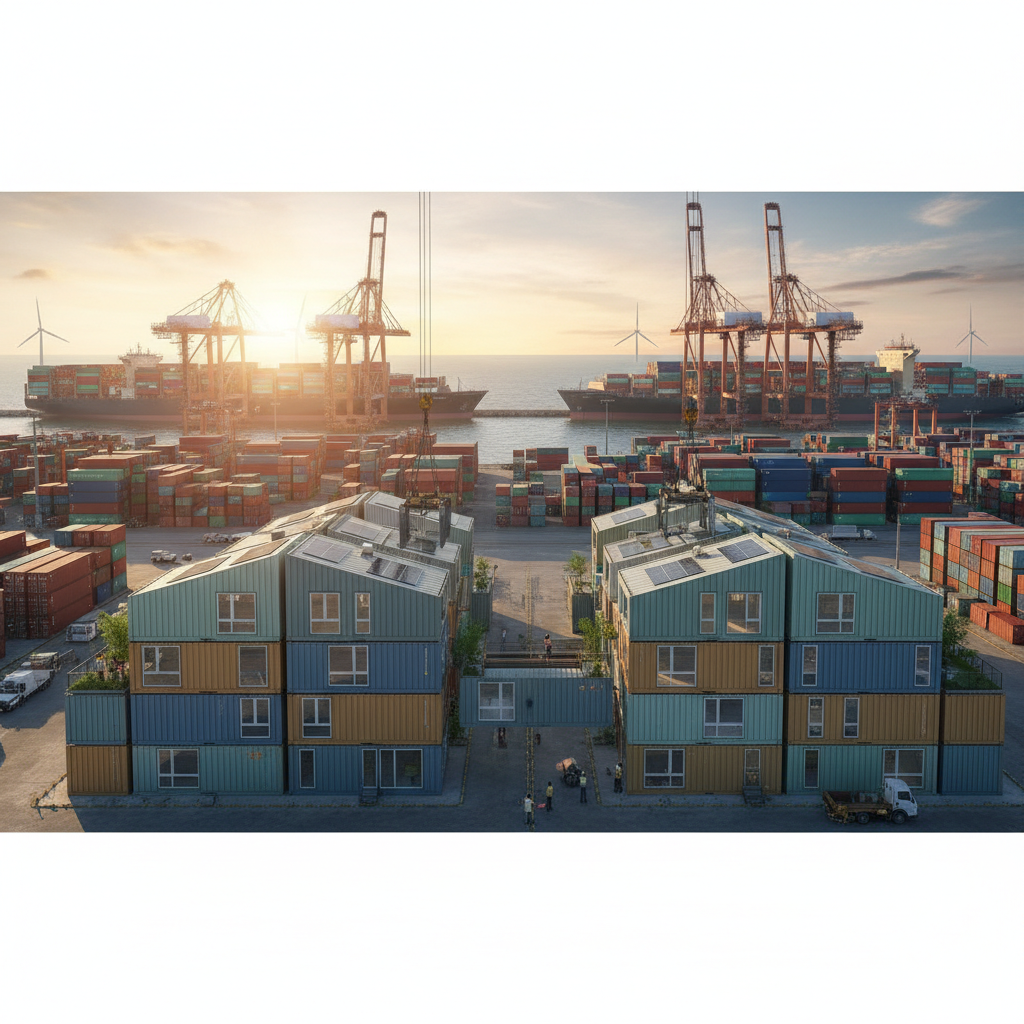
Key Environmental Benefits of Using Cargo Containers in Building Projects

The use of cargo containers in construction is gaining traction as a sustainable alternative to traditional building methods. According to a report by the World Economic Forum, the construction industry is responsible for 39% of global carbon emissions, making the need for eco-friendly practices imperative. Cargo containers, often repurposed from shipping, reduce waste and minimize the demand for new materials. This repurposing can divert an estimated 500 million used containers from landfills annually, significantly mitigating the environmental impact associated with new construction.

Moreover, cargo container architecture offers superior energy efficiency. The U.S. Department of Energy points out that modular buildings, which include container homes, can lead to energy savings of up to 30% compared to conventional structures. The insulating properties of containers also allow for reduced energy consumption throughout the building's lifecycle. These attributes highlight the potential of cargo container construction as a viable solution for reducing the carbon footprint of housing and commercial projects, making it a compelling choice for forward-thinking builders and developers committed to sustainability.

Economic Advantages: Cost Savings and Efficiency in Container Construction

Why Cargo Container Construction is the Future of Sustainable Building?

As the construction industry faces increasing pressures to adopt sustainable practices, cargo container construction is emerging as a viable solution, particularly highlighted by recent developments in Zhejiang's Ningbo-Zhoushan Port. This port, now boasting the remarkable achievement of being the only one in the world to host two "10 million TEU" container terminals, exemplifies how enhanced logistics efficiency can lead to significant economic advantages. Efficiency in construction using cargo containers not only reduces material waste but also accelerates project timelines, allowing for rapid deployment and lower overall costs.

Industry reports indicate that container construction can save up to 30% on costs compared to traditional building methods. With an ever-growing need for sustainable housing solutions, the adaptability of cargo containers, often sourced through global trade routes, can also lead to lower transportation costs, especially as ports like Ningbo-Zhoushan facilitate smoother cargo movement. The increased throughput at these ports, which reached historic highs in container and cargo volumes earlier this year, further reinforces the economic rationale behind this innovative construction method. By capitalizing on such advancements in logistics, the construction industry can not only meet the demands for structures more efficiently but also align itself with contemporary sustainability goals.

Innovative Design Possibilities: Creating Unique Spaces from Shipping Containers

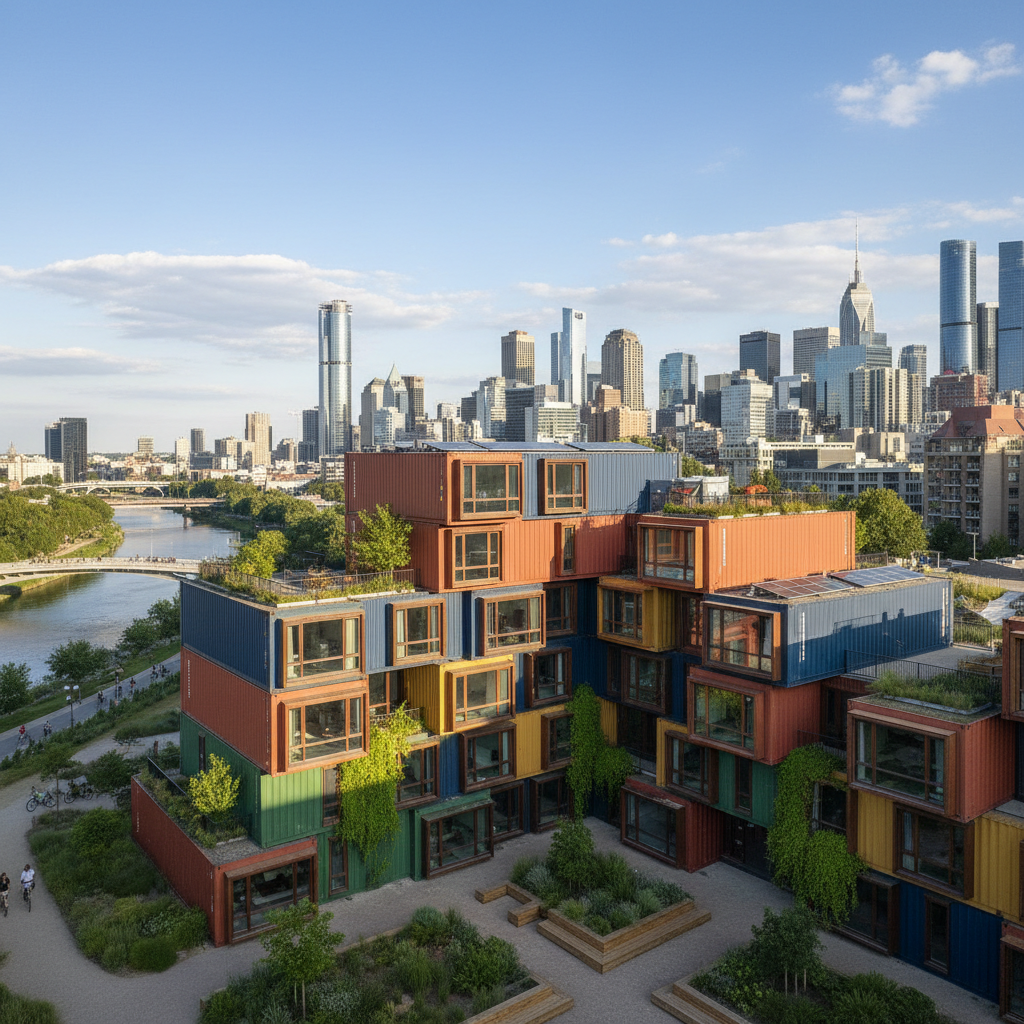
Shipping containers, originally designed for transporting goods across oceans, have emerged as a revolutionary building material in the realm of sustainable architecture. Their robust structure and modular nature allow for innovative design possibilities that transform these utilitarian boxes into unique living spaces, offices, and community hubs. By stacking and rearranging containers, architects can create customized environments that cater to diverse needs while maintaining a minimal ecological footprint.

The versatility of container construction extends beyond mere aesthetics. Creative architects are reimagining how these structures can be integrated with nature, introducing features like green roofs, large windows, and energy-efficient systems. The square footage can be tailored to fit small urban plots or expansive rural landscapes, enabling the creation of everything from compact homes to elaborate multi-container complexes. This inventive approach not only promotes a sustainable lifestyle, but it also challenges traditional concepts of architecture, inspiring a new generation of builders and homeowners to embrace a more eco-friendly future.

Case Studies: Successful Cargo Container Projects Leading the Sustainable Movement

Cargo container construction is not just a trend; it’s a revolutionary approach that addresses both housing demands and sustainability. For instance, the "Container City" project in London has successfully transformed shipping containers into affordable housing units, showcasing that innovative design can meet modern living standards while minimizing waste. According to a report by the World Economic Forum, building with shipping containers can reduce construction waste by up to 90% compared to traditional building methods.

Another notable project is the "Cargotecture" movement in the United States, where shipping containers have been converted into everything from homes to offices. These projects highlight the versatility of cargo containers as they can be easily stacked, transported, and customized. A study from the International Journal of Environmental Studies indicates that using salvaged materials like shipping containers can lead to a significant reduction in carbon emissions, estimated at 60% less than conventional building practices.

Tips: When considering cargo container construction, always assess local building regulations to ensure compliance. Additionally, think creatively about the design—using large windows and proper insulation can enhance energy efficiency and livability. Finally, factor in transportation costs, as logistical planning is crucial to the overall sustainability of your project.

Conclusion

Cargo container construction is emerging as a pivotal solution in the realm of sustainable architecture. This innovative building method leverages repurposed shipping containers, offering significant environmental benefits, such as reduced waste and minimal carbon footprint. Additionally, the economic advantages are compelling; the use of cargo containers can lead to substantial cost savings and increased efficiency in construction processes.

Moreover, the versatility of cargo container construction allows architects to create unique and imaginative living spaces, transforming the conventional approach to building design. Case studies of successful projects demonstrate the capability of cargo container construction to lead the sustainable movement, showcasing effective adaptations in various environments. Looking ahead, advancements in technology will further enhance container building practices, solidifying its role in shaping the future of eco-friendly construction.