How to Use Cargo Container Construction for Sustainable Projects?

Cargo container construction has gained traction as a unique, sustainable building solution. With rapid urbanization, the construction industry faces environmental challenges. According to the Global Status Report on Buildings and Construction, buildings are responsible for 39% of global carbon emissions. Cargo containers offer a way to mitigate this impact. Their reuse reduces waste and promotes a circular economy.

Incorporating cargo container construction can lead to significant cost savings. A report by the World Economic Forum indicates that container homes can be built for 30-50% less than traditional methods. However, this method is still evolving. There are concerns about insulation, fire safety, and local regulations. It's essential to address these issues thoughtfully.

While the benefits are clear, challenges remain. Not all areas are equipped to adapt to cargo container-based projects. This requires careful planning and creativity. As communities seek sustainable solutions, cargo container construction presents an innovative alternative. By addressing both advantages and challenges, this method can resonate with eco-conscious builders.
How to Use Cargo Container Construction for Sustainable Projects?

Benefits of Using Cargo Containers for Sustainable Construction Projects

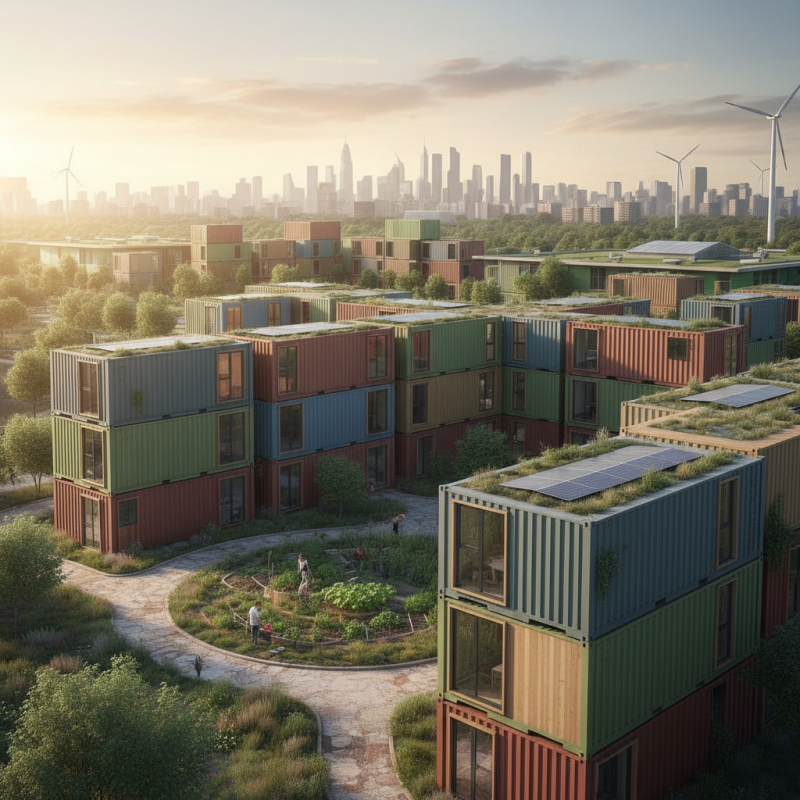
Cargo container construction is becoming popular for sustainable projects. These containers are often reused and repurposed, reducing waste. They offer durability and can withstand various weather conditions, benefiting long-term construction.

Using cargo containers also lowers the demand for traditional building materials. This means less deforestation and fewer emissions from manufacturing. The unique design potential of these containers allows for creative architectural solutions. They can be transformed into homes, offices, and pop-up shops. However, adapting them presents challenges. Insulation and ventilation can be tricky. It's important to carefully plan each project.

Tips for using cargo containers: Always assess local regulations before starting. Some areas have strict codes regarding container use. Consider investing in renewable energy sources like solar panels. This can enhance sustainability. Lastly, remember to engage with the community. Their input can improve project acceptance and success.
Benefits of Using Cargo Containers for Sustainable Construction Projects

Innovative Design Strategies for Cargo Container Buildings and Structures

How to Use Cargo Container Construction for Sustainable Projects?

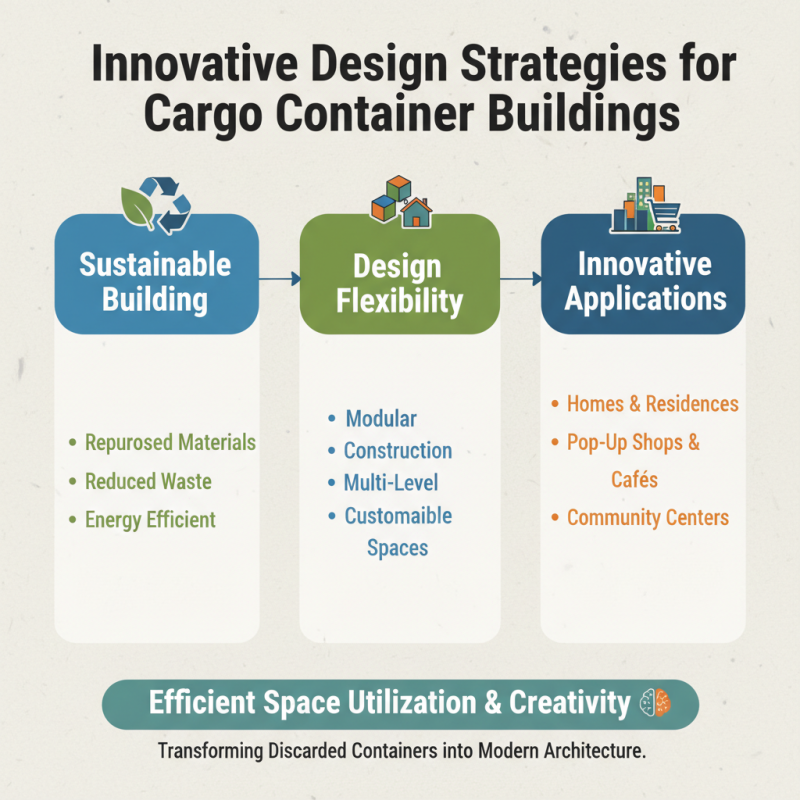
Cargo container construction offers a unique solution for sustainable building projects. These containers, often discarded, can be repurposed into innovative structures. Designing with cargo containers encourages creativity. Architects can create multi-level homes, pop-up shops, or community centers using these materials. This design flexibility leads to more efficient use of space.

Utilizing containers has its challenges. Proper insulation is crucial for comfort. Without it, inhabitants may face extreme temperatures. Planning for plumbing and electrical systems can also be complex. Yet, overcoming these hurdles often results in distinctive aesthetics. The industrial look of containers attracts many. Integrating greenery and natural light can enhance the experience.

The sustainability aspect is significant. Repurposing containers reduces waste and minimizes the carbon footprint. It promotes the idea of circular economy principles. However, not all containers are suitable for conversion. Ensuring structural integrity is essential. Some containers may have hazardous residues or damage. A thorough assessment is necessary for safety. Thus, innovative design in cargo container construction is an evolving field, rich with potential and lessons to learn.

Environmental Impact and Lifecycle Assessment of Container Construction

The environmental impact of cargo container construction is significant. Shipping containers, often viewed as waste, can be repurposed for sustainable building projects. This recycling reduces landfill contributions and conserves raw materials. Container construction often utilizes metal, which is durable and can withstand elements, minimizing long-term environmental degradation.

Lifecycle assessment reveals that the energy required for traditional building materials far exceeds that of container conversion. When comparing the two, it becomes clear that using containers often leads to lower carbon footprints. However, projects can stumble when underestimating the importance of insulation and structural integrity. Containers require proper design to avoid thermal inefficiencies.

Tips: Always evaluate the ecological footprint of your materials. Investigate local regulations before beginning your project. Consider the long-term benefits over initial costs. Evaluate your design for flaws, as improper use of containers can lead to costly retrofits. While container construction offers sustainability, thoughtful planning is essential for success.

How to Use Cargo Container Construction for Sustainable Projects? - Environmental Impact and Lifecycle Assessment of Container Construction

Aspect Container Construction Traditional Construction Sustainability Score
Material Usage Recycled steel Concrete, wood 8/10
Construction Time 2-3 months 6-12 months 9/10
Carbon Footprint Low High 9/10
Energy Efficiency High thermal insulation Average 8/10
Waste Generation Minimal High 9/10
Cost Moderate High 7/10

Cost Analysis: Budgeting for Cargo Container Sustainable Projects

When embarking on a sustainable cargo container project, cost analysis is crucial. Each container's purchase price can vary significantly. On average, a single container may cost anywhere from $1,500 to $5,000. However, transportation and delivery costs must also be considered. These expenses can add hundreds to thousands of dollars depending on the distance.

Renovation costs can also add complexity. Basic modifications, like insulation or windows, can range from $2,000 to $10,000. More extensive renovations like plumbing and electrical work will escalate this cost. Keep in mind, these figures are just estimates. Unexpected expenses often arise during construction. Budgeting carefully and allowing for contingencies is wise.

Energy-efficient features can also impact the budget. Solar panels might require a significant upfront investment but lead to long-term savings. Each project's sustainability goals will affect these choices. Analyzing these factors thoroughly ensures better financial planning. By staying flexible and realistic about costs, projects can remain sustainable and economically viable.

Best Practices for Cargo Container Construction and Compliance with Codes

Cargo container construction presents unique opportunities for sustainable building. Utilizing containers reduces material waste and promotes recycling. However, compliance with building codes and regulations is crucial for successful projects. Understanding local zoning laws and safety standards is the first step. This knowledge ensures that your design is not only innovative but also legal.

Proper insulation is essential in container construction. Containers are made of metal, which absorbs heat. This can create uncomfortable living spaces without adequate insulation. Insulation helps regulate indoor temperatures. It can also improve energy efficiency. The choice of insulation materials can greatly impact both comfort and sustainability.

It's important to consider structural integrity. Modifying containers may compromise their strength. Therefore, engage with professionals familiar with cargo container construction. They can guide you through safe design modifications. Regular inspections during the construction process will help identify potential issues early on. These practices enhance the reliability of your sustainable project and ensure long-lasting results.