
In recent years, the trend of buying shipping container homes has gained significant traction, driven by a desire for affordable and sustainable housing solutions. According to the Container Housing Market Report 2021 by Market Research Future, the global container housing market is projected to expand at a compound annual growth rate (CAGR) of around 6% from 2021 to 2027. This surge in popularity is not only attributed to the sleek, modern aesthetic of these homes but also their versatility and eco-friendly attributes.
As prospective homeowners consider the challenges of traditional housing markets, many are turning their attention to innovative options like shipping container homes. These structures can be modified to meet various requirements, allowing for both permanent living spaces and transitional housing solutions. Furthermore, the customizability and lower construction costs associated with shipping containers are appealing to a wide demographic, including young professionals and environmentally conscious individuals. With careful planning and knowledge of local regulations, buying a shipping container home can be an exciting venture that meets the growing demand for unique and sustainable living spaces.

Shipping container homes have gained significant popularity in recent years, providing a unique and sustainable living solution. According to a report from Grand View Research, the global market for shipping container homes was valued at approximately $73 million in 2020 and is projected to rise as demand for affordable housing increases. The versatility of these containers allows for various designs and adaptations, making them suitable for a range of environments, from urban areas to rural settings.
One of the key advantages of shipping container homes is their eco-friendliness. Utilizing repurposed materials, these structures can significantly reduce waste compared to traditional home-building methods. The U.S. Environmental Protection Agency notes that construction waste accounts for nearly 30% of all waste in landfills. By choosing a shipping container home, buyers contribute to sustainability efforts while enjoying a trendy and modern living space. Additionally, these homes can often be constructed at a lower cost than conventional building methods, making them an attractive option for first-time homeowners and those seeking to downsize.
However, potential homeowners should consider factors such as insulation and local zoning regulations before purchasing a shipping container home. Insulation is crucial to maintain comfort during extreme weather conditions, and proper planning is necessary to ensure compliance with building codes. A study by the Container Home Association indicates that successful implementation of these homes often hinges on local acceptance and the flexibility of zoning laws. Thus, understanding the intricacies of shipping container homes can pave the way for a fulfilling and eco-conscious living experience.
When considering a shipping container home, assessing your needs and budget is crucial to making an informed decision. Start by determining the purpose of the container home. Will it serve as a primary residence, a vacation retreat, or perhaps a rental property? Understanding how you intend to use the space will guide your decisions regarding size, layout, and amenities. Evaluate the number of residents or guests you expect to accommodate and prioritize features that will enhance your living experience, such as separate rooms, outdoor space, and energy efficiency options.
Once you have a clear vision of your needs, establish a realistic budget. Shipping container homes can vary significantly in price based on factors such as size, condition, and customization. Plan for not only the initial purchase cost but also additional expenses like land acquisition, permits, and utility connections. It’s wise to set aside a contingency fund for unexpected costs during the renovation or construction phase. Research local market prices and consider reaching out to professionals who specialize in container conversions to gain insights into potential expenses and savings. By carefully assessing your needs and budgeting accordingly, you can create a living space that reflects your lifestyle while staying financially manageable.
When it comes to buying a shipping container for your home, selecting the right size and quality is crucial. Shipping containers come in various sizes, typically ranging from 20 feet to 40 feet in length. The size you choose should depend on your intended use—whether for a single small dwelling, a multi-container project, or additional storage space. For a basic living area, a 20-foot container may suffice, while larger families or those seeking more amenities might lean towards the 40-foot version. It's important to consider both the interior layout and the potential for stacking or combining containers to maximize space.
Quality is another critical factor. Shipping containers are categorized into new and used options, with new containers providing a cleaner and more durable structure, but at a higher cost. Used containers, while more affordable, may have wear and tear or structural concerns that could impact their suitability for habitation. Inspecting the container for rust, signs of leaks, and overall structural integrity is essential. Furthermore, ensuring that the container has not been involved in transporting hazardous materials is vital for safe living conditions. Making the right decisions on size and quality will pave the way for a successful shipping container home project.
When considering the purchase of a shipping container home, understanding the legal considerations and zoning regulations is crucial for a successful project. First, potential buyers should research local building codes, which can vary significantly from one jurisdiction to another. Many areas have specific regulations regarding the use of shipping containers as residential structures. These regulations may cover aspects such as minimum square footage, sanitary requirements, structural safety, and energy efficiency standards. Without adhering to these codes, homeowners may face fines or even have to dismantle their homes.
Zoning regulations are another important factor to consider when planning to use a shipping container as a residence. Zoning laws dictate what types of structures can be built in certain areas, which often includes stipulations about property use and density. Some zones may allow container homes without restriction, while others might require a special permit or may not permit them at all. It is essential to consult with local zoning offices to ensure compliance before making any investments. Understanding these legal and zoning aspects will not only streamline the construction process but also help in avoiding potential legal challenges in the future.
| Aspect | Details |
|---|---|
| Cost of Shipping Container Home | $10,000 to $50,000 depending on size and modifications |
| Legal Considerations | Check local building codes and regulations |
| Zoning Regulations | Residential vs Commercial zoning may affect feasibility |
| Insurance Requirements | Homeowners insurance for container homes may vary |
| Land Considerations | Must be on land zoned for residential use |
| Utilities | Need to connect to water, electricity, and sewage |
| Financing Options | Personal loans, certain banks may offer specific financing |
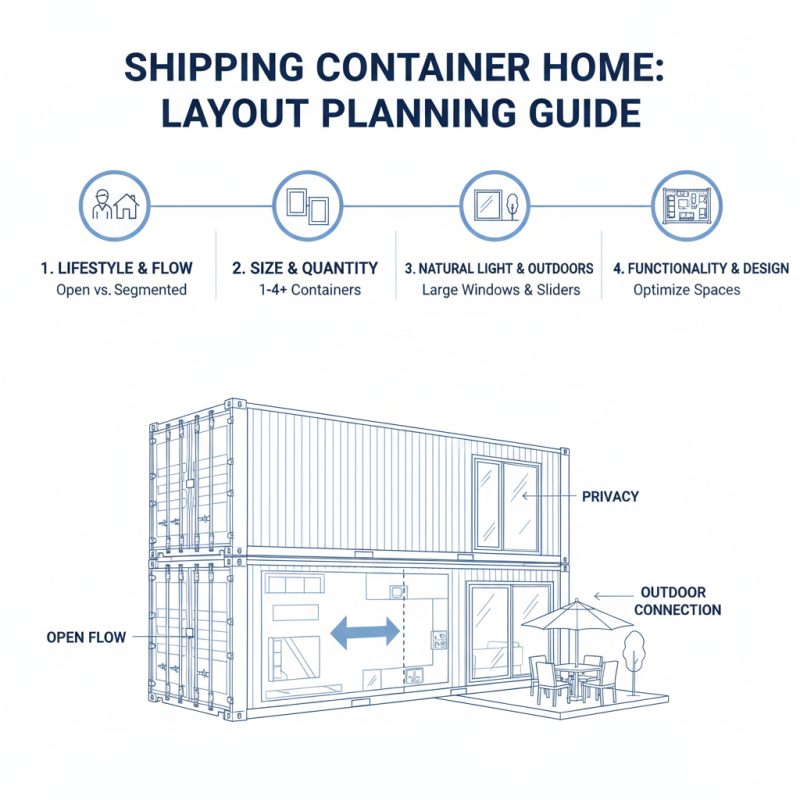
When planning your shipping container home, the initial step is to consider the layout that best suits your lifestyle. Think about the flow of spaces and how different areas will interact. Open floor plans promote a sense of spaciousness, while segmented layouts can provide privacy. Additionally, consider the size and number of containers you want to use, as this will directly impact the design and functionality of your home. Layout features such as large windows or sliding doors can enhance natural light and create a seamless connection with the outdoors, making your living space feel larger and more inviting.
Designing the features of your container home is equally crucial. Focus on essential amenities such as kitchen and bathroom configurations, which can affect your daily living experience. Incorporating smart storage solutions can help maximize space while keeping the home organized. Furthermore, think about insulation and ventilation, which are vital for energy efficiency and comfort. Incorporating sustainable elements, like solar panels or green roofs, can also enhance your home’s functionality and reduce its environmental impact. As you finalize your design, remember to balance aesthetics with practicality to create a harmonious and livable environment.