How to Build Cargo Container Homes on a Budget?

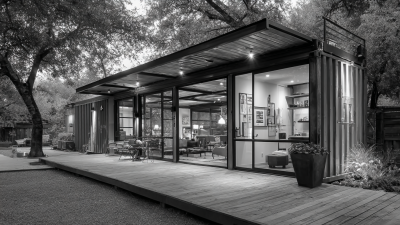
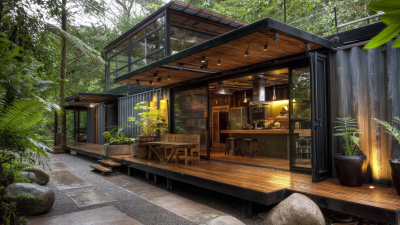
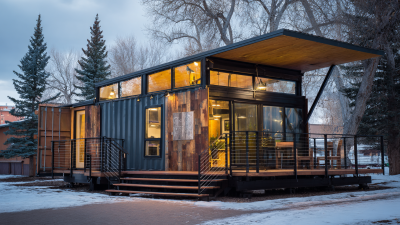
Building cargo container homes on a budget is a fascinating challenge. Expert architect Lisa Jones highlights, "With creativity, anything is possible." This statement rings true in the world of cargo container homes, where innovation meets necessity.

This trend has grown as more people seek affordable living solutions. Cargo containers are durable and sustainable, making them an ideal choice. However, budget constraints can often lead to compromises. It’s essential to balance cost with quality.

Home builders must focus on design and functionality, avoiding unnecessary expenses. For instance, repurposing old materials can save money and add character. Engaging with local craftsmen can foster community spirit and support small businesses. Overall, building cargo container homes requires careful thought and a willingness to adapt, fostering both creativity and resourcefulness.
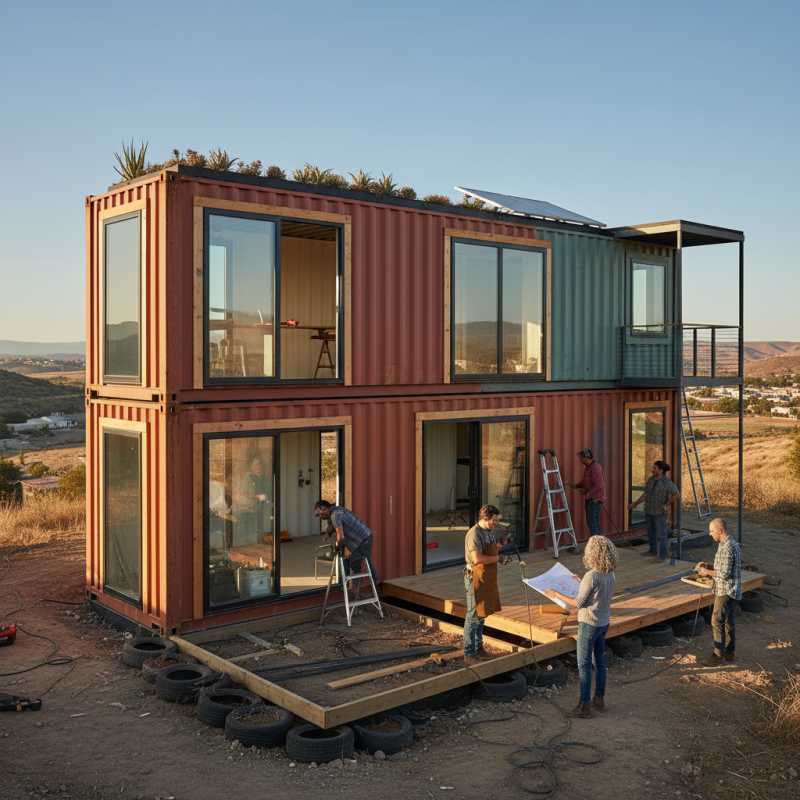
How to Build Cargo Container Homes on a Budget?

Understanding Cargo Containers as a Housing Option

Cargo containers offer an intriguing option for affordable housing. They are durable, weather-resistant, and often available at budget-friendly prices. Many people have turned these steel boxes into livable homes. But before jumping in, it's essential to weigh the pros and cons.

Consider the insulation challenge. Containers can be hot in summer and cold in winter. Proper insulation is key. This may require additional costs, but it pays off in comfort. Think about using recycled materials for interiors to keep costs low and sustainability high.

Tip: Look for local suppliers who sell used containers. You can often find them at a fraction of the new cost.

Space may be limited. Creative design can transform a small area into a cozy home. You might need to reconfigure layouts to maximize room. Open plans can enhance flow. Be mindful of ventilation; without it, you'll feel stifled.

Tip: Use multi-functional furniture. Foldable tables or hidden storage can save space.

Building a cargo container home can be a fulfilling project. Remember that imperfections might arise. Embrace the learning curve and adapt as you go.
Evaluating Costs: Budgeting for Cargo Container Homes

Building a cargo container home can be an appealing option for many. However, careful budgeting is essential. The average cost of a cargo container home can range from $10,000 to $35,000 depending on size and design choices. This wide range can cause confusion for newcomers in the industry.


One effective approach to budgeting is focusing on the foundation. A solid foundation can cost anywhere from $2,000 to $7,000. This expense can significantly affect your overall budget. Many underestimate these costs, resulting in financial strain later on. Additionally, you need to consider insulation and utilities. These can add another $5,000 to $15,000. Ignoring these factors may lead to unpleasant surprises.


Materials are another area where costs can spiral. Using reclaimed materials can save money, but it requires creativity. Budget for unexpected expenses as well. It's not uncommon to face issues during construction. These additional costs can quickly add up. Industry reports suggest allowing for an extra 10-20% beyond your initial estimate to alleviate stress. Planning ahead and remaining flexible is crucial.

Selecting the Right Cargo Containers for Your Project

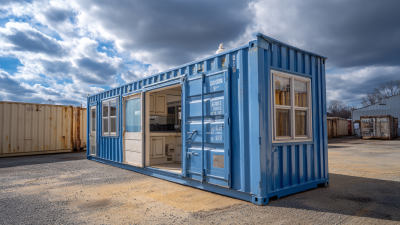
Choosing the right cargo container for your project is crucial. Look for used containers. They can be more affordable and still functional. Inspect them for rust or damage. A small dent may not matter, but large holes are a problem. Make sure they are waterproof and structurally sound.

Consider the size that fits your needs. A standard container is 20 feet long. Larger options, like 40 feet, offer more space but can be costlier. Think about how you will use the container. Will it be a full home or just a studio? Your plans determine the size.

Different types exist. High-cube containers offer extra height, perfect for lofted beds or storage. A refrigerated container provides temperature control but can be expensive. Remember, containers must be transported to your site. Factor in transportation costs to your budget. Search nearby options to save on delivery. These decisions matter.

Essential Tools and Materials for Building Cargo Container Homes

Building cargo container homes can be an affordable option for many. However, having the right tools and materials is crucial. Start with basic tools like a welding machine, a circular saw, and measuring tape. These will help you cut and join the containers efficiently. A good level is essential too. It ensures everything is aligned when stacking or connecting containers.

When it comes to materials, plywood and insulation are vital. They provide inner walls and help with temperature control. Consider using recycled materials for flooring or furniture to save costs. Do a bit of research before purchasing these items; prices can vary widely. Remember, not everything will go smoothly. Sometimes, you may find unexpected structural issues.

Tips: Always wear protective gear. Safety should never be compromised. Budget appropriately. Set aside a little extra money for unforeseen costs. Mistakes will happen, but learning from them is essential. Each error is a stepping stone to success.

Design and Layout Considerations for Budget-Friendly Living Spaces

How to Build Cargo Container Homes on a Budget?

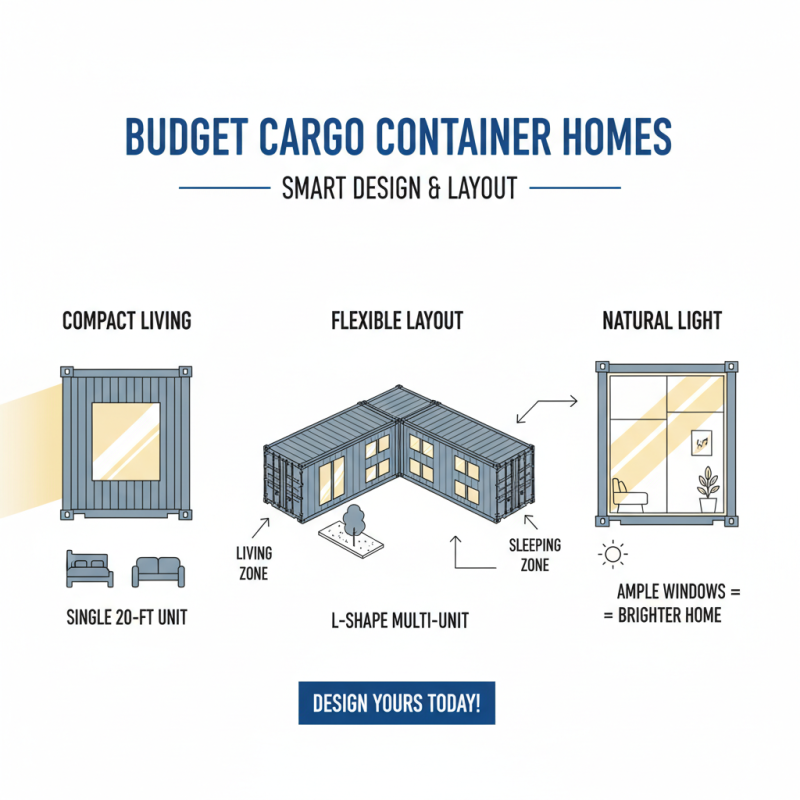
Building cargo container homes on a budget requires thoughtful design and layout. Choosing the right size and arrangement of containers is crucial. You can start with a single 20-foot container for a compact living space. Positioning multiple containers in an L-shape offers flexibility. This can create distinct areas for living and sleeping. Also, leaving space for windows is essential. Natural light dramatically improves the feel of any home.

However, designing a functional layout can be challenging. Consider how the flow of space will work for daily activities. Open floor plans are popular, but they may feel cold without the right decorations. Think about personal touches. Adding insulation and ventilation systems can make the space comfortable, yet this can increase costs. Balancing comfort and expense is often a struggle.

Remember, imperfection breeds creativity. A mismatched color scheme or quirky furniture can add charm. Sometimes, you might end up with an odd layout that forces you to rethink how you use space. Embrace these moments. They often lead to unexpected solutions. Budget-friendly living in a container home can be an inspiring journey, with a few bumps along the way.