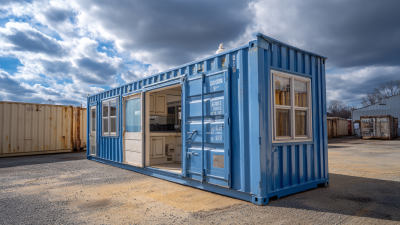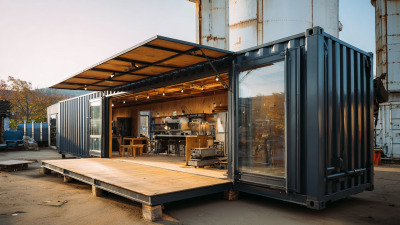
In recent years, the concept of a cargo container house has gained widespread popularity among those seeking innovative and sustainable housing solutions. As more individuals gravitate towards eco-friendly living, the versatility and affordability of cargo containers have made them an attractive choice for housing projects. Notably, renowned architect and cargo container house expert, David Smith, emphasizes, "The future of housing lies in reimagining existing materials, and cargo containers present a unique opportunity to build creative living spaces.”
Building a cargo container house not only embodies a commitment to sustainability but also offers a canvas for artistic expression. These structures, often characterized by their rugged exterior and customizable interiors, can be transformed into stunning homes with thoughtful planning and execution. Whether you are looking to create a compact home, a vacation retreat, or even a multi-container dwelling, understanding the basics of cargo container construction is essential.
In this guide, we will walk you through the necessary steps to embark on your journey to build a cargo container house, equipping you with the knowledge and inspiration to start your own project. From design considerations to construction techniques, this comprehensive approach will ensure that your dream of a unique, sustainable home becomes a reality.
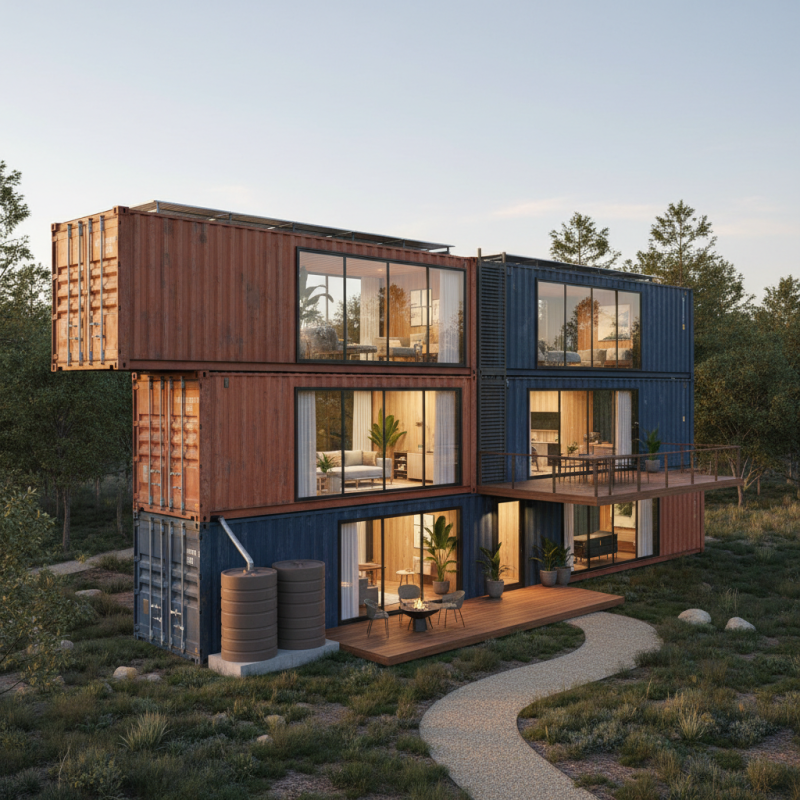
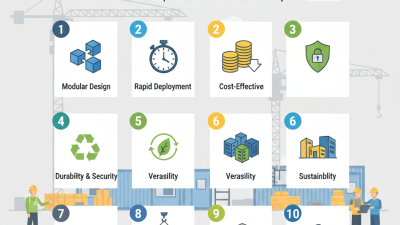
Cargo container homes are becoming an increasingly popular choice for those looking for sustainable and cost-effective housing solutions. These dwellings utilize repurposed shipping containers that are durable, weather-resistant, and versatile. One of the key benefits of cargo container homes is their modular nature, allowing for innovative designs and efficient use of space. Homeowners can easily stack, combine, and modify containers to create unique living spaces that fit their needs and preferences.
Another significant advantage is the environmental impact. By reusing shipping containers, builders contribute to reducing waste and minimizing their ecological footprint. Additionally, cargo container homes often require less energy for heating and cooling due to their sturdy structure, making them more energy-efficient than traditional homes. The construction process can also be quicker, allowing for a swift transition from concept to completion. These features make cargo container homes not only an appealing housing option but also a positive step towards sustainable living.
| Aspect | Description |
|---|---|
| Material Cost | Approximately $1,500 - $3,000 per container, excluding land and permits. |
| Construction Time | Typically between 3 to 6 months, depending on design complexity. |
| Insulation Options | Foam board, spray foam, or fiberglass insulation are commonly used. |
| Foundation Types | Pier, slab, or gravel foundations based on site conditions. |
| Benefits | Eco-friendly, cost-effective, and customizable living solutions. |
| Zoning and Permits | Research local zoning laws; permits may be required for construction. |
| Design Flexibility | Can be stacked, joined, or customized for various layouts and styles. |
When embarking on the journey of building a cargo container house, selecting the right container is crucial. First, consider the size. Standard containers come in 20-foot and 40-foot lengths, with varying widths and heights. A 20-foot container can provide a cozy living space, ideal for singles or couples, whereas a 40-foot container offers more room for families or those wishing to incorporate multiple rooms. Evaluating your needs based on layout and purpose is essential to ensure the selected size aligns with your vision.
Besides size, the type of cargo container plays a significant role in your project. There are general-purpose containers, high-cube containers, and insulated containers, each serving different requirements. High-cube containers provide extra vertical space, making them suitable for taller ceilings or additional loft areas. Insulated containers, on the other hand, are ideal for locations with extreme weather conditions, as they help maintain internal temperatures. Additionally, structural considerations, including the container’s condition and any necessary modifications, should not be overlooked. Inspecting for wear, rust, or structural integrity can help avoid future issues. By carefully evaluating these factors, you can ensure a solid foundation for your cargo container house.
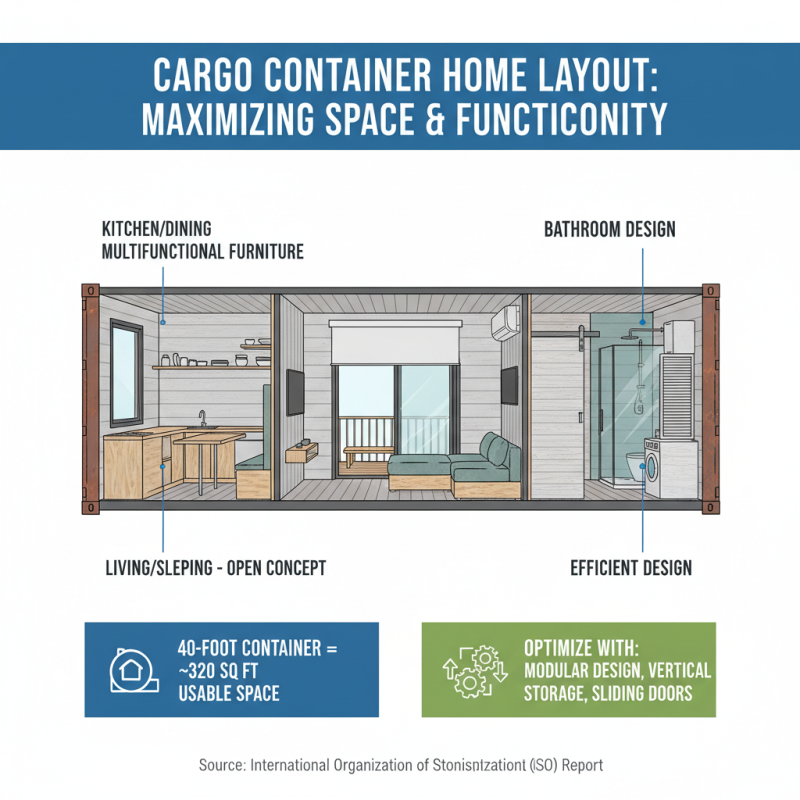
When designing your cargo container house, the layout is critical to maximizing both space and functionality. A well-thought-out design can transform a standard 20-foot or 40-foot container into a comfortable living area. According to a report by the International Organization for Standardization (ISO), a standard 40-foot container has a usable interior space of approximately 320 square feet, making it essential to plan an efficient layout that includes essential areas like the kitchen, bathroom, and living space. Utilizing multifunctional furniture and breaking down traditional barriers can create an open, inviting atmosphere while optimizing space.
Insulation is another fundamental aspect of container home design, especially to meet energy efficiency standards. Research by the U.S. Department of Energy indicates that proper insulation can reduce energy consumption by up to 30%. Many cargo container homes utilize spray foam or insulated panels to achieve a thermal resistance (R-value) that meets or exceeds local building codes. Choosing the right insulation not only contributes to comfort during varying seasonal temperatures but also helps in achieving sustainable living goals. By focusing on these elements, designers can create spaces that are not only aesthetically pleasing but also energy-efficient and environmentally responsible.
When planning to build a cargo container house, understanding the permits and regulations that govern zoning laws is crucial. Each municipality has specific rules regarding land use, building codes, and property development. Therefore, it’s essential to start by researching local zoning laws to determine whether container homes are permitted in your desired area. This information will help you assess not only the feasibility of your project but also the type of permits you'll need before construction can begin.
In many cases, you will need to submit a detailed plan to your local building authority, which may include site plans, design drawings, and structural assessments. Engaging with the local authorities early in the process can also help clarify any specific requirements or restrictions that may apply to container homes, such as height limits, setback requirements, and aesthetic guidelines to match the surrounding environment. Being proactive in navigating these regulations will not only streamline your project but also ensure that your container home meets all legal standards, preventing any potential issues down the line.
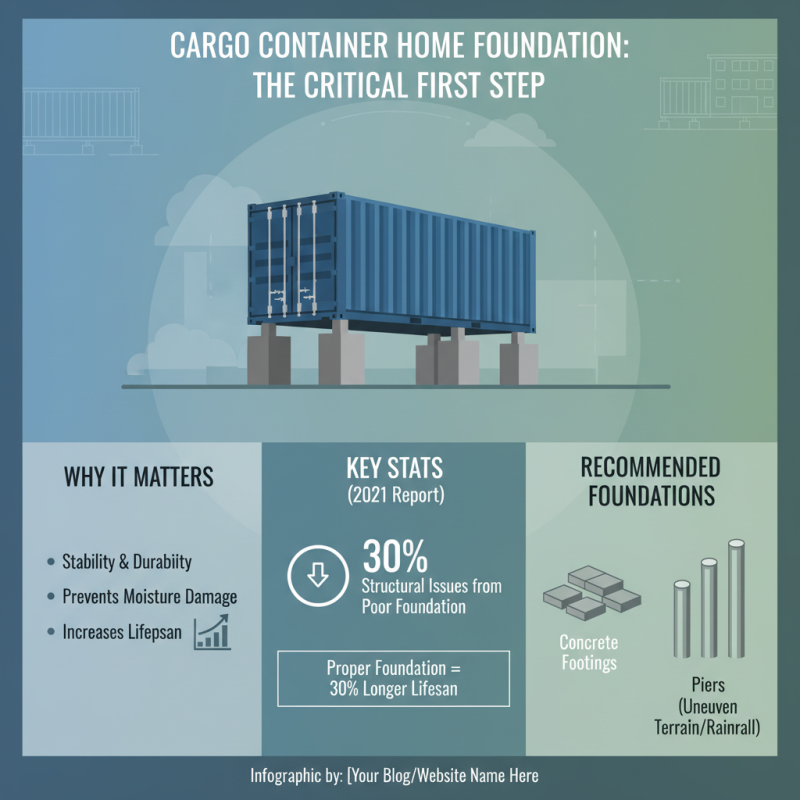
Building a cargo container house involves a meticulous process that transforms repurposed containers into functional living spaces. The foundation is the first critical step; it requires careful planning to ensure stability and durability. According to the 2021 Container Housing Research Report, proper foundation work can significantly impact the lifespan of the structure, with an estimated 30% of containers suffering from structural issues due to poor foundational support. In regions with heavy rainfall or uneven terrain, it is advisable to use concrete footings or piers to elevate the containers, preventing moisture accumulation and damage.
Once the foundation is in place, the next stage is the assembly and modification of the containers. This process includes cutting door and window openings, reinforcing walls, and ensuring insulation for energy efficiency. A study by the International Journal of Sustainable Building Technology highlights that insulated cargo container homes can achieve energy efficiency ratings comparable to traditional buildings. This phase demands attention to detail, as proper sealing and insulation can reduce energy costs by up to 50%. Finally, the finishing touches, such as interior design and exterior cladding, are essential for turning a metal shell into a cozy home. Selecting sustainable materials during this stage can further enhance the eco-friendliness of the build, aligning with the growing trend towards sustainable living.