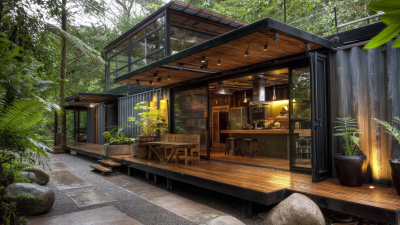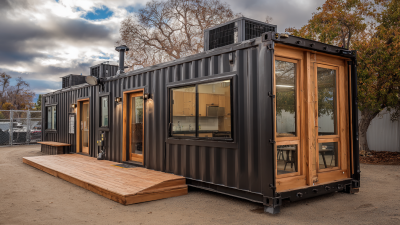
As the world increasingly shifts towards sustainable living solutions, the concept of building a cargo container house is gaining momentum. According to a report by the United Nations, approximately 1.6 billion people reside in inadequate housing conditions, prompting a need for innovative alternatives that are both cost-effective and environmentally friendly. Cargo container houses not only provide a practical solution to housing shortages but do so in a way that minimizes waste and reduces carbon footprints.
Expert in sustainable architecture, Dr. Emily Carter, emphasizes the growing potential of this housing trend, stating, "Using cargo containers for homes not only recycles industrial materials but also offers a unique and customizable living experience that can adapt to various climates and needs." By repurposing these durable containers, builders can create aesthetically pleasing and functional spaces at a fraction of the cost of traditional homes, making homeownership accessible to more individuals.
The affordability of cargo container houses is further supported by industry data that suggests they can be constructed for as little as $10,000, depending on design and location. This innovative approach to affordable housing serves as a testament to the versatility and resilience of modern construction techniques, offering a sustainable lifestyle choice for those looking to reduce their environmental impact while achieving their dream of homeownership.

When embarking on the journey of building a cargo container house, understanding the basics of construction is crucial for both effective planning and execution. Cargo containers, typically made from steel, are not only robust but also provide a unique architectural aesthetic. The first step involves carefully selecting the right containers, considering factors such as size, condition, and accessibility. Most commonly, 20-foot and 40-foot containers are used, but their versatility allows for creative combinations to suit individual needs.
Once the containers are secured, the next stage is to prepare the site and design the layout. Establishing a solid foundation is essential to ensure stability and longevity. This might involve concrete slabs or piers depending on the terrain. Planning the internal layout effectively maximizes space; utilizing open-concept designs can create a more spacious feel. Additionally, it's vital to incorporate insulation methods suitable for the container’s metal structure, ensuring thermal efficiency throughout varying weather conditions. Understanding these basic elements lays a strong groundwork for a successful cargo container home project, enabling sustainable living within a budget.
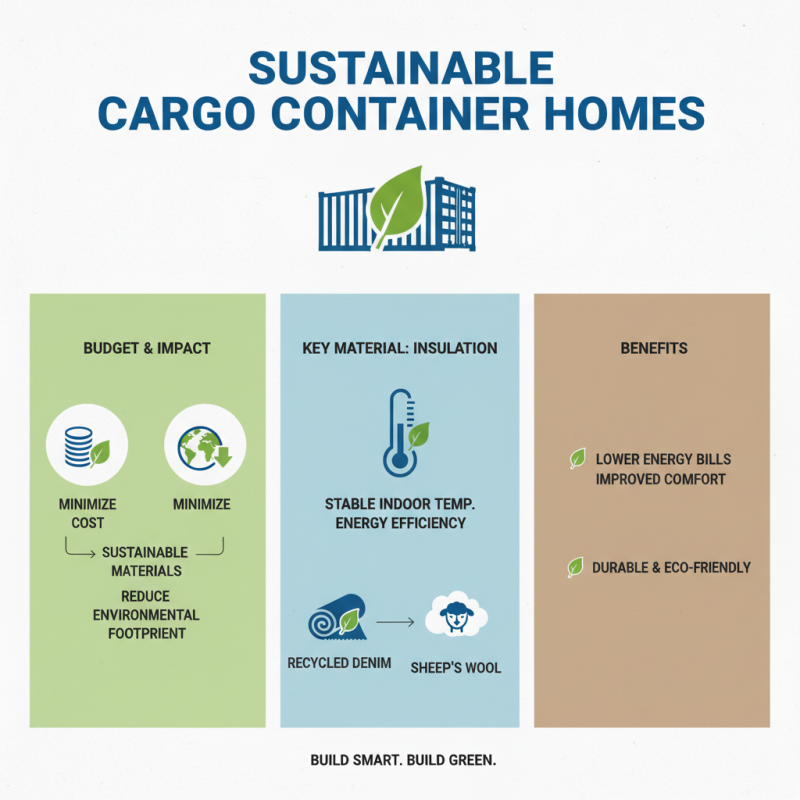
When budgeting for a cargo container home, the first step is to assess all potential costs involved in the project. This includes the initial purchase price of the containers, which can vary based on size, condition, and location. On average, a used cargo container can cost anywhere from $1,500 to $3,000, but prices can fluctuate significantly depending on market demand. Additionally, transporting the containers to the building site is another expense that needs to be carefully considered, as this can add hundreds to thousands of dollars depending on distance and vehicle requirements.
Beyond the containers themselves, it’s crucial to account for renovation and insulation costs. Standard shipping containers are not designed for comfortable living, so modifications will be necessary. Budgeting for electrical work, plumbing, and energy-efficient insulation can often account for a large portion of the total budget. Homeowners should also factor in permits and inspections, since these can vary widely based on local regulations. By meticulously planning each step and considering every potential expense, it is possible to create a sustainable and cost-effective living space that meets both budgetary constraints and personal needs.
When building a cargo container house on a budget, selecting sustainable materials is crucial for minimizing environmental impact while ensuring durability and comfort. One of the primary materials to consider is insulation, which plays a vital role in maintaining a stable indoor temperature. Opting for eco-friendly insulation options, such as recycled denim or sheep's wool, can significantly reduce energy costs and enhance the home's thermal efficiency. These materials not only provide effective insulation but are also biodegradable, making them suitable for sustainable building practices.
In addition to insulation, the choice of flooring and finishes is essential for creating a healthy living environment. Reclaimed wood, bamboo, or cork are excellent flooring alternatives that are both sustainable and aesthetically pleasing. These materials are sourced responsibly and can add warmth and character to the space. Furthermore, using low-VOC (volatile organic compounds) paints and finishes can improve indoor air quality, making the home safer for occupants. By thoughtfully selecting sustainable materials throughout the construction process, homeowners can create a container house that is both eco-friendly and economically viable.
When planning to build a cargo container house for sustainable living, space optimization is crucial. According to the "International Journal of Sustainable Building Technology and Urban Development," container homes typically offer around 320 to 640 square feet of livable space, depending on the configuration and number of containers used. However, effective design choices can enhance this limited space significantly. Incorporating multi-functional furniture, such as foldable tables or Murphy beds, allows residents to maximize their usable area while ensuring comfort and functionality.
Moreover, the placement of windows and the use of light colors can create an illusion of more space and improve natural lighting, which is vital for small living environments. A report from the "National Association of Home Builders" highlights that proper ventilation and the optimization of outdoor spaces, such as patios or decks, can extend the perceived area of a home. By carefully considering room layout and flow, as well as integrating outdoor and indoor spaces, homeowners can make the most of their cargo container structure, creating a livable and inviting atmosphere despite its compact dimensions.
| Design Consideration | Description | Estimated Cost ($) | Space Efficiency (sq ft) |
|---|---|---|---|
| Container Selection | Choosing the right size and condition of containers for your needs. | 2,000 | 160 |
| Insulation | Selecting appropriate materials for energy efficiency. | 1,500 | 75 |
| Plumbing & Electrical | Cost-effective solutions for water and power. | 3,000 | N/A |
| Interior Design | Maximizing space with smart furniture and layouts. | 1,200 | N/A |
| Site Preparation | Clearing and leveling the land for placement. | 1,000 | N/A |
Cargo container homes are becoming a popular alternative for sustainable living, thanks to their versatility and energy efficiency. According to a report from the U.S. Department of Energy, energy-efficient homes can reduce energy consumption by up to 30%. Cargo container houses can significantly contribute to this goal due to their compact design and the inherent thermal properties of steel. When properly insulated, these homes can maintain comfortable temperatures with minimal reliance on heating and cooling systems, thus lowering energy bills and reducing carbon footprints.
Implementing energy efficiency practices in cargo container homes can further enhance sustainability. One effective strategy is the use of passive solar design, which harnesses natural light and warmth. Research indicates that homes designed with optimal solar orientation can achieve energy savings of 20-50% when combined with active solar technologies such as photovoltaic panels. Additionally, using reclaimed materials for insulation and energy-efficient windows can improve the home's overall efficiency. A study by the National Renewable Energy Laboratory shows that retrofitting existing structures with energy-efficient upgrades can yield an average return on investment of 20%, making cargo container homes not only a sustainable choice but also a financially savvy one for eco-conscious homeowners.