
When selecting the ideal top hinge cabinet door, global buyers face a multitude of choices. The market is filled with various designs and materials. It's crucial to understand the features that set one option apart from another. Understanding your specific needs will help in making the right decision.
Exploring hinge orientation, material durability, and aesthetic appeal can provide clarity. Some options excel in function but lack in style. Others may look great but fail under daily usage. Finding balance is essential.
Buyers should also consider installation complexity. This can affect overall satisfaction with the top hinge cabinet door. Expert insights reveal that a well-chosen hinge can enhance both functionality and design. However, the abundance of options can be overwhelming. Each choice requires careful thought and reflection. Making an informed decision is essential for a successful purchase.
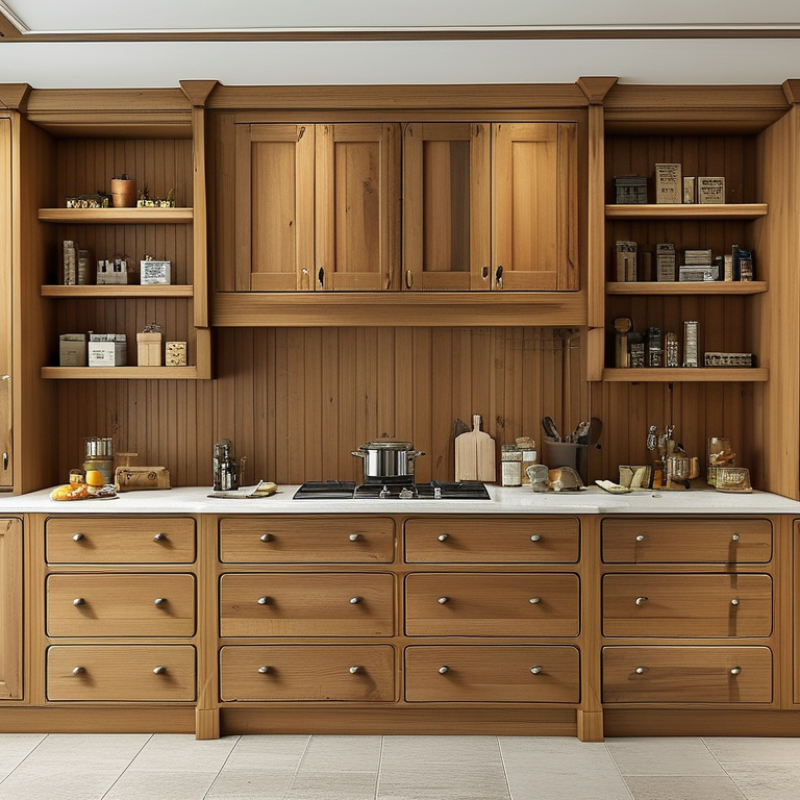
Choosing the right hinge for cabinet doors is crucial for both functionality and aesthetics. The market offers a variety of hinge types, each catering to different styles and uses. Common options include concealed hinges, overlay hinges, and butt hinges. Concealed hinges are preferred for modern designs as they remain hidden when the door is closed. They provide a clean, streamlined look yet can be challenging to install.
Overlay hinges are another popular choice, allowing doors to cover the cabinet frame partially. These hinges come in different configurations, accommodating various cabinet designs. It's important to consider the thickness and weight of the doors when selecting hinges. Heavy doors require sturdy, durable hinges, while lighter doors can benefit from more lightweight options.
Butt hinges, though traditional, offer a classic appeal for vintage-style cabinetry. However, their visibility can clash with contemporary designs. Installing butt hinges might seem straightforward, yet aligning them perfectly can be tricky and requires careful attention. Many buyers overlook the importance of material and finish, which can impact durability and maintenance. Industrial-grade options often last longer, but the cost can be prohibitive. Choosing the right hinge type is not just about style; it is also about practical functionality and long-term reliability.

When choosing hinges for cabinet doors, the material plays a crucial role. Different materials offer varying levels of durability and resistance to wear. Stainless steel hinges are popular for their strength and corrosion resistance. They are often preferred in humid environments, such as kitchens or bathrooms. However, they can be more expensive than other options, which leads many to explore alternatives.
On the other hand, zinc alloy hinges provide a budget-friendly option. They are lightweight and can resist rust if coated properly. Yet, they may not last as long as stainless steel in high-moisture areas. Wood hinges are less common but add an aesthetic appeal. Their durability depends largely on the type of wood used and the finish applied. A poor choice here can lead to warping over time.
It’s important to evaluate how often the cabinet will be used. Heavy use warrants stronger materials. A hinge that looks durable might not perform well under stress. Therefore, buyers should closely inspect their choices. Balancing aesthetics with functionality is essential. Taking these factors into account ensures a better selection.
| Hinge Type | Material | Load Capacity (lbs) | Durability Rating | Best Application |
|---|---|---|---|---|
| Concealed Hinge | Stainless Steel | 50 | High | Kitchen Cabinets |
| Butterfly Hinge | Bronze | 40 | Medium | Furniture & Cabinets |
| Pivot Hinge | Aluminum Alloy | 60 | High | Heavy Doors |
| Overlay Hinge | Plastic Coated Steel | 30 | Low | Lightweight Cabinets |
| Self-Closing Hinge | Nickel-Plated Steel | 45 | Medium | Cabinets & Closets |
Adjustable hinges are gaining popularity in cabinet design. Their versatility allows for a wide range of applications. These hinges enable users to tailor cabinet functionality to their needs. Whether for kitchen cabinets or bathroom vanities, adjustable hinges can make a significant difference.
One key advantage is their adaptability. They can be adjusted for alignment, making installation easier. A well-aligned cabinet door enhances both aesthetics and usability. However, this flexibility can sometimes lead to over-reliance on adjustments. Users might forget to check basic measurements before installation. This oversight can lead to misalignment issues that are frustrating to fix later.
Adjustable hinges also allow for easy modifications in design. Homeowners can change cabinet styles without replacing the entire setup. That said, the mechanism can wear out over time with constant adjustments. Regular maintenance is essential for long-term performance. Not all buyers are aware of this need, which can result in premature hinge failure. Overall, adjustable hinges can significantly enhance cabinet design when understood and maintained properly.
Hinge cabinet doors are gaining popularity worldwide. Various styles cater to diverse consumer preferences. The market has seen a rise in demand for soft-close hinges. These hinges provide a gentle closure, enhancing user experience and safety. Many buyers appreciate the convenience they offer, especially in homes with children.
In addition, visibility plays a crucial role in hinge selection. Integrated or concealed hinges are favored for modern designs. They are less obtrusive and maintain a clean look. Yet, some consumers find them challenging to install. The learning curve can deter potential buyers who prefer ease over aesthetics.
Another trend is the shift toward adjustable hinges. Customization allows users to align doors perfectly. However, not every option on the market is user-friendly. Some adjustable models may require tools for precise fitting. Potential buyers should reflect on their DIY skills before purchasing. A careful selection process can lead to better satisfaction and functionality.
When choosing hinge cabinet doors, understanding installation and maintenance is crucial. Proper installation ensures longevity and optimal performance. Aligning hinges correctly can prevent wear and tear. Use a level to check alignment before screwing hinges into place. This small step makes a significant difference.
Maintenance is equally important. Regularly clean the hinges with a damp cloth to remove dust and grime. Lubricating hinges every few months can enhance performance. Apply a silicone-based lubricant for best results. Watch for signs of rust or corrosion, which may indicate improper sealing or exposure to moisture.
A common mistake is ignoring squeaks or resistance. Even a minor issue can lead to bigger problems. If you notice stiffness, check alignment again. Adjusting door frames may be necessary. Being proactive about maintenance can save time and costs in the long run.