
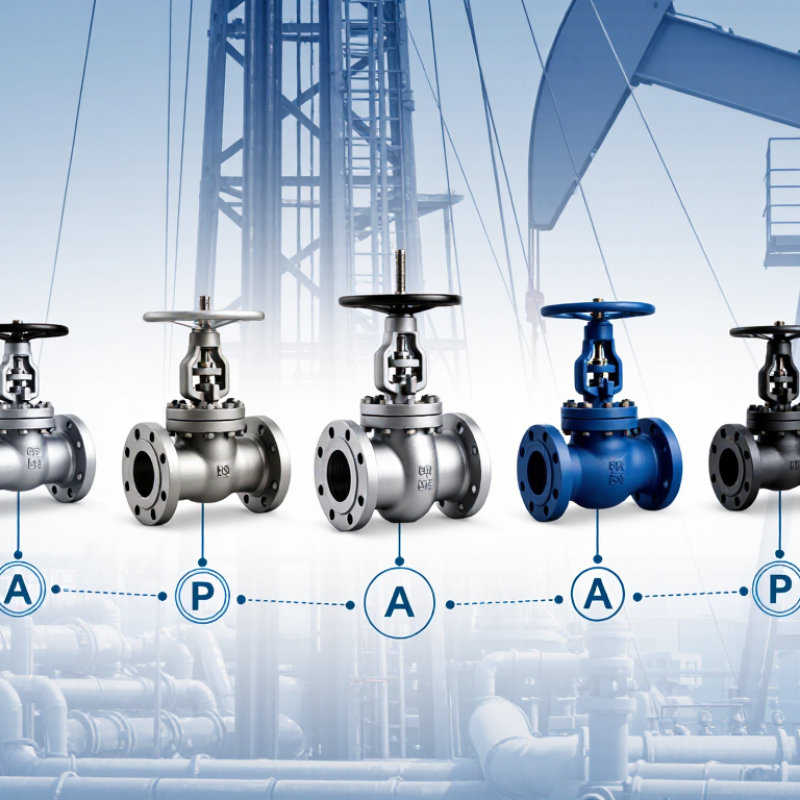
Seven Notable API 6A Check Valve Types for Drilling Rigs
API 6A check valves protect pressure-control equipment from reverse flow during drilling operations. The ball check valve uses a hardened ball for quick, simple shutoff. A piston check valve offers guided movement and stable sealing under pulsating pressure. Swing check valves suit larger flow paths, but their disc needs enough velocity to close reliably. Flapper check valves respond quickly in compact assemblies. They are common where space is limited.
Dual-plate check valves reduce closing travel and can limit pressure surges. Axial-flow check valves guide fluid through a centered spring and usually create low turbulence. Spring-loaded lift check valves provide controlled closure, especially in vertical piping. Each type has trade-offs. A ball valve may tolerate debris, yet its seat can wear quickly. A swing design may be robust, but poor installation can delay closure. Field experience matters here.
Selection should match pressure class, bore size, temperature, fluid composition, and required PSL and PR levels. API 6A compliance must be verified through documentation, testing, and traceable materials. Check the valve orientation before installation. Confirm the pressure rating at operating temperature, not only at room temperature. A previous installation taught me that “low maintenance” does not mean maintenance-free. Mud deposits, vibration, and repeated pressure cycles still demand inspection. The best choice is the valve that closes predictably, seals consistently, and fits the actual drilling system.