10 Best Converted Container Homes for Modern Living?

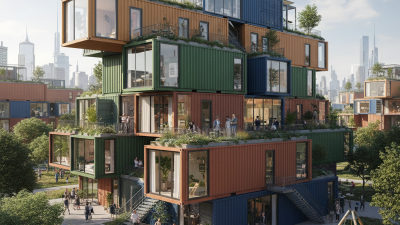
The rise of converted container homes is revolutionizing modern living. This trend offers sustainable, affordable housing solutions in an increasingly expensive real estate market. A recent report by the World Bank states that global urbanization is accelerating, with over 55% of the world's population living in cities. This puts pressure on housing, making innovative solutions like container homes essential.

These structures, often made from repurposed shipping containers, have captured attention for their unique design and functionality. Many companies report growth in this sector, highlighting a demand for eco-friendly and customizable living spaces. Yet, challenges exist. Not all converted container homes meet local building codes, leading to issues that homeowners must navigate. Additionally, the insulation and durability of container homes can raise concerns in extreme weather.

Designed for creativity, converted container homes offer many possibilities. Homeowners can create inspiring spaces tailored to their needs. However, they must consider zoning regulations and construction complexities. These factors can complicate the dream of owning a container home, revealing that while this trend is promising, it is not without its hurdles.
10 Best Converted Container Homes for Modern Living?

The Rise of Container Homes in the Modern Housing Market

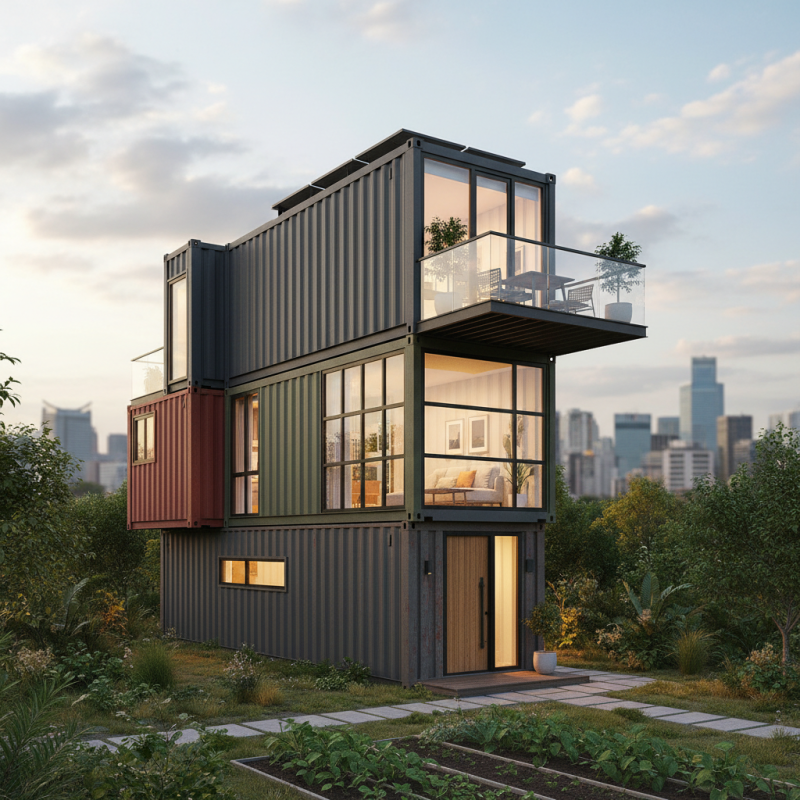
In recent years, container homes have gained significant popularity. They are affordable and environmentally friendly. Using shipping containers for housing may seem unconventional, but it's a practical solution. These homes can be customized in numerous ways, allowing unique designs. Many people are drawn to the minimalistic lifestyle that container homes promote.

However, living in a converted container comes with challenges. Insulation can be an issue, particularly in extreme weather. Relying on standardized dimensions might limit creativity. Some containers might require extensive modifications to meet safety standards. Buyers must consider these factors before making a decision. Despite these challenges, the appeal of modern, sustainable living draws many.

The rise of container homes reflects a broader trend towards innovative housing solutions. Urban areas face rising costs, making traditional homes less accessible. Container homes can often be placed in smaller lots, offering a solution for crowded cities. They provide an alternative for those seeking affordable housing without sacrificing style. As this trend grows, it encourages reflection on our housing needs and environmental impact.
Popularity of Container Homes Types in Modern Living

Key Benefits of Living in Converted Shipping Containers

Living in converted shipping containers offers numerous benefits. These unique homes are environmentally friendly. They reuse materials that might otherwise end up in landfills. This sustainable option reduces waste and has a smaller carbon footprint.

Container homes are also affordable. Traditional housing can be expensive and require loans. In contrast, using a shipping container can significantly lower costs. You can furnish an entire home on a tight budget. It is worth mentioning that permits and setup may take time. Planning ahead is essential.

Space is another key advantage. Many container homes are designed to maximize every inch. High ceilings and open layouts make small spaces feel larger. However, fitting everything you need into a small area can be challenging. Think creatively about storage solutions.

Tips: Use multi-functional furniture to save space. Consider how each item will be used. Another idea is to choose light colors for the interior. Bright shades can make spaces feel airy and open. Lastly, enjoy the process of personalizing your container home. Embrace imperfections as they make your home unique.

Top 10 Innovative Container Home Designs for Eco-Friendly Living

Container homes are gaining popularity for their innovative designs and eco-friendly appeal. According to recent reports, the global market for container homes is expected to grow by 5.4% annually. This shift reflects a growing trend towards sustainable living solutions. Many eco-conscious individuals are drawn to the reusability of shipping containers. It's an opportunity to repurpose materials and reduce waste.

The inside of these homes can be striking. Spacious layouts with large windows provide natural light. Many designs incorporate energy-efficient appliances. According to the U.S. Green Building Council, homes designed with sustainability in mind can save up to 30% on overall energy costs. However, not all designs are flawless. Some container homes experience issues with insulation. Finding the right balance between aesthetics and efficiency can be challenging.

In addition, the affordability of container homes often draws people in. The average cost of building a container home ranges from $10,000 to $50,000. However, hidden costs can arise unexpectedly. These include land preparation and utility connections. Many buyers overlook these expenses. Ultimately, the trend toward container homes emphasizes creativity and sustainability but requires careful planning.

10 Best Converted Container Homes for Modern Living

Home Design Location Size (sq ft) Eco-Friendly Features Price Range
Minimalist Retreat California, USA 640 Solar panels, rainwater collection $80,000 - $100,000
Coastal Container Home Florida, USA 960 Wind-resistant design, green insulation $120,000 - $150,000
The EcoBox Oregon, USA 500 LED lighting, local materials $70,000 - $90,000
Urban Loft New York, USA 1,200 Recycled materials, green roof $200,000 - $250,000
Mountain Retreat Colorado, USA 800 Insulated walls, energy-efficient appliances $150,000 - $180,000
Sustainable Shell Texas, USA 700 Natural ventilation, solar water heating $100,000 - $130,000
Desert Oasis Arizona, USA 900 Thermal mass design, cactus landscaping $110,000 - $140,000
The Nomad Alaska, USA 550 Off-grid systems, high-efficiency windows $60,000 - $80,000
City Escape Illinois, USA 850 Smart home technology, green façades $130,000 - $160,000

Cost Analysis: Comparing Container Homes to Traditional Housing Options

10 Best Converted Container Homes for Modern Living?

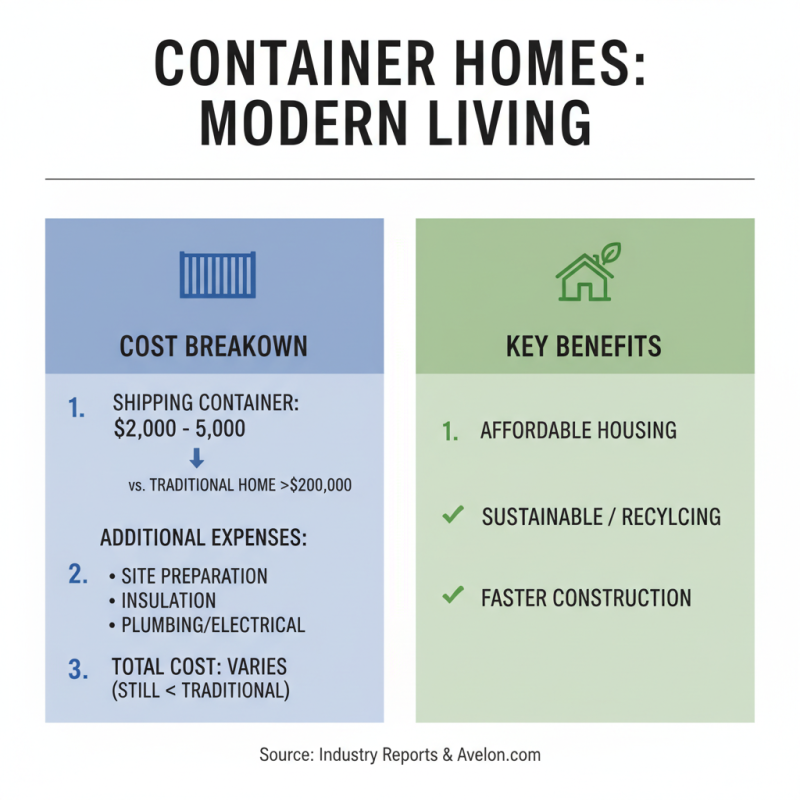
Container homes are becoming increasingly popular for modern living. A typical shipping container costs around $2,000 to $5,000. This is significantly lower than the average cost of a traditional home, which can exceed $200,000. However, additional expenses arise. Site preparation, insulation, and plumbing can elevate the total cost.

A report by the Container Housing Association reveals that container homes can be constructed for as low as $10,000. This figure is appealing. But many overlook the hidden costs. Shipping, permits, and utilities can unexpectedly increase expenses. Potential owners need to budget for these elements carefully.

Traditional homes usually come with the reassurance of established infrastructure. Container homes offer flexibility but can lack this certainty. Issues may arise around zoning regulations. Some areas may restrict their installation. This could be a deal-breaker for many. Understanding both options is crucial for anyone considering a new home.

Sustainability and Energy Efficiency in Container Home Construction

10 Best Converted Container Homes for Modern Living?

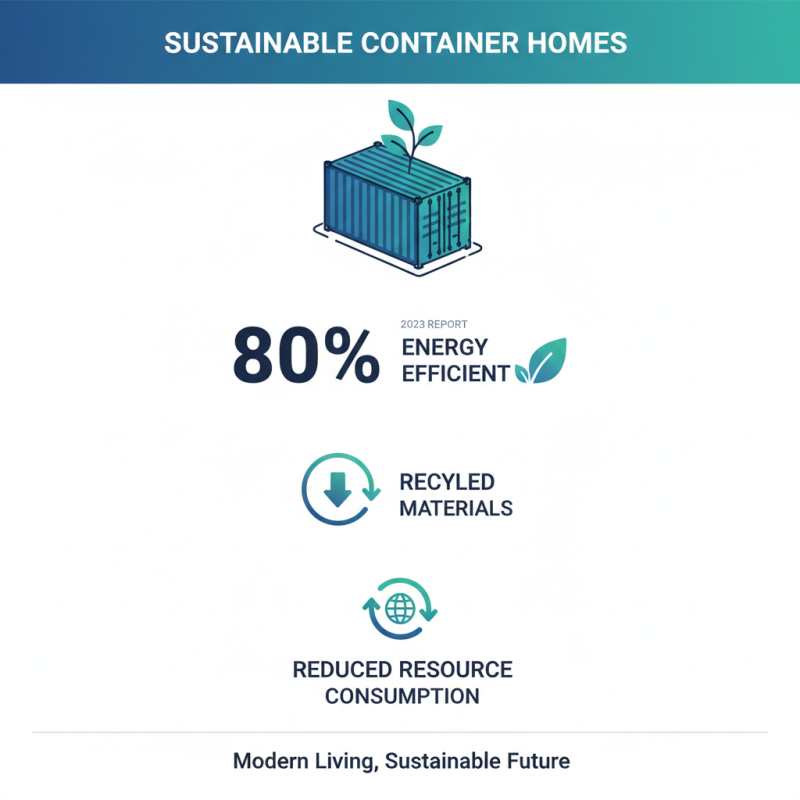
Container homes are gaining popularity for their sustainability. These homes often use recycled materials. According to a 2023 report, over 80% of container homes are energy efficient. They reduce resource consumption significantly. This is crucial for modern living.

Energy efficiency is a key aspect of container home construction. Many designs incorporate energy-saving features. Solar panels, proper insulation, and high-efficiency appliances are common. A study by the Sustainable Buildings Network shows that container homes can save up to 40% in energy costs compared to traditional homes. However, the initial costs can be challenging for some buyers.

The environmental impact is positive. Reusing shipping containers minimizes waste. Still, builders must consider the structural integrity. Some containers may require extensive retrofitting. Not all designs achieve high efficiency. Careful planning and execution are essential for success. These factors urge potential homeowners to think critically about their choices.