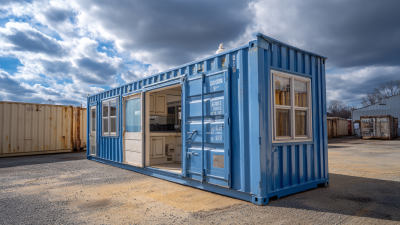
In recent years, the construction industry has witnessed a remarkable transformation in the way projects are designed and executed. Among the innovative solutions emerging to streamline construction processes, the use of construction containers has gained significant attention. These versatile structures, originally designed for shipping and transporting goods, are now being repurposed to serve as cost-effective and efficient building solutions. Their adaptability and robust nature present a myriad of benefits that enhance not only project timelines but also sustainability efforts in construction.
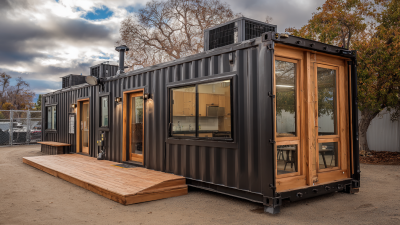
Construction containers are becoming increasingly popular due to their myriad advantages, including portability, durability, and modularity. They can be easily transported to various locations, making them an ideal choice for temporary sites or remote areas. Additionally, their strong metal construction resists harsh weather conditions, ensuring the longevity of the projects built with them. Beyond their structural integrity, construction containers offer flexible design options that allow for creative uses, from offices and accommodations to retail spaces and community hubs.
As the construction industry continues to evolve, embracing such innovative materials becomes essential in achieving efficiency and reducing environmental impact. By exploring the top benefits of using construction containers, stakeholders in the building sector can leverage these unique structures to enhance productivity while aligning with modern sustainable practices.
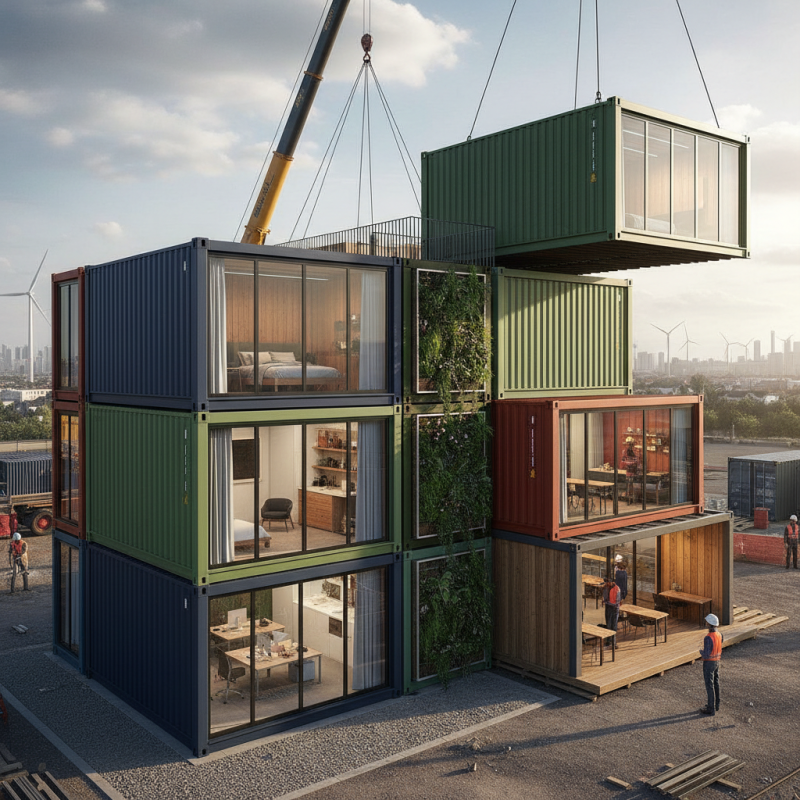
The use of construction containers in modern building practices has gained significant traction due to their versatility and practicality. One of the primary advantages is their cost-effectiveness. Construction containers can be repurposed for various uses, such as storage, offices, or even fully functional living spaces. This adaptability allows builders to minimize expenses, as they can often source containers at a fraction of the cost of traditional building materials. Additionally, utilizing containers can streamline construction timelines, as they can be easily transported and set up at the project site, reducing the need for extensive groundwork.
Another notable benefit of construction containers lies in their sustainability. These containers are typically made from steel, making them durable and capable of withstanding harsh environmental conditions. Their reuse promotes the idea of recycling in construction, which aligns with modern sustainability goals. Many builders are increasingly focused on minimizing waste and adhering to eco-friendly practices; integrating construction containers into their projects allows them to do just that. Furthermore, the containers can be modified and fitted with energy-efficient systems, enhancing their utility while promoting environmentally responsible building practices.
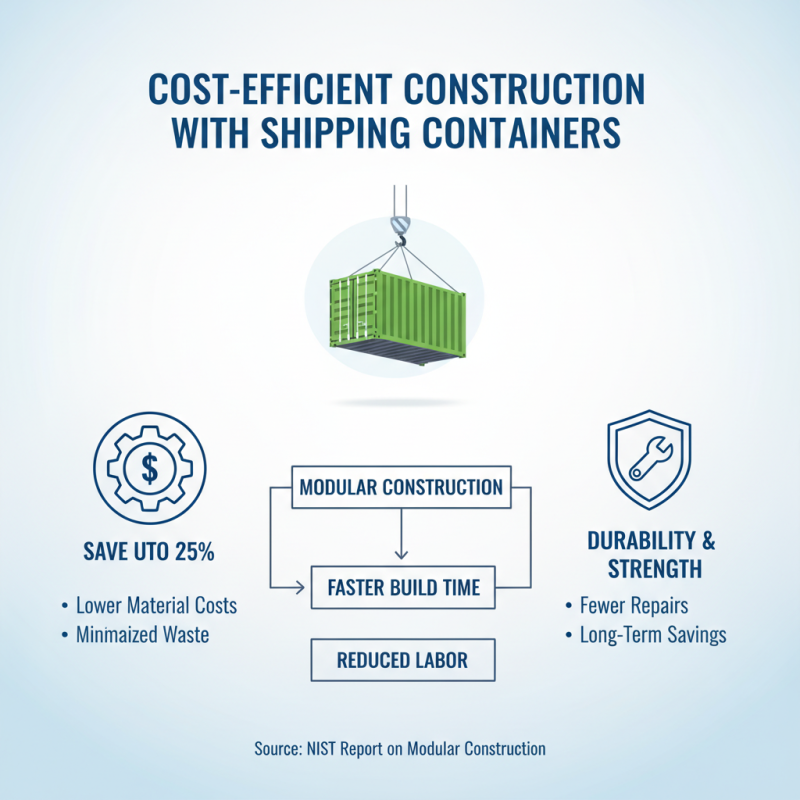
Using construction containers for building projects offers significant cost efficiency, which is a critical factor for project managers aiming to stay within budget. According to a report from the National Institute of Standards and Technology, utilizing modular construction methods, including shipping containers, can reduce overall project expenses by up to 25%. This reduction is primarily due to lower material costs and minimized waste. The durability and strength of containers also mean fewer repairs and replacements over time, further contributing to long-term savings.
When planning your project, consider the versatility of construction containers. They can be repurposed not only as office spaces or storage units but also as living quarters or even retail spaces. This adaptability enables project managers to allocate resources more effectively, allowing them to prioritize essential expenditures. Furthermore, according to the World Green Building Council, integrating recycled materials, like repurposed containers, can also qualify projects for sustainability certifications, which might attract additional funding or incentives.
**Tips:**
- Always assess local zoning regulations to ensure container use aligns with project requirements.
- Incorporate container modification services early in your planning to avoid delays in functionality and design.
- Regularly keep track of construction and maintenance costs associated with containers to make informed financial decisions throughout the project.
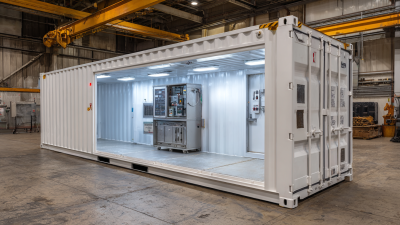
Construction containers have emerged as a versatile solution for a variety of building projects, offering innovative and practical applications that cater to diverse needs. Their adaptability makes them a preferred choice across different sectors, from residential to commercial constructions. For example, they can be easily modified into office spaces, storage units, or even temporary shelters, allowing for efficient resource management and flexibility in project planning. This inherent versatility enables construction teams to respond swiftly to changing requirements and maximize site utilization.
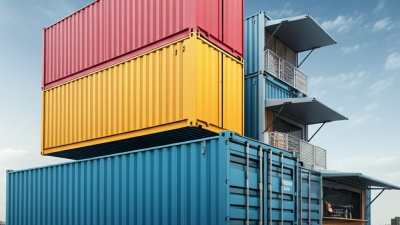
Moreover, the use of construction containers can significantly enhance the overall workflow of building projects. They are often used as mobile workstations on-site, improving accessibility to tools and materials. Their ability to be transported and stacked means they can be integrated into various project types, whether it’s a pop-up retail location, disaster relief structures, or even educational facilities. This multipurpose functionality, combined with the ease of customization, positions construction containers as a valuable asset in modern construction, promoting creative designs while ensuring that projects are completed on time and within budget.
| Benefit | Description | Applicable Project Types |
|---|---|---|
| Versatility | Construction containers can be customized for various uses like offices, storage, and even living spaces. | Residential, Commercial, Industrial |
| Cost-Effectiveness | Using shipping containers can significantly reduce project costs compared to traditional building methods. | All Types |
| Quick Setup | Containers can be rapidly deployed on-site, allowing faster project timelines. | Temporary Sites, Events, Festivals |
| Durability | Made from steel, containers are strong and can withstand harsh weather conditions. | Construction, Disaster Relief |
| Mobility | Containers can be transported easily to different project locations as needed. | Multi-site Projects, Remote Areas |
| Eco-Friendliness | Reusing containers helps reduce waste and promotes sustainability in construction. | Green Building Projects |
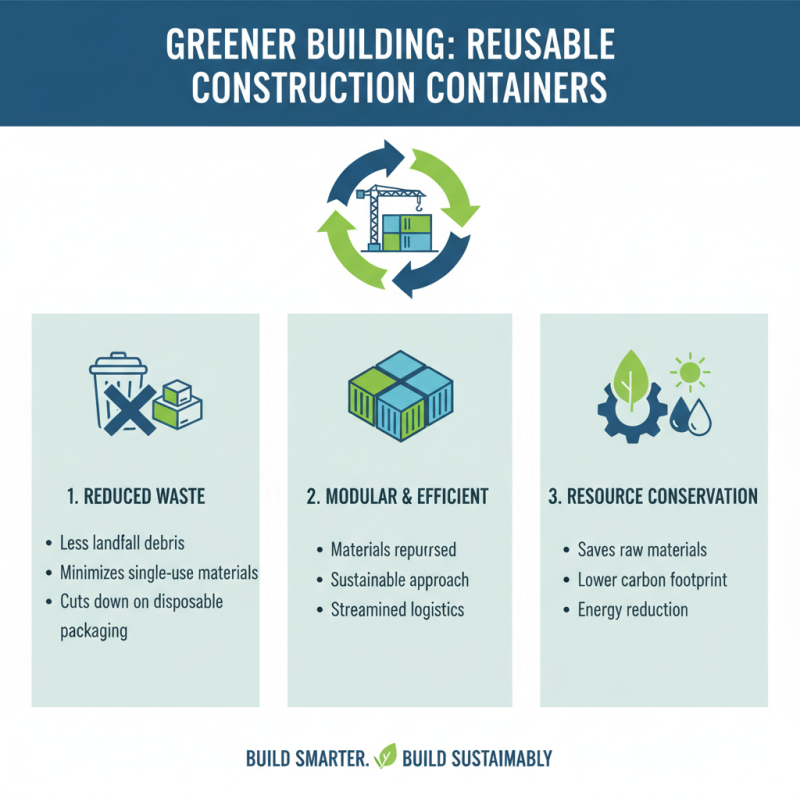
The environmental benefits of using reusable construction containers in building projects cannot be overstated. First and foremost, these containers significantly reduce waste. Traditional construction methods often result in a substantial amount of debris, but using reusable containers minimizes the necessity for single-use materials, thereby curbing landfill contributions. By adopting a modular and sustainable approach, builders can ensure that materials are repurposed and utilized efficiently throughout various phases of a project.
Moreover, reusable construction containers are designed for durability and longevity, which means they withstand the rigors of construction sites while maintaining their structural integrity. This durability translates into less frequent replacements, further decreasing the production demand for new materials. Additionally, the use of these containers helps in lowering the carbon footprint associated with transportation, as fewer trips are needed to deliver materials. Overall, integrating reusable construction containers into building practices exemplifies a commitment to environmental stewardship while also promoting resource efficiency.
The integration of modular construction solutions using construction containers significantly enhances project management efficiency. Construction containers provide a flexible and adaptable framework that enables teams to streamline operations from planning to execution. By utilizing these containers, project managers can efficiently allocate resources, reduce construction timelines, and optimize workflows.
Tips for effective project management with construction containers include maintaining clear communication across all team members. Regular updates on progress and challenges can lead to quicker decision-making and problem-solving. Additionally, utilizing software tools for tracking and collaboration can further enhance transparency and accountability throughout the project life cycle.
Another crucial aspect is the strategic placement of construction containers on-site. Proper positioning facilitates better access for workers and materials, minimizing delays and improving productivity. It's also beneficial to plan for future scalability; as project needs evolve, these containers can be reconfigured or expanded accordingly, allowing teams to adapt swiftly without significant disruptions to the overall building process.