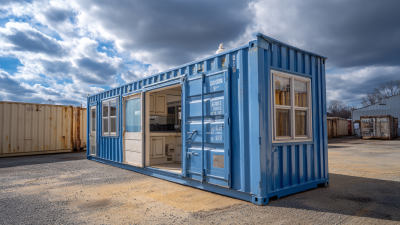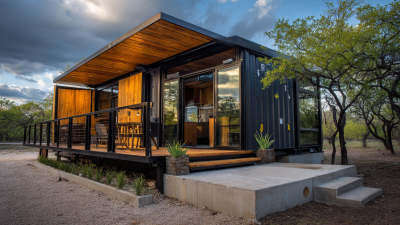
In recent years, the housing industry has witnessed a significant shift towards innovative living solutions, with finished container homes emerging as a popular alternative to traditional housing. According to a report by the International Organization for Migration, the global housing shortage has reached alarming levels, with an estimated 1.6 billion people lacking adequate housing. In this context, finished container homes offer a compelling solution, combining affordability, sustainability, and versatility.
Furthermore, a study conducted by the Container Housing Initiative reveals that utilizing repurposed shipping containers can reduce residential construction costs by up to 50%, making homeownership more accessible to a wider demographic. As urban populations continue to swell, this trend is further supported by a surge in demand for eco-friendly housing options. Finished container homes not only address urgent housing needs but also contribute to environmental sustainability, significantly lowering carbon footprints compared to traditional building methods.
In an era where innovative, efficient, and sustainable building methods are necessary, finished container homes present an attractive and practical option. They cater to modern living demands while promoting resource conservation, making them a pivotal component of the future housing landscape. As we explore the top benefits of finished container homes, it becomes evident why they should be seriously considered for those in search of a forward-thinking housing solution.
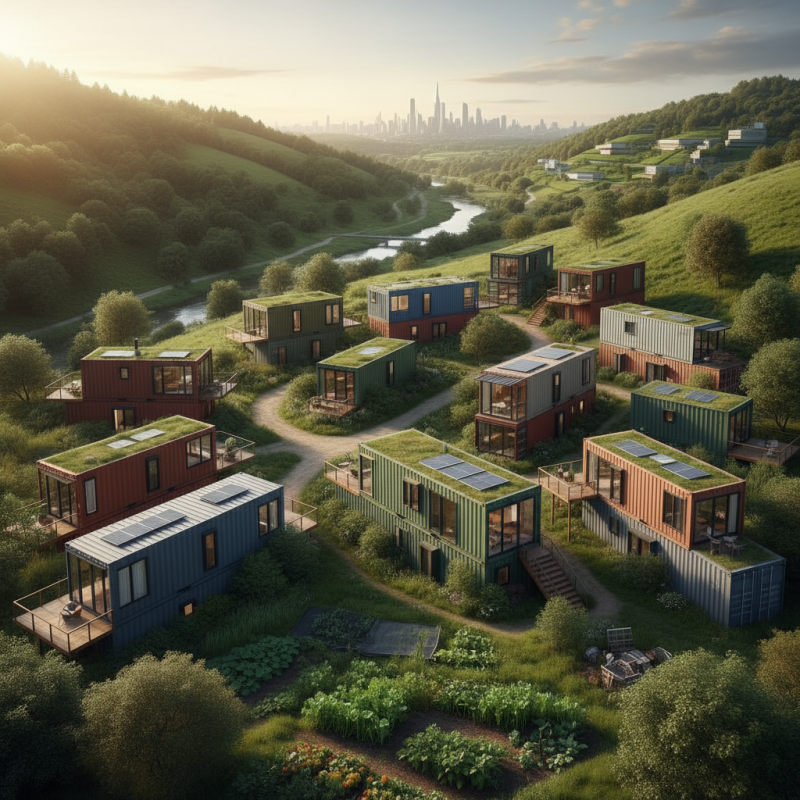
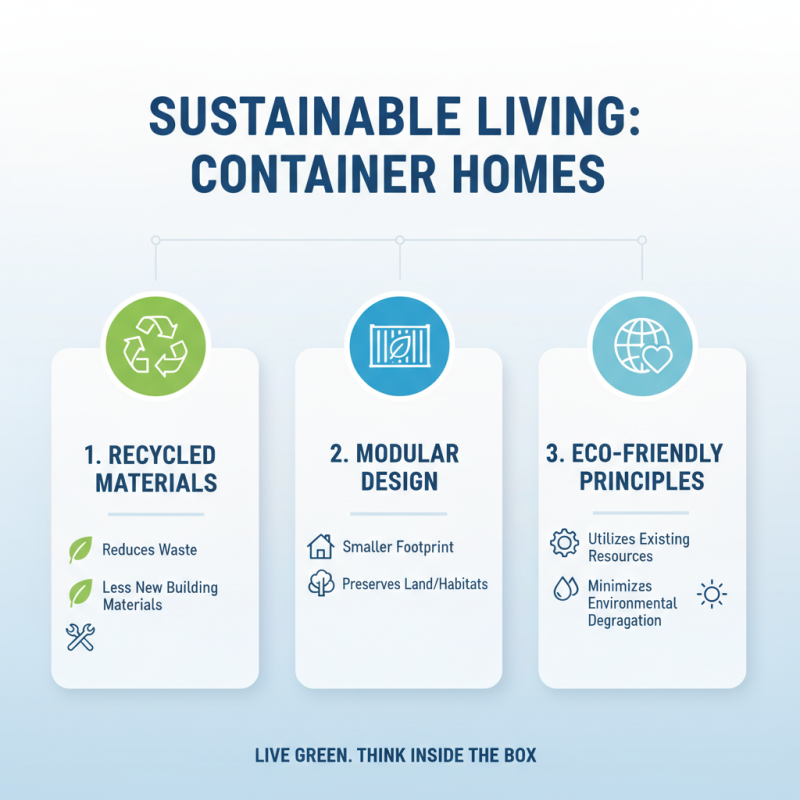
Finished container homes offer a range of advantages that make them an attractive option for sustainable living. Firstly, their construction promotes the recycling of shipping containers, reducing waste and minimizing the demand for new building materials. This aligns with eco-friendly principles, as these homes utilize resources that would otherwise contribute to environmental degradation. Moreover, the modular nature of container homes allows for a smaller building footprint, which conserves land and preserves natural habitats.
In addition to their environmental benefits, finished container homes are designed with energy efficiency in mind. Many are equipped with energy-saving technologies such as solar panels and energy-efficient insulation, further decreasing their carbon footprint. The compact design also encourages minimalistic living, allowing residents to focus on sustainable practices. With the potential for reduced utility costs and a lower overall ecological impact, finished container homes present a viable solution for those looking to embrace a more sustainable lifestyle.
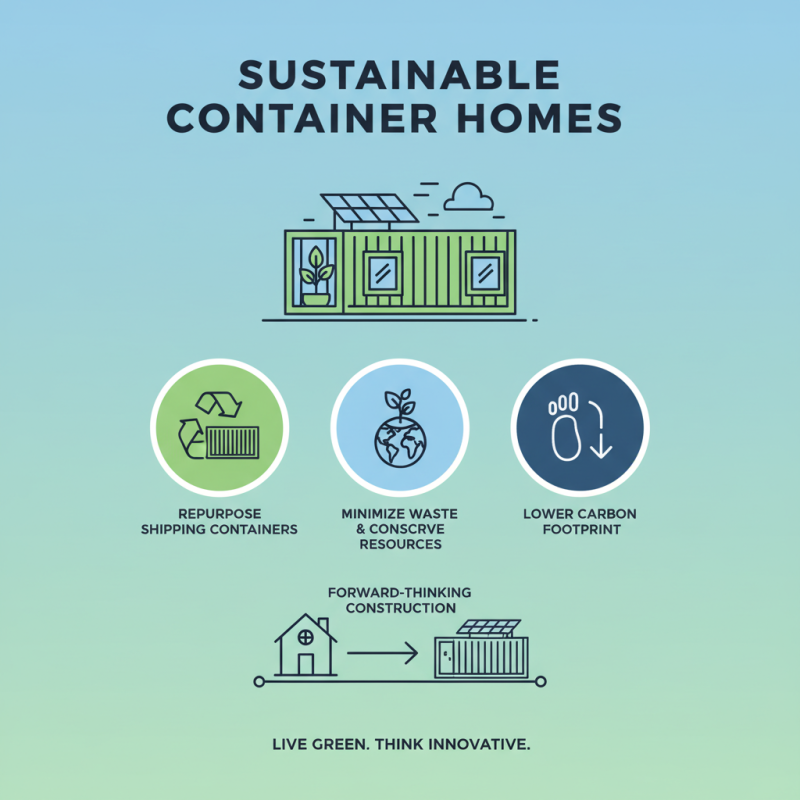
Container homes are gaining popularity not only for their unique aesthetic appeal but also for their remarkable cost efficiency. A study by the American Institute of Architects revealed that constructing a container home can be 30-50% cheaper than traditional homes, primarily due to reduced labor and material costs. Additionally, the modular nature of container homes allows for quicker assembly, saving both time and money. For instance, a standard shipping container costs around $1,500 to $4,500, significantly lower than the price of traditional housing materials.
When considering a container home, keep in mind that energy efficiency can further trim ongoing costs. Many designs incorporate sustainable energy solutions like solar panels and efficient insulation. According to the U.S. Department of Energy, homes that utilize such features can reduce energy costs by up to 50%. Adopting these strategies can create a cost-effective living situation without sacrificing comfort.
**Tip:** Before starting your container home project, research local zoning laws and building codes. Proper planning can prevent potential fines and delays, ultimately contributing to your budgeting success.
This bar chart illustrates the cost distribution of various components associated with finished container homes, showcasing their cost efficiency in construction.
Container homes are gaining popularity for their versatility in design, offering a wide array of customization options that appeal to a diverse range of tastes and needs. According to a report by the Container Housing Association, over 80% of container homeowners opt for customized features, such as open-concept layouts, eco-friendly materials, and unique façade designs. This flexibility not only allows for aesthetic enhancements but also enables homeowners to maximize space efficiently, catering to both functionality and style.
Moreover, container homes can be tailored to fit different climates and environments, which is crucial in today’s housing market. The International Organization for Standardization (ISO) has stated that container structures can be insulated and ventilated to withstand extreme weather conditions, making them a sustainable choice for various locations. With options for solar panel installations and rainwater harvesting systems, customizable container homes can meet the increasing demand for energy-efficient living solutions. This blend of practicality and personal expression makes finished container homes an appealing option for prospective homeowners looking to invest in innovative living spaces.
The growing trend of relocatable container homes offers significant advantages in terms of mobility and portability. According to a report by the Container Housing Association (CHA), over 60% of individuals considering alternative housing options prefer designs that can be easily moved. This flexibility makes container homes an attractive option for those who value a nomadic lifestyle or need temporary housing solutions, such as during construction projects or natural disasters.
Furthermore, a study by the Global Eco Housing Network reveals that relocatable container homes can reduce transportation costs by up to 30% compared to traditional housing structures. The modular design of these homes allows for efficient transport, enabling homeowners to relocate without the extensive logistics typically involved in moving conventional homes. This mobility not only supports personal freedom but also contributes to sustainable living, as homes can be situated in less populated areas without permanent environmental impact. The ability to relocate homes also offers a unique solution to evolving community needs and changing local economies, making container homes a compelling option for a diverse range of individuals.
Container homes represent a forward-thinking approach to sustainable living, significantly reducing the environmental impact of traditional construction methods. By repurposing shipping containers, builders can minimize waste, as these containers are often discarded after their initial use. This repurposing not only conserves resources but also lessens the demand for new building materials, ultimately lowering the carbon footprint associated with home construction.
Moreover, container homes can be designed to be energy-efficient and environmentally friendly. Many incorporate sustainable practices, such as solar panels, green roofs, and advanced insulation techniques. These features reduce energy consumption and promote a lower reliance on fossil fuels. Additionally, their modular nature allows for flexibility in design, enabling homeowners to create spaces that are not only aesthetically pleasing but also ecologically responsible. By considering container homes, individuals can make a positive contribution to environmental sustainability while enjoying a unique living space.